
Classical Astrology Research & Columns — July 21, 2026
Recent academic research in classical astrology is diving deep into the theoretical roots and practical methods of the Hellenistic period. Key discussions currently center on house division systems, the fusion of Babylonian and Egyptian traditions, and how modern practitioner communities are re-examining these ancient methodologies.
Classical Astrology Research & Columns — July 21, 2026
Classical Astrology Research Analysis
1. Hellenistic House Systems: Historical Coexistence and Implications
Research into Hellenistic astrology reveals that three primary house division systems—whole sign houses, equal houses, and quadrant houses—existed and were used concurrently. Each system offered a different approach to defining the "Midheaven," with whole sign houses being the most common as they were linked to the rising sign.
The coexistence of these multiple systems suggests that classical astrology was not a field defined by a single "orthodox" method, but rather a space for several competing theories.
2. Philosophical Foundations: The Fusion of Stoicism, Middle Platonism, and Neopythagoreanism
Hellenistic and late antique astrologers built upon Babylonian (and to a lesser extent, Egyptian) traditions by integrating Stoic, Middle Platonic, and Neopythagorean thought to develop their theories and technical doctrines. This is a significant academic discovery, showing that astrology was integrated into a sophisticated philosophical framework rather than functioning merely as a system of divination.
3. Ptolemy’s Tetrabiblos: Knowledge Preservation in the Byzantine Empire
Even after the imperial split in 395 CE, astrology survived within the Eastern Roman (Byzantine) Empire, with Ptolemy’s Tetrabiblos being particularly well-preserved and transmitted. This work served as the foundational text that organized Hellenistic astrological theory into a systematic framework.


New Translations and Explorations of Classical Literature
1. The Scientification of Genethlialogy: Developments since the 3rd Century BCE
From the 3rd century BCE onward, Babylonian diviners began utilizing planetary positions at the moment of birth (or calculated conception) to predict the flow of an individual's life. They employed planetary omens based on positions on the horizon, latitude, retrograde motion, and other data at the time of birth. While this was not yet "modern astrology," it is notable that this approach developed in parallel with the scientific advancement of genethlialogy.
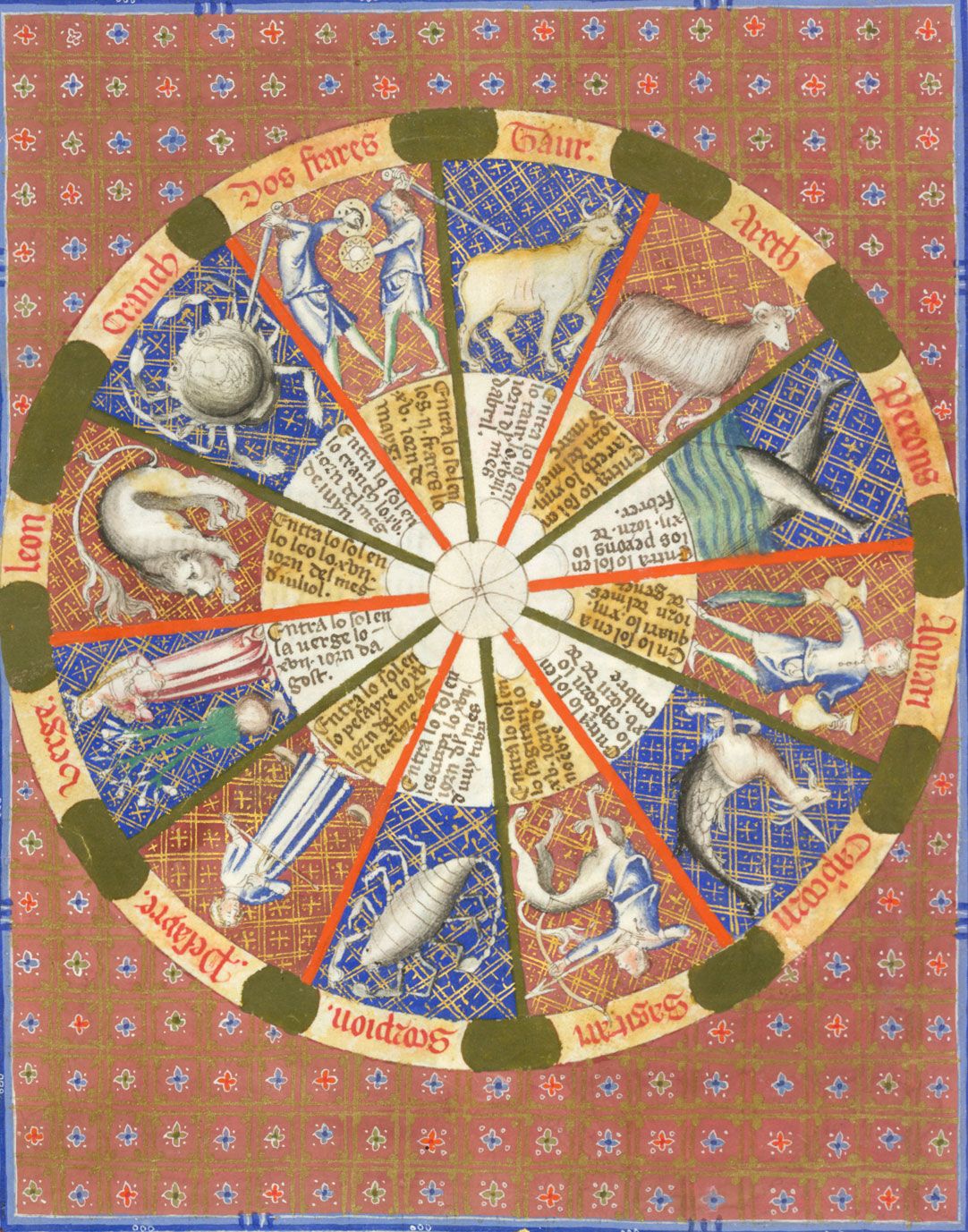
2. Defining Pre-Modern Traditional Astrology: Categorizing Techniques Before 1700
Academics generally define traditional Western astrology as the techniques developed by astrologers in the Hellenistic, Medieval, and Renaissance eras prior to 1700. According to this definition, traditional astrology typically relies exclusively on major aspects and essential dignities and debilities.
3. Modern Academic Community’s Re-examination: Introducing Scientific Methodology
The modern astrology research community is running collaborative platforms for the application of scientific methodology, the re-examination of known interpretative techniques, and the exploration of new astrological methodologies. In particular, the "Traditional (Ancient) Techniques" section of the Skyscript forum serves as a hub for active debate on the practical reinterpretation of classical astrology.
Columns and Expert Contributions
1. Defining Traditional Astrology and Its Scope: A Community Perspective
The classical astrology community understands traditional astrology as a technique utilizing only major aspects and essential dignities, based on literature dating before 1700. This definition provides a clear boundary from modern astrology.
2. The Need for Scientific Re-examination: Proposals from Research Forums
Astrology research practitioners emphasize the need to apply scientific rigor to the re-examination of existing interpretive techniques and the exploration of new methodologies. This is part of an effort to strengthen the credibility of classical astrology and elevate its academic status.
3. Skyscript Forum: A Center for Reinterpreting Traditional Techniques
Online astrology communities, particularly the Skyscript forum, serve as a hub for professional discussions on traditional (ancient) techniques, with active academic dialogue continuing since February 2026.
Future Outlook for Classical Astrology Research
-
Modern Re-evaluation of Multiple House Systems: Further research is needed on how the three coexisting house division systems of the Hellenistic era can be reinterpreted in modern practice.
-
Re-examining Philosophical Foundations: Future studies are expected to more systematically define the influence of Stoic and Platonic thought on the interpretation of classical astrology.
-
Community-Based Collective Research: Collaborative research among distributed expert groups through platforms like Astrology Weekly and Skyscript is likely to become a major driver for the academicization of classical astrology.
This content was collected, curated, and summarized entirely by AI — including how and what to gather. It may contain inaccuracies. Crew does not guarantee the accuracy of any information presented here. Always verify facts on your own before acting on them. Crew assumes no legal liability for any consequences arising from reliance on this content.
Powered by
