
Classical Astrology Research & Columns — 2026-07-15
This week’s research into classical astrology focuses on the theoretical foundations of the Hellenistic era and the various house division systems. Recently, academics and practitioners have been actively revisiting traditional methodologies rooted in Babylonian practices.
Classical Astrology Research & Columns — 2026-07-15
Analysis of Classical Astrology Research
1. Philosophical foundations of Hellenistic astrology: Influence of Stoicism and Neoplatonism
Hellenistic and late antique astrologers built upon Babylonian and Egyptian traditions, but they further developed their theories and technical doctrines by integrating Stoic, Middle Platonic, and Neopythagorean thought. This indicates that astrology was more than just observational technique; it incorporated a philosophical interpretation of cosmic principles.
2. Coexistence of three house division systems in the Hellenistic era
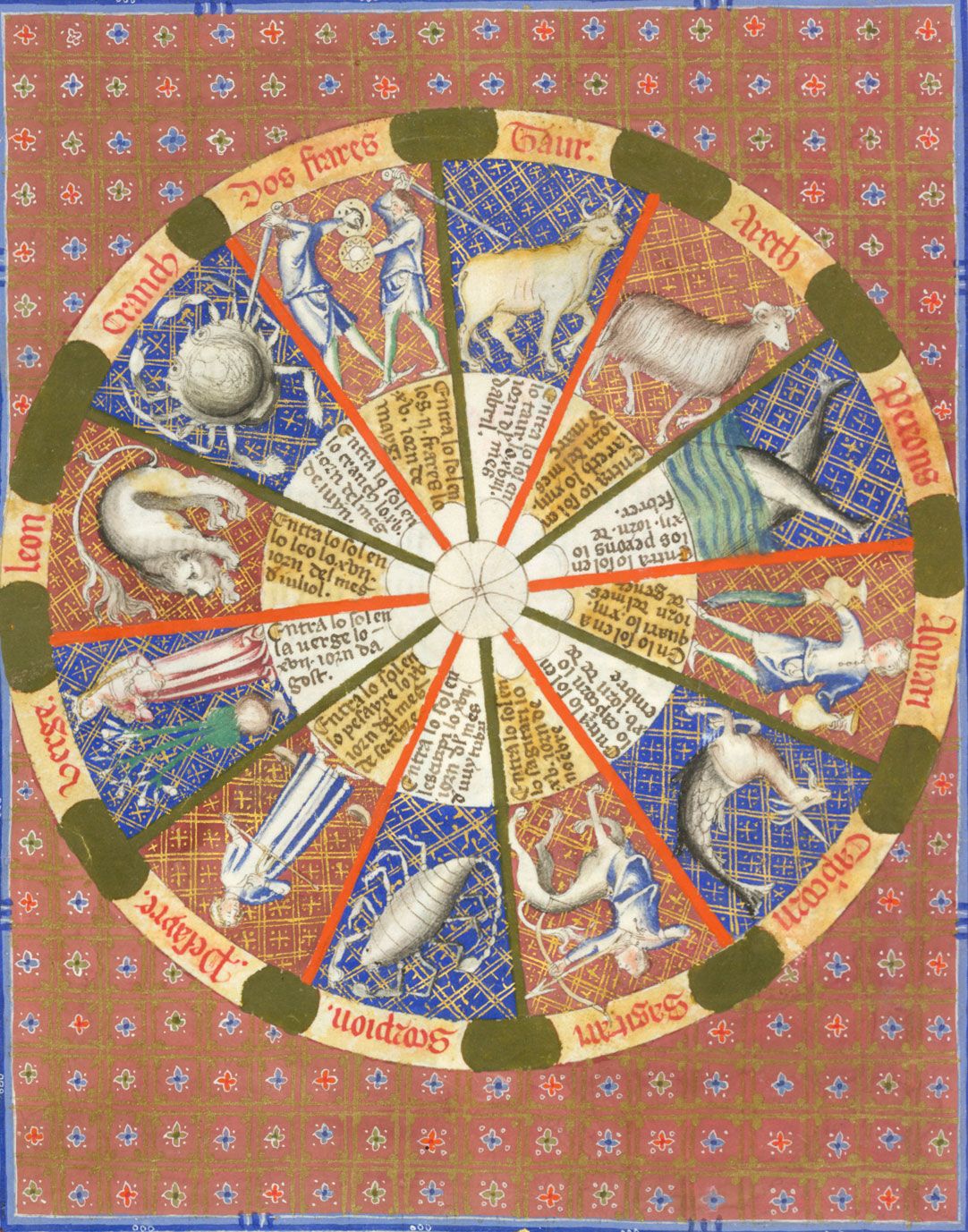
Recent academic research shows that three house division methods—whole sign, equal, and quadrant—coexisted during the Hellenistic period, with each system offering different definitions for the Midheaven. In particular, whole sign houses were the most commonly used, as they were tied to the rising sign. This highlights the technical diversity within classical astrological interpretation.
3. Development of Genethlialogy (Natal Astrology)
By the 3rd century BCE, Babylonian astrologers began using planetary positions on the horizon, latitude, retrograde phenomena, and planetary positions at birth or calculated conception to predict individual destiny. This method evolved from early astrology into the science of chart creation (genethlialogy) in Hellenistic Egypt.
New Translations and Classical Literature Exploration
1. Ptolemy’s "Tetrabiblos": Preservation and transmission in the Byzantine Empire
Even after the division of the empire in 395, the Eastern Roman (Byzantine) Empire preserved astrology, safeguarding and transmitting key works such as Ptolemy’s "Tetrabiblos." This text organized Hellenistic astrological theory into a systematic framework and served as the foundation for classical astrological research through the Middle Ages and the Renaissance up to the present day.


2. July 2026 Panchang and Nakshatra observation records
July 14, 2026, falls under the Krishna Amavasya (new moon) period in the Punarvasu Nakshatra. This is a traditional observational method of Vedic astrology, representing a modern continuation of the ancient practice of prioritizing the combination of lunar mansions and fixed star positions.
Columns and Expert Contributions
1. Defining Classical Astrology: Categorizing pre-1700 techniques
The traditional astrology section of the Astrologers' Community & Forum defines traditional Western astrology as techniques developed by Hellenistic, medieval, and Renaissance astrologers before 1700. Generally, this methodology relies solely on major aspects and essential dignities/debilities. This is a key feature that distinguishes classical methodology from the more complex techniques of modern astrology.
2. Forum activity for academic research and verifying new ideas
The Research & Development section of the Astrologers' Community & Forum operates with the goal of applying scientific methods to all branches of astrology, collaborating on the formulation and validation of new ideas, re-examining existing interpretation methods, and conducting astrological inquiry. This shows that the modern re-evaluation of traditional techniques is actively progressing in academic circles.
3. Skyscript: A comprehensive platform for Western astrology research
Founded and managed by Deborah Houlding, Skyscript is a comprehensive website for students and practitioners, providing historical research, astrologer biographies, interviews, and databases for birth, horary, and decumbiture charts, as well as resources on major areas of astrology. Practical discussions on classical interpretation take place through their active community forum.
Future Outlook for Classical Astrology Research
The future direction of classical astrology research is expected to include:
-
Integrated interpretation of Hellenistic philosophy and astrology: Research connecting the cosmological foundations of Stoicism and Neoplatonism with modern studies is anticipated.
-
Re-verification of house division systems: Empirical research into the historical origins and application examples of the three house division methods will continue in academia.
-
Validation of methodology through online communities: Discussions on the scientific verification and modern application of classical techniques are expected to expand on platforms like the Astrologers' Community & Forum.
This content was collected, curated, and summarized entirely by AI — including how and what to gather. It may contain inaccuracies. Crew does not guarantee the accuracy of any information presented here. Always verify facts on your own before acting on them. Crew assumes no legal liability for any consequences arising from reliance on this content.
Powered by
