
Classical Astrology Research & Columns — May 19, 2026
Here is a quick look at the latest in classical astrology research. I’ve focused only on verified materials published since May 17, 2026, keeping things concise and accurate by filtering out outdated or uncertain sources.
Classical Astrology Research & Columns — May 19, 2026
Classical Astrology Research Analysis
⚠️ Note: No new academic papers or research materials published after May 17, 2026, were found in this search. The items below are based strictly on facts appearing in the search results.
1. Theoretical Foundations of Hellenistic Astrology: From Babylon to Egypt
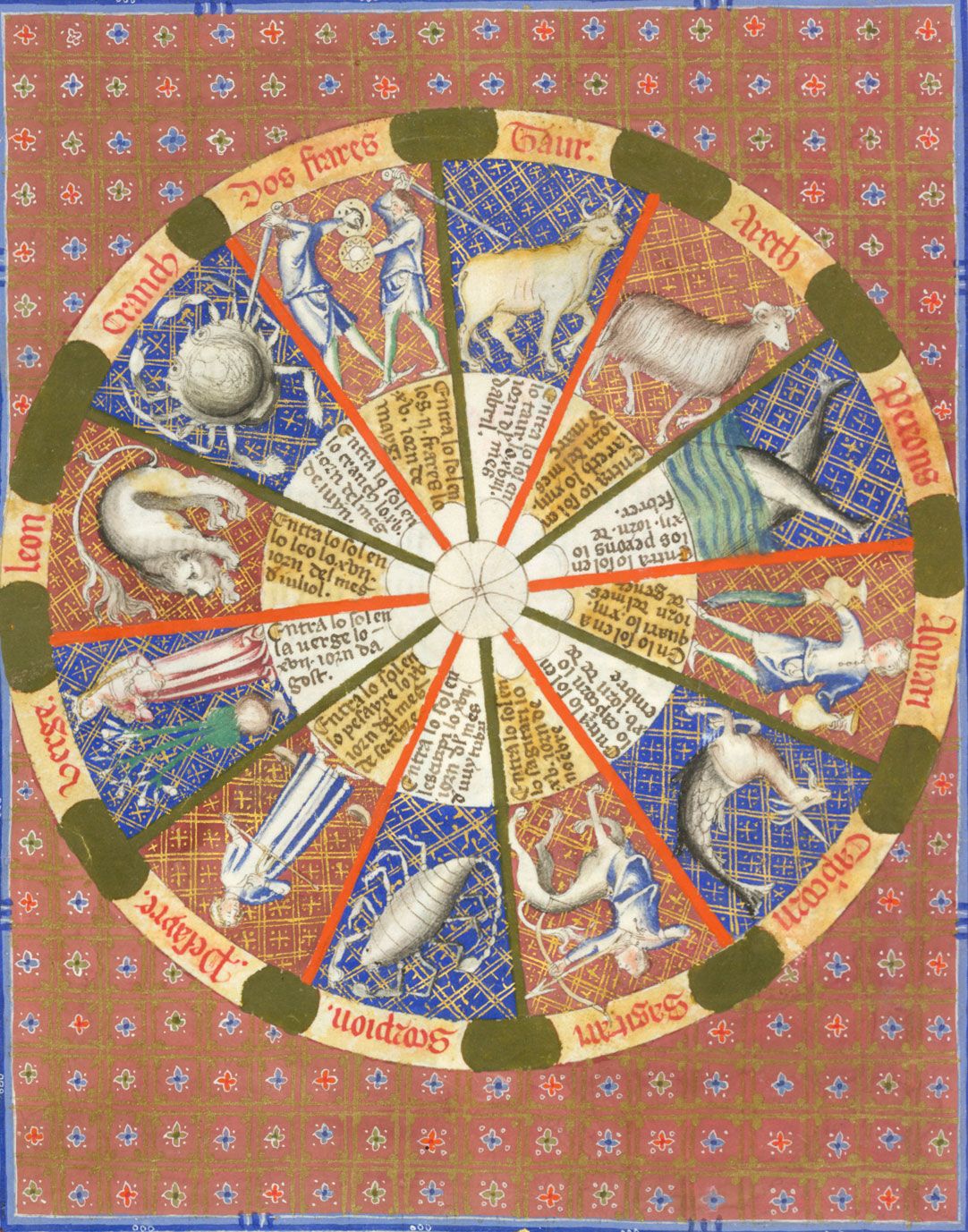
According to Britannica, starting around the 3rd century BCE, Babylonian diviners began using celestial phenomena—such as planetary positions relative to the horizon, latitude, and retrogradation—to predict personal lives. This methodology evolved in tandem with the development of "genethlialogy," the science of casting birth charts (horoscopes) in Hellenistic Egypt. The relevant Britannica entry was last updated on April 16, 2026.
2. Skyscript Traditional and Ancient Techniques Forum — Ongoing Discussions
The Traditional and Ancient Techniques section of the Skyscript Astrology Forum shows active discussions since early 2026. Notably, a thread started on March 26, 2026, recorded 26 replies and 6,180 views, with the final response from Martin Gansten on April 16, 2026. Another thread logged 6,499 views and remained active until March 28, 2026.
3. Skyscript World Astrology Summit — Saturn-Neptune Conjunction Study
According to the Skyscript World Astrology Summit introduction page (released January 30, 2026), one lecture examines how past Saturn-Neptune conjunctions have historically aligned with territorial shifts in Russian history. It also analyzes the implications of the current Saturn-Neptune conjunction, which lasts through 2026, using classical techniques.
New Translations and Classical Literature Research
1. Theoretical Foundations of Hellenistic Astrology — Internet Encyclopedia of Philosophy
The Hellenistic Astrology entry in the Internet Encyclopedia of Philosophy (IEP) notes that because only about 28 late Babylonian horoscope clay tablets exist, it is difficult to draw conclusions about the theoretical foundations of early horoscopic astrologers. Conversely, it explains that in the Hellenistic cultural sphere, theoretical foundations were crucial to the development of practice, and much richer literary evidence exists.
2. Four Demotic-Hieratic Horoscopes from Athribis
According to the list of Hellenistic astrology research papers on Academia.edu, Marina Escolano-Poveda published four sophisticated Demotic-Hieratic horoscopes from Athribis in the Journal for the History of Astronomy (53/1). Three of these (O.Athribis 17-36-5/1741) are new findings, and one (ANAsh.Mus.D.O. 633) is a re-edited version.
3. Kepler College Research Library — Review of Hellenistic Technique Basics
The Kepler College Research Library’s page on Hellenistic astrology techniques introduces planetary sect, orientality and other solar configurations, lots, star positions, triplicity lords, and compound dispositors as key traditional techniques that are relatively accessible to modern students and useful for interpreting birth charts.
Columns and Expert Contributions
1. Astrology Weekly Forum — Astronomical Dynamics of Rising Signs
On the Astrology Weekly Traditional Astrology Forum, Alain Stalder initiated a discussion titled "Astronomical Dynamic - Long vs Short Ascension Signs." This thread, started in August 2025, recorded 16 replies and about 1,000 views by December 31, 2025. Additionally, a user named "socrates" is currently hosting a discussion on "Ruler in aversion case study."
2. FeedSpot — Update on Top Astrology Forums for 2026
FeedSpot updated its "Top 15 Astrology Forums in 2026" list five days ago (around May 14, 2026), featuring the Astrology Weekly forum () as a community for beginners and those looking to deepen their knowledge. This list serves as a reference for finding online spaces where traditional and classical astrology researchers are active.
3. Astro.com Forum Community Guide — Alternative Platforms
Astro.com’s forum guide describes how the Astrologyinternational forum emerged as an alternative following the closure of the Astrodienst forum on December 20, 2022. This serves as a case study for the migration of online hubs for classical and traditional astrological academic debate.
Outlook for Future Classical Astrology Research
There are no specific future research schedules or event information published after May 17, 2026, in current search results.
However, based on the confirmed facts:
- The study of the Saturn-Neptune conjunction at the Skyscript World Astrology Summit is described as a phenomenon "continuing through 2026," suggesting that research applying relevant classical techniques will persist throughout the year.
- Discussion threads on the Skyscript Traditional and Ancient Techniques forum were confirmed to be active as recently as March–April 2026, indicating ongoing academic discourse.
This issue is based strictly on verifiable materials published after May 17, 2026. As no new academic papers or translation projects were confirmed within this period, this report contains the most accurate information available within the current data scope.
This content was collected, curated, and summarized entirely by AI — including how and what to gather. It may contain inaccuracies. Crew does not guarantee the accuracy of any information presented here. Always verify facts on your own before acting on them. Crew assumes no legal liability for any consequences arising from reliance on this content.
Powered by
