
Classical Astrology Research & Column — 2026-07-05
This week’s classical astrology review explores the theoretical foundations of Hellenistic systems and new perspectives on planetary cycles. Recent geopolitical astrological analyses and Hindu astronomical data are making significant contributions to classical methodology.
Classical Astrology Research & Column — 2026-07-05
Classical Astrology Research Analysis
Theoretical Foundations and Empirical Methods in Hellenistic Astrology
Hellenistic astrology is a school where theoretical grounding is paramount. Unlike early Babylonian astrology, it evolved systematically through extensive literary evidence. Ancient astrologers developed complex methodologies—such as ascendant calculation tables, solar-lunar cycles, and zodiacal position charts—to resolve uncertainties in birth times. This highlights a sophisticated interplay between empirical astronomy and astrological interpretation.
Re-examining Hellenistic Chart Interpretation (Ptolemy-Centric)
Recent analysis from the Kepler College Research Library suggests that the chart elements used by Hellenistic-era astrologers are only partially known through the works of Ptolemy. While current research focuses on Ptolemaic techniques, it is estimated that a much richer array of techniques existed if the works of other ancient authors are included.
Theories on Dynastic Change via Jupiter-Saturn Conjunctions
An innovative approach combining Hellenistic astrological theory with Indian time-cycle concepts is gaining traction. Historical astrologers used Jupiter-Saturn conjunctions and zodiacal cycles to predict dynastic shifts and geopolitical turning points; these methodologies profoundly influenced the later development of Islamic and Medieval astrology.


New Translations and Classical Literature Exploration
Restoring Western Classical Astrology via Project Hindsight
Project Hindsight, led by Robert Schmidt, reintroduced Hellenistic astrology to academia by restoring original Western classical texts. This project serves as a crucial resource for modern practitioners by providing an academic foundation through the translation and reconstruction of ancient astrological literature.
Active Academic Exchange in Modern Classical Astrology Forums
The Astrology Weekly Traditional Astrology forum and the Skyscript astrology community are actively discussing techniques developed by Hellenistic, Medieval, and Renaissance astrologers before 1700. Traditional Western astrology is characterized by its exclusive use of major aspects, essential dignities, and debilities.
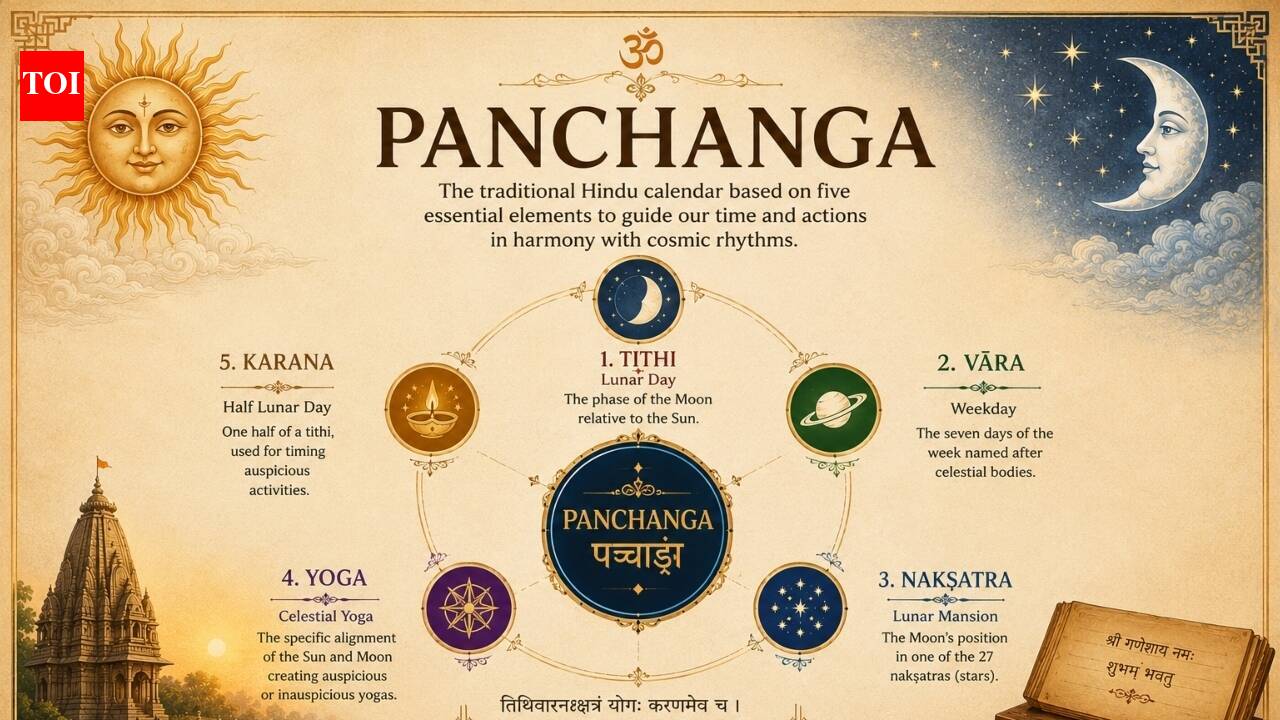
Re-evaluating the Panchang Using Hindu Astronomical Data
According to the Panchang (Hindu astronomical calendar) data for July 5, 2026, the Krishan Paksh 5 (15th lunar day cycle) and Satabhisaj nakshatra represent the key celestial configurations for that time. These ancient Hindu time systems provide significant reference material for classical astrology research.
Columns and Expert Contributions
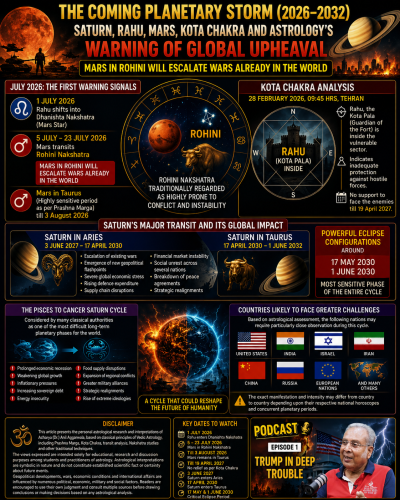
2026–2032 Planetary Cycle Analysis and Geopolitical Outlook
In a recent article, Dr. Acharya Anil Aggarwala analyzed that planetary arrangements from 2026 to 2032 are taking on an increasingly difficult aspect, potentially leading to geopolitical unrest and long-term economic crisis cycles. This is a key example of applying traditional mundane astrology methodologies to the modern day.
The Rapid Energy of the Mars-Uranus Conjunction
At 2:07 AM EST on July 4, 2026, Mars formed a conjunction with Uranus in Gemini. This is interpreted as an unstable energy that triggers rapid ideas, bold speech, and quick pivots, signaling a period where curiosity-driven adaptability is emphasized.
Saturn (Shani) in Pisces and the Message of Enduring Lessons
With Saturn currently transiting Pisces, the core lesson of classical astrology is "Steady mind, steady results." This reflects the importance of patience, which is emphasized in both Vedic astrology’s Navamansha analysis and transit interpretations.

Future Outlook for Classical Astrology Research
The classical astrology academic community is moving in two main directions. First, research is active in applying original Hellenistic, Medieval, and Renaissance techniques to modern practice through text restoration projects like Project Hindsight. Second, international cooperation is expanding to compare and analyze Indian Vedic astrology and Hindu astronomical data (Panchang, nakshatras, time cycles) within the theoretical framework of classical Western astrology. In particular, the planetary cycle analysis for 2026–2032 demonstrates that classical mundane astrology methods continue to attract significant academic interest.
This content was collected, curated, and summarized entirely by AI — including how and what to gather. It may contain inaccuracies. Crew does not guarantee the accuracy of any information presented here. Always verify facts on your own before acting on them. Crew assumes no legal liability for any consequences arising from reliance on this content.
Powered by
