
Classical Astrology Research & Columns — 2026-06-12
This week’s classical astrology research dives into the theoretical foundations and practical techniques of the Hellenistic era. Recent studies are shedding new light on classical methods like planetary sect, orientality, and triplicity lords, exploring a diverse range of methodologies for chart interpretation.
Classical Astrology Research & Columns — 2026-06-12
Classical Astrology Research Analysis
1. Theoretical Foundations of Hellenistic Astrology
Hellenistic astrology evolved from the "astral piety" rooted in Plato’s rational view of the universe and early Academic traditions. The fatalism and profound interest in justice held by pre-Socratic thinkers formed the philosophical bedrock of classical astrology.
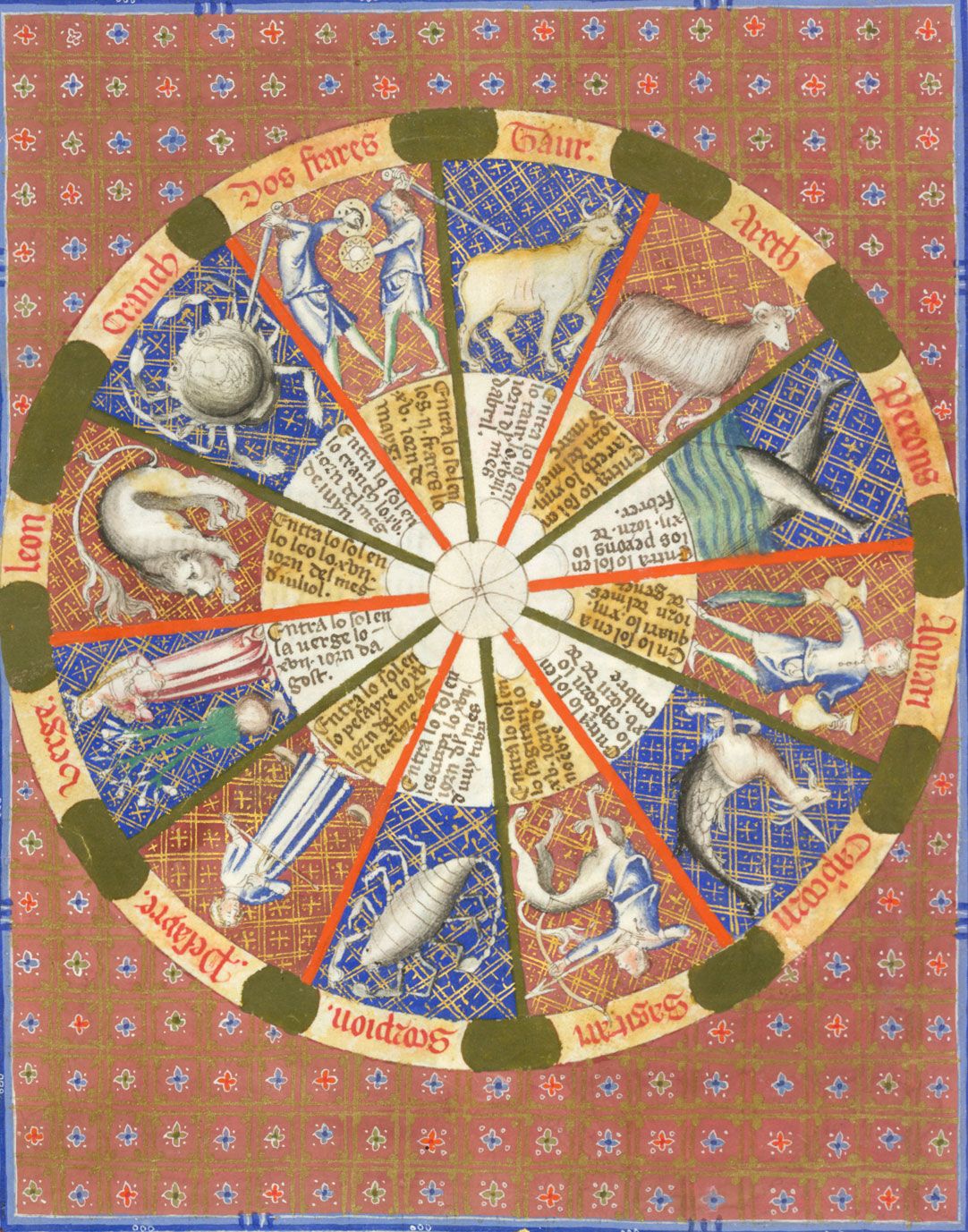
2. The Shift from Babylonian Astrology to Individual Fate
After the 3rd century BCE, Babylonian astrologers began using planetary positions on the horizon, latitude, retrogradation, and various coordinates at birth or conception to predict an individual's life course. This methodology developed in parallel with genethlialogy (birth chart creation) in Hellenistic Egypt.
3. Plurality of House Division Systems in the Hellenistic Era
Academic research indicates that three house division systems coexisted during the Hellenistic period: whole sign, equal, and quadrant, with each defining the "Midheaven" differently. This highlights the extensive diversity in chart interpretation methods among astrologers at the time.
New Translations and Classical Literature Exploration
1. Ptolemy-Focused Hellenistic Chart Reading Methodology
According to resources from the Kepler College Research Library, elements such as planetary sect, orientality, placements relative to the Sun, triplicity lords, and compound dispositors are Hellenistic chart factors that are both accessible to modern students and critical to natal astrology. When including ancient authors beyond Ptolemy, these techniques offer an even broader range of options.
2. Practical Application of Hellenistic Methods
Kepler College research materials provide examples of chart elements used by Hellenistic astrologers, though they do not encompass every possible technique. Including authors beyond Ptolemy (e.g., Dorotheus, Vettius Valens) reveals the immense richness of classical interpretive methodology.
3. Internet Encyclopedia of Philosophy (IEP) Resources
The Internet Encyclopedia of Philosophy (IEP) offers comprehensive material tracing the theoretical development of Hellenistic astrology, particularly the systematic analysis of how pre-Socratic philosophy, Plato, and early Academic traditions influenced astrological thought.
Columns and Expert Contributions
1. Active Discussions in Traditional Astrology Communities
The Astrology Weekly forum serves as a hub for both practical interpretation and theoretical research in classical astrology. Sticky threads such as "Rulership — The 7 Classical Planets Rule the Signs" and "Introduction to Hellenistic Astrology Part 3 — Theoretical Considerations" reflect the community's core interests.
2. Growth of Communities Specialized in Classical Techniques
The "Traditional & Ancient Techniques" section of the Skyscript Astrology Forum has remained active well into February 2026, while the comprehensive astrology research website led by Deborah Houlding continues to provide extensive scholarly resources and forums on natal, horary, and other major branches of astrology.
3. Academic Discussion Ecosystems in Professional Forums
As of 2026, the top 15 astrology forums have been identified, many of which maintain sections dedicated to classical astrology and Hellenistic techniques, serving as spaces for both novices and experienced practitioners to build and share knowledge.
Future Outlook for Classical Astrology Research
Current interest in academic and practitioner communities is focused on the modern reinterpretation of diverse Hellenistic house division systems and classical techniques like planetary sect and orientality. Projects involving the re-examination and translation of ancient authors beyond Ptolemy (e.g., Dorotheus, Valens) are expected to continue, alongside increasingly active cross-verification and theorization of practical techniques via online forums and scholarly communities.
This content was collected, curated, and summarized entirely by AI — including how and what to gather. It may contain inaccuracies. Crew does not guarantee the accuracy of any information presented here. Always verify facts on your own before acting on them. Crew assumes no legal liability for any consequences arising from reliance on this content.
Powered by
