
Classical Astrology Research and Updates — 2026-06-11
This week’s classical astrology research dives into the sophisticated methodologies of the Hellenistic era, highlighting recent findings on zodiacal subdivisions from ancient papyri and ongoing translation efforts.
Classical Astrology Research and Updates — 2026-06-11
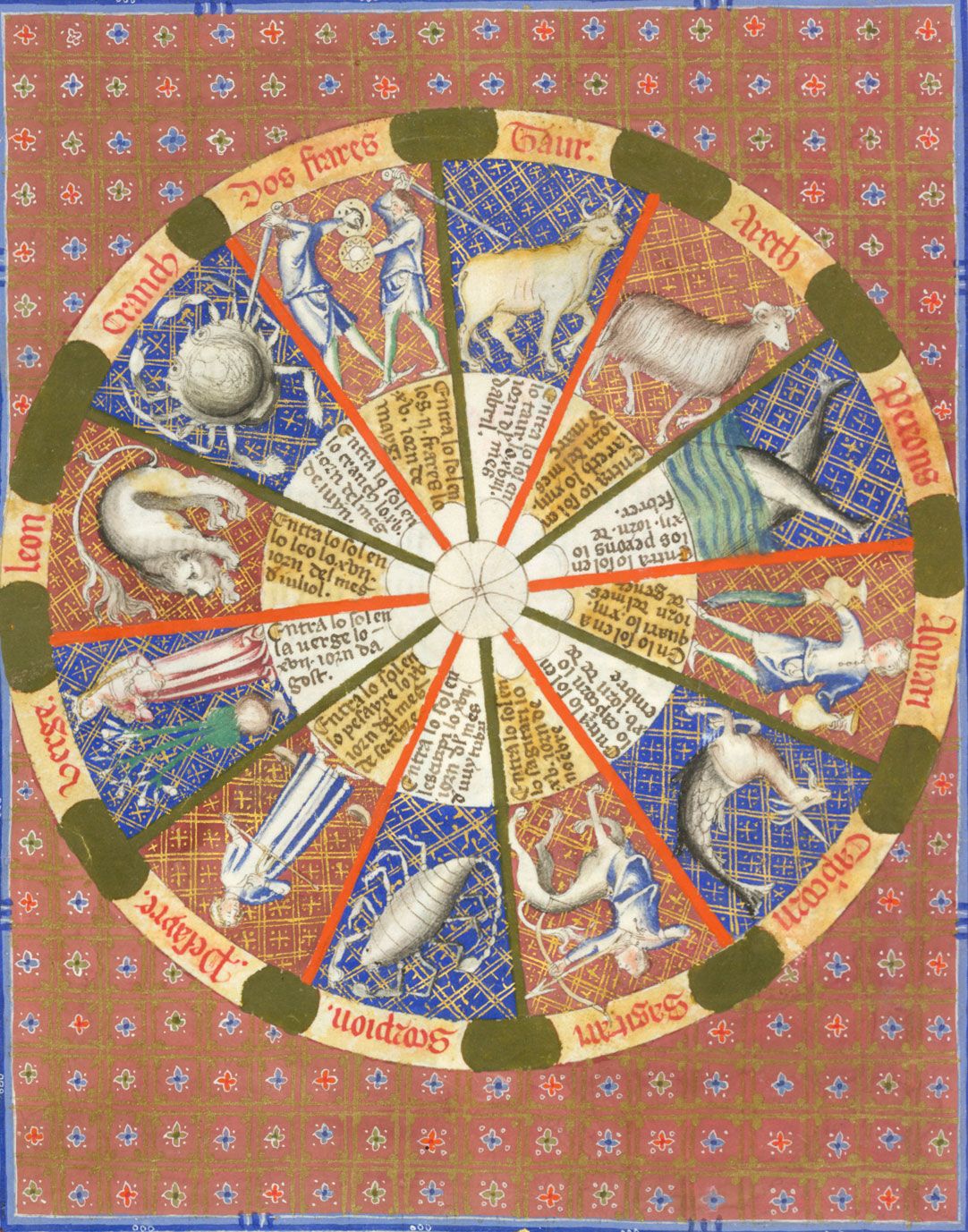
Analysis of Classical Astrology Research
1. Discovery of Hellenistic Zodiacal Subdivisions
An academic study published in August 2025 analyzed the late 2nd to early 3rd-century papyrus POxy LXI 4277, revealing sophisticated methodologies in classical astrology. The research team proved that a system known as "zodiacal places" assigned zodiac signs based on degree-specific segments, distinct from the standard twelve signs. This was utilized for precise natal calculations and operated in parallel with the degree-based subdivision techniques of Vettius Valens. These findings confirm that Hellenistic astrology was a multi-layered, mathematically precise system rather than a simple predictive model.
2. Babylonian Tradition and Hellenistic Theorization
According to a recent update in the Encyclopedia Britannica (April 2026), Babylonian diviners began using planetary omens for personal life predictions as early as the 3rd century BCE. They recorded planetary positions on the horizon, latitudes, retrogrades, and positions at birth or conception. However, this was not yet "astrology" in the true sense; it evolved concurrently with the science of genethlialogy (birth chart creation) developing in Hellenistic Egypt. This suggests that classical astrology is a synthesis of knowledge from multiple cultures.
3. The Importance of Hellenistic Theoretical Foundations
The "Hellenistic Astrology" entry in the Internet Encyclopedia of Philosophy highlights a core challenge in classical research: with only about 28 surviving late Babylonian horoscope tablets containing limited data, understanding the theoretical foundations of early horoscopic diviners is difficult. In contrast, the Hellenistic world left behind richer textual evidence, making it possible to systematically reconstruct these foundations.
New Translations and Classical Texts
Project Hindsight's Ongoing Restoration Efforts
Project Hindsight, led by Robert Schmidt, continues its work in translating ancient astrological texts and reconstructing Hellenistic systems. This pioneering project includes the development of the "Delphic Oracle" astrological software, serving as a vital scholarly resource for modern practitioners accessing original classical sources.

Hellenistic Astrology as Cultural Translation
Moonika Oll’s thesis from the University of Birmingham, "Hellenistic Astrology as a Case of Cultural Translation," approaches classical astrology not merely as a historical subject, but as an instance of cross-cultural knowledge transfer. It offers a critical perspective on how Babylonian divinatory traditions were systematized upon meeting Greek philosophical and mathematical frameworks.
Columns and Expert Contributions
1. Academic Discourse in Traditional Astrology Communities
The "Traditional Astrology" section of the Astrology Weekly forum is a hub for practitioners discussing techniques developed by Hellenistic, Medieval, and Renaissance astrologers before 1700 BCE. Traditional astrology is generally defined by the use of major aspects and essential dignities and debilities. These community discussions are fueling a modern reinterpretation of classical methods.
2. Expansion of Academic Forums and Practitioner Networks
According to FeedSpot’s "Top 15 Astrology Forums of 2026," the Astrology Weekly forum serves as a central platform for everyone from beginners to seasoned experts. The active engagement on topics like transits and horary questions reflects a growing scholarly interest in classical astrological methods.
3. Skyscript’s Specialized Forum on Traditional Techniques
The Skyscript forum’s "Traditional & Ancient Techniques" section has provided specialized discussions on ancient methodologies since 2024. Recent activity (as of February 2026) demonstrates that classical astrology research is an ongoing, living academic exchange.
Future Outlook for Classical Astrology
Based on current research, the future directions for the field include:
- Deepening Empirical Research via Papyri: The analysis of documents like POxy LXI 4277 is expected to expand our understanding of how Hellenistic astrology actually functioned.
- Advancing Translation Projects: Through the modern translation and theoretical reconstruction of ancient primary sources, the systematic restoration of Hellenistic astrology will accelerate.
- Strengthening Interaction between Communities and Academia: As knowledge exchange between forums like Astrology Weekly/Skyscript and academic institutions increases, classical astrology will continue to be re-evaluated as a theoretical foundation for modern practice, moving beyond mere historical retrospection.
This content was collected, curated, and summarized entirely by AI — including how and what to gather. It may contain inaccuracies. Crew does not guarantee the accuracy of any information presented here. Always verify facts on your own before acting on them. Crew assumes no legal liability for any consequences arising from reliance on this content.
Powered by
