
Studies in Classical Astrology and Columns — July 12, 2026
This week’s look at classical astrology covers the historical roots of Hellenistic traditions, the contributions of the Persian school, and modern methodology. Recent academic research dives into how ancient theories were culturally translated and applied in practical chart analysis.
Studies in Classical Astrology and Columns — July 12, 2026
Research Analysis on Classical Astrology
Philosophical Foundations of Hellenistic Astrology and the Role of Antiochus
According to the Internet Encyclopedia of Philosophy, the contribution of Antiochus to the development of Hellenistic astrology lies in his break from the skepticism of the New Academy. Antiochus enabled Middle Platonists to assert more theological and speculative views on the soul and the universe, which served as a precursor to Neoplatonic theory.
The Shift from Babylonian Astrology to Natal Chart Astrology
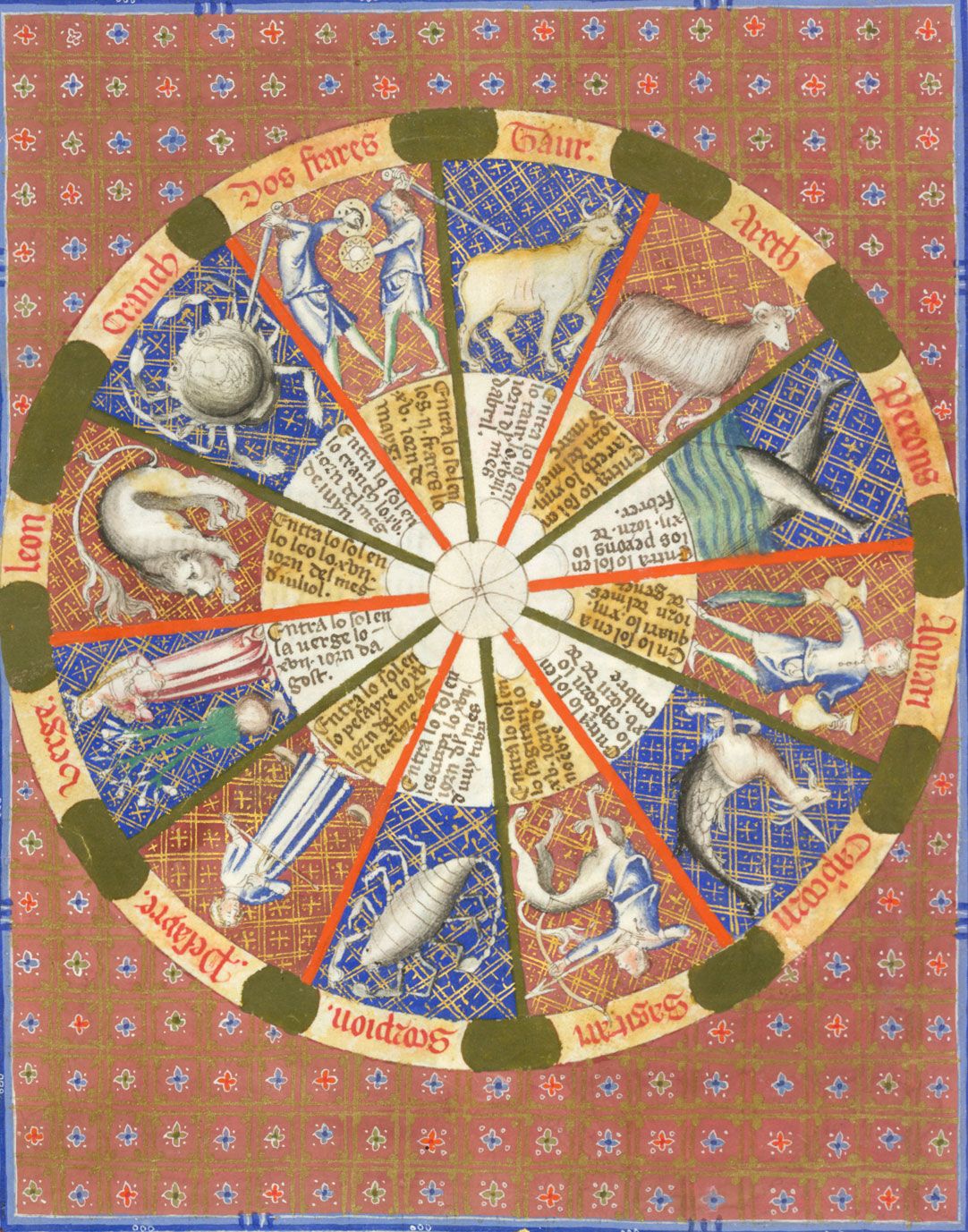
As analyzed by the Encyclopaedia Britannica, by the 3rd century BCE, Babylonian diviners began using planetary omens to forecast individual life paths. This process incorporated positions on the horizon, latitude, retrograde motion, and positions at birth or conception. While not yet a fully realized system of astrology, this approach evolved concurrently with the development of genethlialogy (natal chart astrology) in Hellenistic Egypt.
The Persian School’s Development of Mundane Astrology and Jupiter-Saturn Cycles
According to Empires of the Stars: The Long Life of Hellenistic Astrology, the Academy of Gondishapur, under the reign of Khosrow I (531–579 CE), became a meeting ground for Greek, Indian, and Persian thinkers. Here, astrology developed in dialogue with medicine, mathematics, and astronomy. Persian scholars did not merely preserve early texts; they expanded upon them, particularly by refining mundane astrology, which focuses on world events and the fate of empires. By combining Hellenistic planetary theory with Indian time cycles, they developed a system to predict dynastic changes using Jupiter-Saturn conjunctions and zodiacal cycles.


New Translations and Exploration of Classical Texts
Kepler College’s Methodology for Ptolemaic-based Hellenistic Chart Interpretation
The Kepler College research paper "Reading a Chart Using Hellenistic Methods" details specific chart elements utilized by astrologers of the Hellenistic era. This essay excludes works by authors other than Ptolemy, noting that the inclusion of additional authors could expand the range of available techniques and options.
Hellenistic Astrology as a Case Study in Cultural Translation
The doctoral thesis from the University of Birmingham, "Hellenistic Astrology as a Case Study of 'Cultural Translation'" (by Moonika Oll), offers an academic perspective on approaching Hellenistic astrology through the lens of cultural translation. The paper provides a systematic analysis of how ancient astrological traditions were translated and adapted across diverse cultures.
Columns and Expert Contributions
Deepening Discussions on Hellenistic Astrology in the Community
The Astrology Weekly forum is hosting active discussions on the theoretical considerations of Hellenistic astrology within its Traditional Astrology section. According to a post from February 22, 2026, community members are engaging in advanced study under the theme, "Introduction to Hellenistic Astrology Part III - Theoretical Considerations."
Forum Activities for Astrological Practitioners
As of March 24, 2026, the Astrology Weekly Research & Development forum is conducting the latest discussions related to "Astrological Development," with articles on advanced techniques posted on October 27, 2026. Discussions regarding "The Key of Mysteries" have also been active since October 13, 2026.
The Growing Focus on Traditional Astrology in Global Forums
According to the FeedSpot report, "Top 15 Astrology Forums in 2026," Astrology Weekly is recognized as a community that covers all astrological topics, serving as a platform for everyone from new learners to advanced practitioners.
Future Outlook for Classical Astrology Research
Current academic trends suggest that research into Hellenistic astrology is evolving in three directions: analysis of philosophical foundations, studies in cultural translation, and systematization of practical methodology. In particular, with growing interest in the Persian school’s development of mundane astrology, interdisciplinary research exploring the interaction between ancient Eastern and Western traditions is expected to expand.
The reinterpretations of Ptolemaic texts by institutions like Kepler College are set to continue, and the global astrological community is expected to keep discussing the modern application of classical theory through online forums.
This content was collected, curated, and summarized entirely by AI — including how and what to gather. It may contain inaccuracies. Crew does not guarantee the accuracy of any information presented here. Always verify facts on your own before acting on them. Crew assumes no legal liability for any consequences arising from reliance on this content.
Powered by
