
Studies in Classical Astrology and Columns — July 29, 2026
This week’s focus in classical astrology research looks at the theoretical foundations of the Hellenistic era and methodology debates within modern practitioner communities. Recent analysis of Panchang observational data and planetary positions continues to drive dialogue among experts regarding traditional interpretative methods.
Studies in Classical Astrology and Columns — July 29, 2026
Classical Astrology Research Analysis
1. The Plurality of House Division Systems in the Hellenistic Era
Hellenistic astrologers simultaneously utilized three primary house division methods—Whole Sign, Equal, and Quadrant— with each system linked to distinct definitions of the "Midheaven." Among these, the Whole Sign house system, tied to the rising sign, was the most widely employed.
2. Philosophical Foundations of Hellenistic Astrology
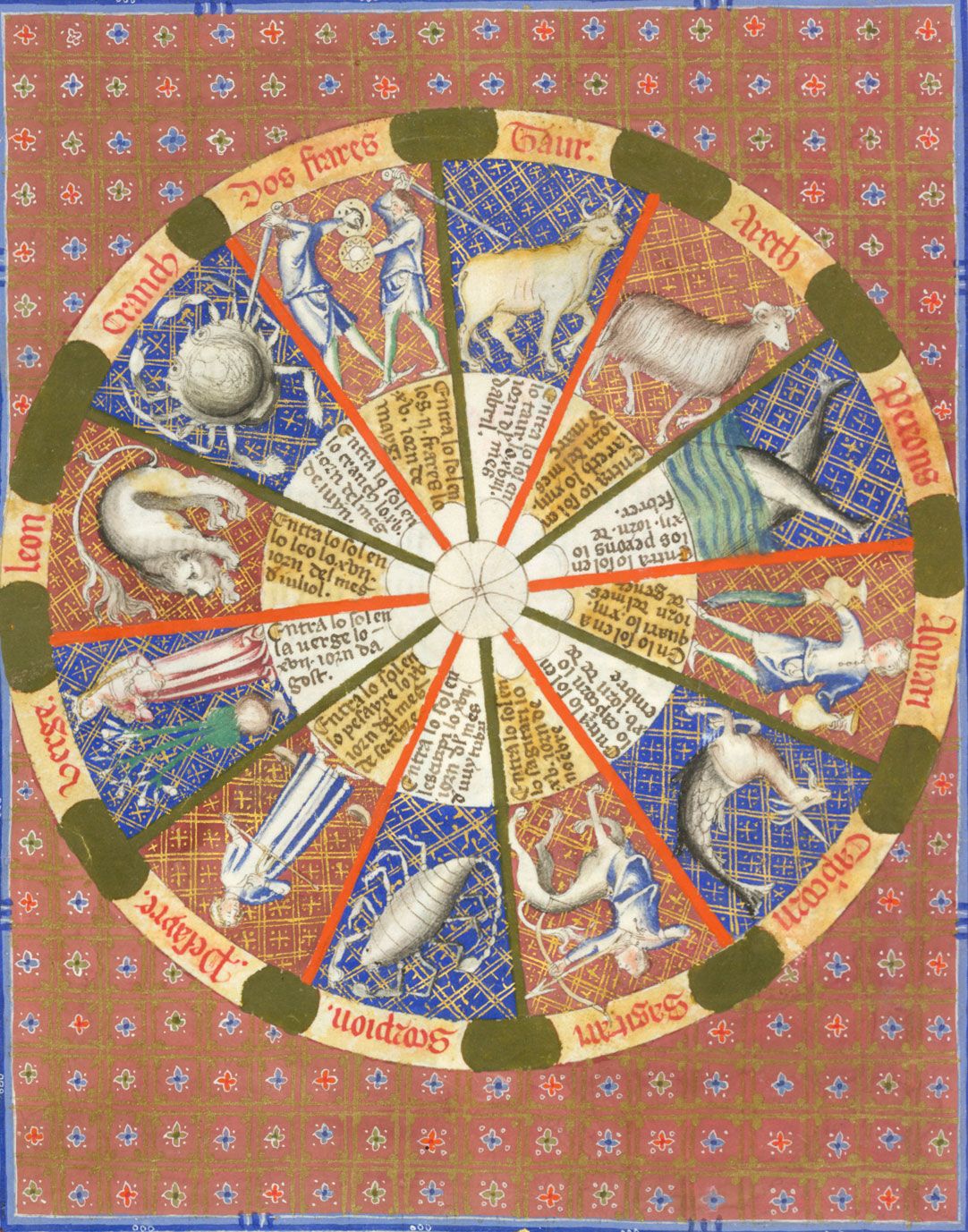
The theoretical framework of Hellenistic and late antique astrologers was built upon Babylonian (and Egyptian) astrological traditions, integrated with Stoic, Middle Platonic, and Neopythagorean thought. This reflects the broader philosophical synthesis of the Greco-Roman world at the time.
3. Development of Hellenistic Methodology in Indian Astrology
Indian astrologers further refined the complex methodologies of Hellenistic astrology, adding an essential component known as the nakshatras (the 28 lunar mansions). Found in early Vedic astrological texts, this concept, when combined with Hellenistic techniques, established a more precise system of interpretation.
New Translations and Explorations of Classical Literature
1. Ptolemy’s Tetrabiblos and Byzantine Preservation
The Eastern Roman (Byzantine) Empire continued the preservation and transmission of astrological texts even after the imperial partition of 395. In particular, Ptolemy’s Tetrabiblos served as the core text that organized Hellenistic astrological theory into a systematic framework, passing it down to medieval and early modern scholars. This work played a decisive role in transmitting ancient astrological knowledge to the modern era.


2. Current Panchang Observational Data — July 29, 2026
Current Panchang data, following Vedic astrological tradition, provides a window into real-time applications of classical astrology. July 29, 2026: The Shukla Purnima (full moon) period is observed, with the influence of Uttara Ashadha Nakshatra (the 21st lunar mansion). This demonstrates that classical lunar-based astrology remains actively applied today.

Columns and Expert Contributions
1. Definitions and Practical Scope of Traditional Astrology
The astrology community defines traditional Western astrology as the practice utilizing techniques developed by Hellenistic, medieval, and Renaissance astrologers before 1700. This tradition is characterized by the use of only major aspects and essential dignities and debilities.
2. A Venue for Academic Research and Methodological Review
International astrology forums aim to apply scientific methods to all approaches of astrology, facilitate the collaborative establishment and verification of new ideas, and re-examine existing interpretive methods. This reflects an effort to re-evaluate the theoretical foundations of classical astrology with modern academic rigor.
3. Activation of Horary and Electional Astrology Communities
Forums such as Skyscript and other international astrology platforms continue to promote practitioner discussions in specialized fields like Horary (question and answer) and Electional (choosing optimal times) astrology, serving as vital platforms for exploring the modern applicability of classical methodologies.
Future Outlook for Classical Astrology Research
-
Historical Reconstruction of House Division Theory: Further historical research into the co-existence and selection criteria of the three Hellenistic house systems is anticipated.
-
Deepening of Byzantine Preservation Efforts: Projects involving the translation and interpretation of Ptolemy’s works and early Hellenistic texts are expected to expand, led by academic institutions.
-
Introduction of Scientific Methodology in Practitioner Communities: It is expected that the research and development sections of traditional astrology forums will continue the re-verification of classical techniques and the development of new interpretive models.
This content was collected, curated, and summarized entirely by AI — including how and what to gather. It may contain inaccuracies. Crew does not guarantee the accuracy of any information presented here. Always verify facts on your own before acting on them. Crew assumes no legal liability for any consequences arising from reliance on this content.
Powered by
