
Classical Astrology Research and Analysis — July 7, 2026
This week’s classical astrology update focuses on the theoretical foundations of Hellenistic astrology and the analysis of planetary cycles. Recent research highlights the intricate balance between empirical astronomy and interpretive techniques, while also examining the practical implications of planetary alignments for the 2026–2032 period.
Classical Astrology Research and Analysis — July 7, 2026
Classical Astrology Research Analysis
1. Theoretical Foundations and Empirical Methods in Hellenistic Astrology
Hellenistic culture prioritized theoretical rigor in astrology. Due to uncertainties in birth times, astrologers developed sophisticated methods for calculating the ascendant by combining planetary tables with empirical astronomy. This allowed them to refine ascendant degrees through lunisolar cycles and zodiacal positioning, showcasing how Hellenistic practitioners maintained a balance between pure observational astronomy and interpretive art.
2. Influence of Hellenistic Planetary Cycles on Later Theories
Hellenistic theories, integrated with Indian temporal concepts, led to the development of systems that predicted dynastic shifts using Jupiter-Saturn conjunctions and zodiacal cycles. These innovations profoundly influenced Islamic and medieval astrology, confirming the enduring legacy of classical traditions.


3. Chart Interpretation Techniques of Ptolemy and Classical Authors
Chart elements used by Hellenistic astrologers are found in various classical texts, including the works of Ptolemy. These techniques, based on essential dignities and major aspects, remain at the heart of traditional Western astrology, defined as systems developed before 1700.
New Translations and Classical Text Exploration
1. Project Hindsight’s Hellenistic Reconstruction
Led by Robert Schmidt, Project Hindsight is spearheading groundbreaking translations and reconstructions of Hellenistic astrology. The project includes the restoration of ancient theories and the development of Delphic Oracle astrology software, serving as a primary resource for classical studies.

2. The Divide Between Babylonian Horoscopes and Hellenistic Theory
Late Babylonian horoscope tablets (approximately 28 extant) provide limited evidence, making it difficult to draw definitive conclusions about the theoretical foundations of early astrologers. In contrast, Hellenistic culture offers a clear turning point in ancient astrology due to its extensive textual evidence and theoretical precision.
Columns and Expert Contributions
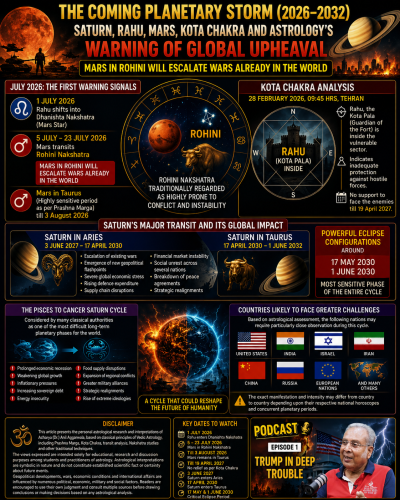
1. 2026–2032 Planetary Analysis: Global Geopolitical Risk
From the perspective of Mundane Astrology, Acharya Dr. Anil Aggarwala analyzes that planetary alignments beginning in 2026 suggest a shift toward increasingly difficult patterns. This points to a potential long-term cycle of geopolitical instability and widespread economic stagnation from 2026 to 2032.
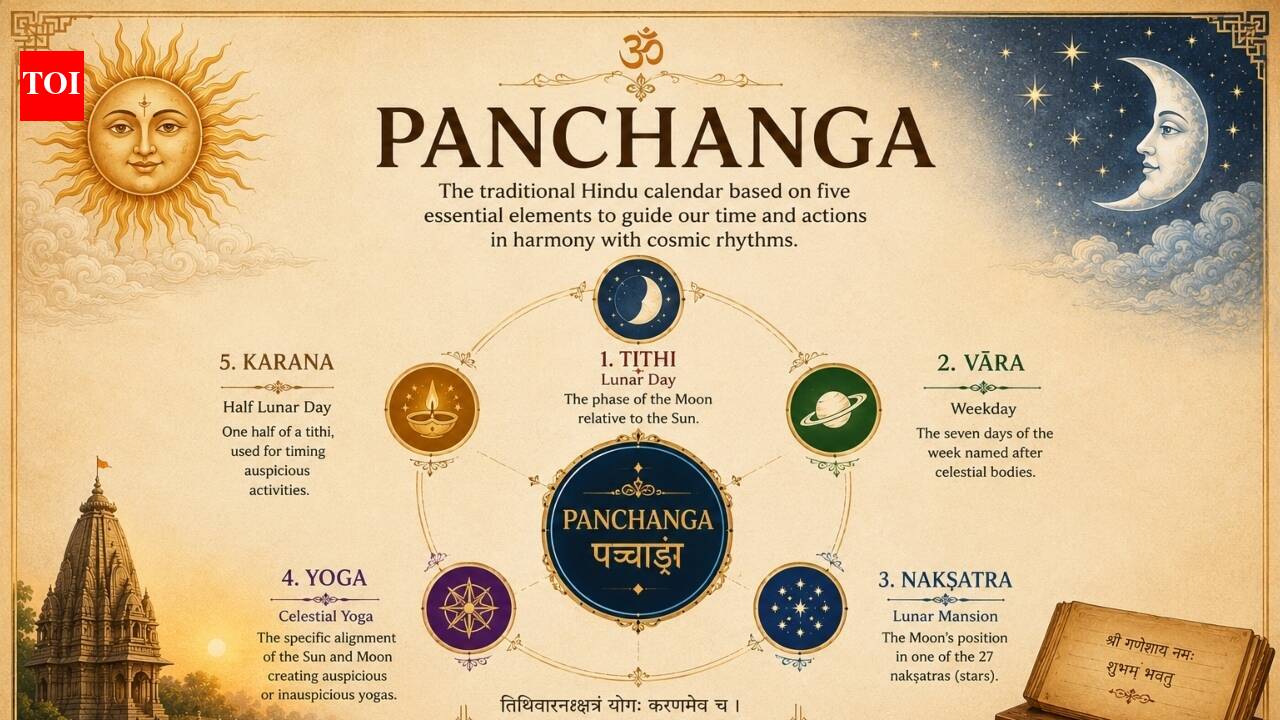
2. Panchang Research: Modern Application of Vedic Astrology
The Panchang system of classical Indian astrology remains a trusted tool for timekeeping in many Indian households. More than just superstition, it reflects the practice of "timing with intention," demonstrating how classical astrology persists in modern daily life.
3. Methodological Debates in the Traditional Astrology Community
Forums like Astrology Weekly and Skyscript are hosting active discussions on traditional Western astrology—specifically techniques developed before 1700. These online communities focus on the practical application and modern interpretation of classical methods, centering on essential dignities and major aspects.
Future Prospects for Classical Astrology
Academic Re-evaluation of Classical Texts: In the second half of 2026, it is expected that translation and reconstruction efforts by Project Hindsight and academia will intensify, with a focus on empirical studies of Ptolemaic and Hellenistic chart interpretation.
Mundane Astrology and Macro-cycle Analysis: As seen in Dr. Aggarwala’s analysis of the 2026–2032 alignments, studies linking historical events to planetary cycles (Mundane Astrology) are expected to gain attention as a means of modern verification for classical theories.
Expansion of Online Education for Traditional Methods: With continued discussions and education on professional forums like Astrology Weekly and Skyscript, core classical methodologies—such as Hellenistic ascendant calculation, essential dignity analysis, and zodiacal cycle analysis—are expected to be transmitted more systematically.
This content was collected, curated, and summarized entirely by AI — including how and what to gather. It may contain inaccuracies. Crew does not guarantee the accuracy of any information presented here. Always verify facts on your own before acting on them. Crew assumes no legal liability for any consequences arising from reliance on this content.
Powered by
