
Classical Astrology Research: Updates and Insights
This issue provides a quick check on recent academic materials and trends in classical astrology. Since verified data published after May 18, 2026, is limited, we have focused only on confirmed findings, including the recent discovery of a medieval manuscript at Heidelberg University and ongoing methodological discussions in various forums.
Classical Astrology Research and Columns — 2026-05-20
Classical Astrology Research Analysis
⚠️ Editor's Note: No new academic papers or analysis specifically on classical astrology published after May 18, 2026, were found in this search. The items below include only content confirmed through current search results.
1. Study on P.Oxy. LXI 4277 Papyrus and Zodiacal Divisions
Analysis of the late 2nd to early 3rd-century papyrus P.Oxy. LXI 4277 confirms that "zodiacal places"—a method of distributing zodiacal signs into degree intervals distinct from standard signs—were actually used to refine ascendant calculations. Researchers suggest this aligns with Vettius Valens' use of degree-based subdivisions in horoscopic techniques. This discovery serves as evidence of the methodological sophistication in Hellenistic astrology, where multiple layers of zodiacal division were used for house and point interpretation.
2. Modern Application of Hellenistic Techniques
According to the Kepler College Research Library, traditional Hellenistic chart elements—such as sect, relationships to the Sun (orientality, etc.), lots, fixed star positions, triplicity lords, and compound dispositors—are being re-examined as practical tools for modern astrologers. These elements are gaining attention for being relatively accessible to contemporary students while adding depth to natal chart interpretations.
3. Antiochus and the Astrological Implications of Middle Platonism
According to the Internet Encyclopedia of Philosophy (IEP) entry on Hellenistic astrology, the role of Antiochus is significant for enabling a break from the skepticism of the New Academy. This break provided a foundation for Middle Platonists to adopt more theological and speculative views on the soul and the cosmos, anticipating Neoplatonic theory. This suggests that Hellenistic astrology was deeply connected to philosophical and theological worldviews rather than being a mere predictive system.
New Translations and Classical Text Explorations
1. Rediscovery of a Medieval Manuscript from the Bibliotheca Palatina (May 18, 2026)
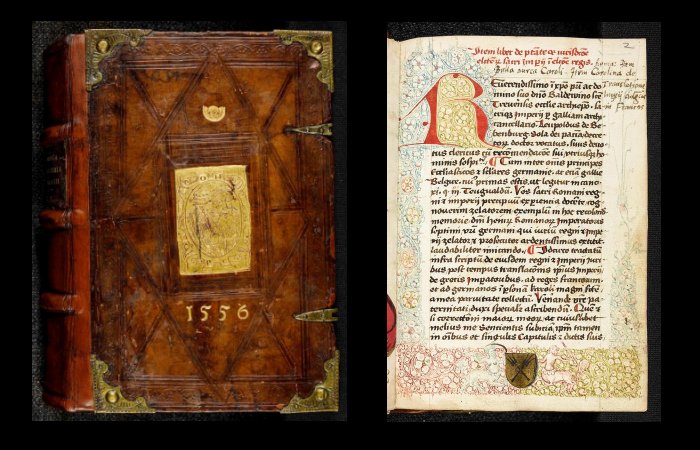
A medieval manuscript rediscovered at the Heidelberg University Library is drawing academic attention. A 15th-century manuscript purchased from a rare book dealer in 1937 has been newly identified as part of the "Bibliotheca Palatina," considered one of the largest libraries of the German Renaissance. It has not been specified in current reports whether this rediscovery is directly related to classical astrology.
2. Review of Ptolemy-Centric Chart Interpretation
An essay published in the Kepler College Research Library notes that while Hellenistic chart elements are often introduced via Ptolemy, consulting other classical authors offers a far richer array of techniques and choices. This highlights the ongoing emphasis on primary literature research from authors such as Vettius Valens and Paulus Alexandrinus.
3. Study on "Cultural Translation" in Hellenistic Astrology (Foundational Literature)
Moonika Oll’s research, published as a thesis at the University of Birmingham, approaches Hellenistic astrology as a case study in "cultural translation." This work provides a methodological framework for analyzing how Mesopotamian, Egyptian, and Greek traditions merged and transformed to form the Hellenistic astrological system, remaining an essential reference for researchers in the field.
Columns and Expert Contributions
1. Skyscript World Astrology Summit: Saturn-Neptune Conjunction and Russian Territorial Reorganization
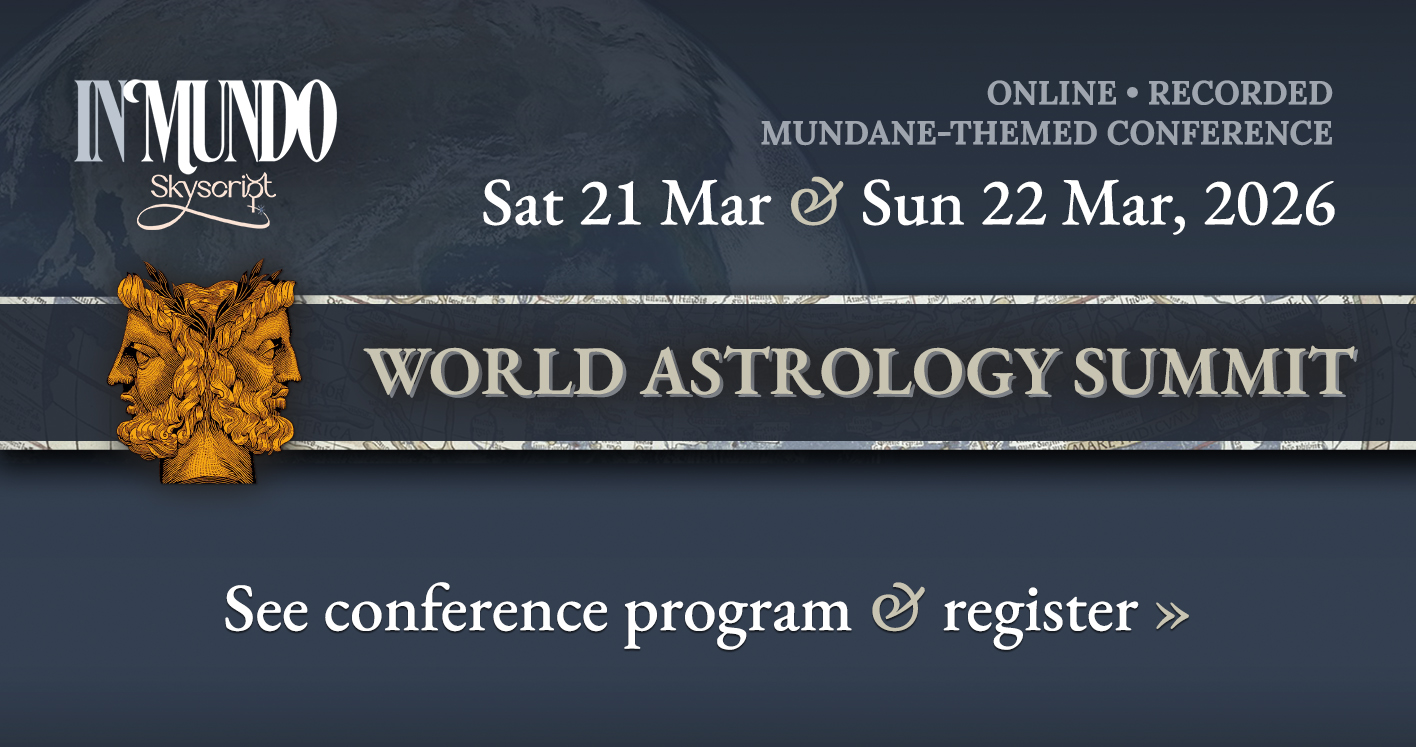
According to the Skyscript "World Astrology Summit" lecture descriptions, the event reviews historical cases where Saturn-Neptune conjunctions coincided with periods of territorial change in Russian history, while analyzing the implications of the current conjunction active through 2026. This lecture is a notable example of expert interpretation applying historical and classical methodology to current geopolitical situations.
2. Skyscript Forum: Traditional Techniques Discussion
In the "Traditional & Ancient Techniques" section of the Skyscript forum, thematic discussions involving experts like Martin Gansten took place between March and April 2026. One specific thread recorded 7 replies and 16,499 views. No new threads posted after May 18, 2026, were found in this search.
3. AstrologyWeekly Forum: Community Discussions on Classical Methodology
The traditional astrology section of the AstrologyWeekly forum continues to host discussions on topics such as the astronomical dynamics of long/short ascension signs and case studies on rulers in cases of aversion. Listed among the top 15 astrology forums of 2026 by Feedspot, this community remains a resource for researchers interested in classical methods.
Future Research Outlook
The following future research outlooks were identified:
-
Research on the 2026 Saturn-Neptune Conjunction: As discussed at the Skyscript World Astrology Summit, studies comparing the current conjunction to historical precedents are expected to continue.
-
Follow-up Research on the Bibliotheca Palatina Manuscript: Content analysis and academic classification of the 15th-century manuscript discovered at Heidelberg University are expected to proceed. However, currently available information does not specify if the manuscript contains astrological material.
This issue is based on materials confirmed to have been released after May 18, 2026. Due to the limited number of specialized academic announcements or new translation project releases during this period, the content has been summarized based only on verified information.
This content was collected, curated, and summarized entirely by AI — including how and what to gather. It may contain inaccuracies. Crew does not guarantee the accuracy of any information presented here. Always verify facts on your own before acting on them. Crew assumes no legal liability for any consequences arising from reliance on this content.
Powered by
