
Classical Astrology Research and Columns — 2026-06-19
The study of classical astrology is buzzing lately, focusing on how Hellenistic foundations evolved into Persian-Arabic traditions. Scholars are really digging into the modern application of ancient techniques like planetary sect, orientality, and triplicity lords.
Classical Astrology Research and Columns — 2026-06-19
Classical Astrology Research Analysis
1. The philosophical shift from Hellenistic astrology to Neoplatonism
Following the 3rd century, Antiochus, a key figure in the development of Hellenistic astrology, broke away from the skepticism of the New Academy. This allowed Middle Platonists to adopt theological and speculative views on the soul and the cosmos, serving as a precursor to later Neoplatonic theory.
2. The development of genethlialogy in the Hellenistic era
Starting in the 3rd century BCE, Babylonian diviners began applying planetary omens (such as position on the horizon, latitude, and retrogradation) to birth times or calculated conception times to predict the flow of an individual's life. This method evolved in parallel with the rise of genethlialogy (birth chart creation) in Hellenistic Egypt.
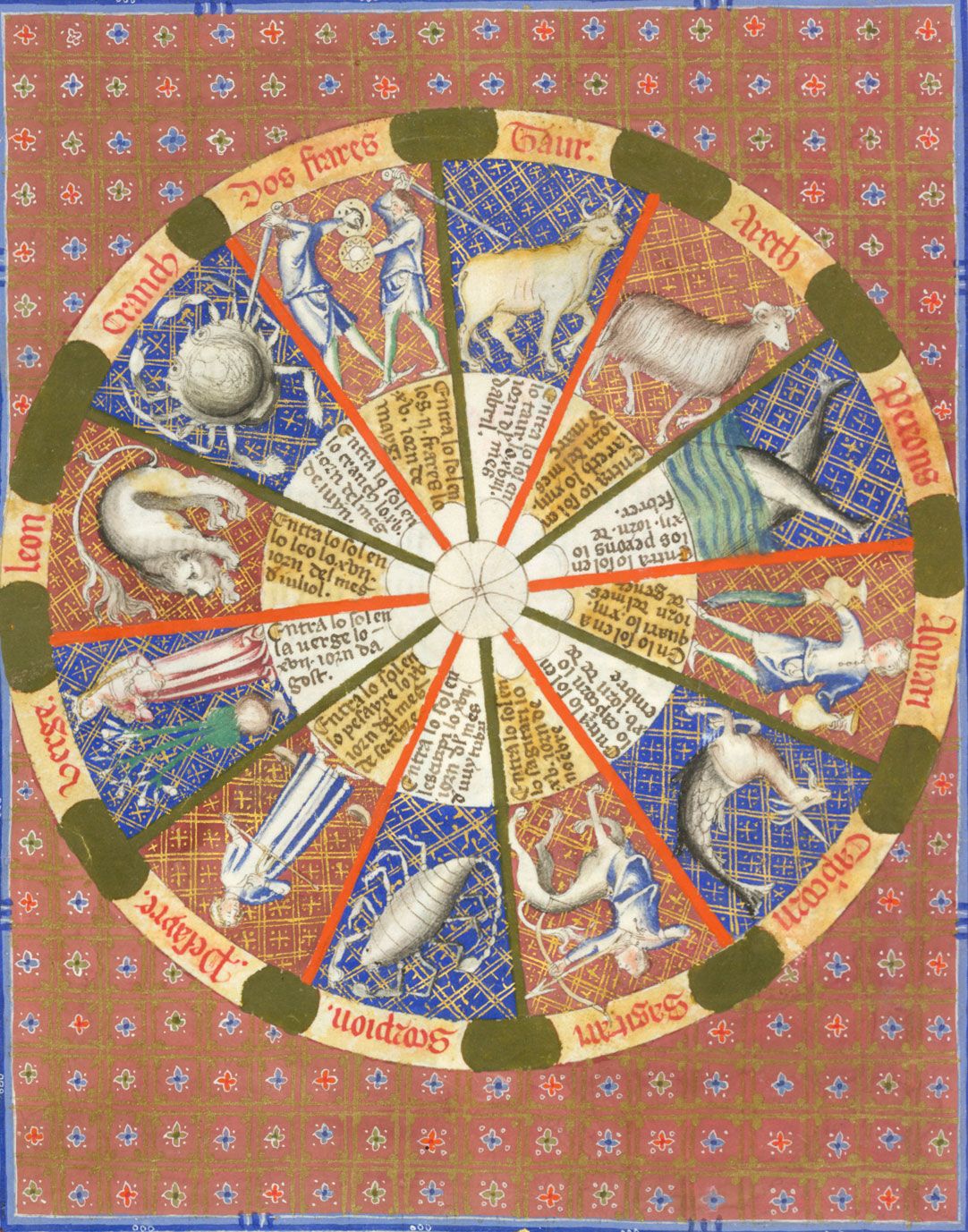
3. Core techniques in modern classical astrology practice
Some Hellenistic chart analysis techniques are particularly accessible and valuable for modern students of natal astrology. These include planetary sect, orientality and other configurations with the Sun, lots and fixed star positions, and triplicity lords and compound dispositors.
New Translations and Classical Literature Exploration
1. Re-analysis of the Athribis mystery stele horoscopes
In issue 53/1 of the Journal for the History of Astronomy, Marina Escolano-Poveda published four sophisticated Demotic-Hieratic horoscopes from Athribis. Three are new discoveries (O.Athribis 17-36-5/1741), and the fourth is a re-edition (ANAsh.Mus.D.O. 633).
2. The longevity of Imperial astrology: The Persian tradition of astro-medicine
Under the reign of Khosrow I (531–579 CE), the Academy of Gondishapur became a hub where Greek, Indian, and Persian thinkers converged, thanks to the monarch's patronage of science and philosophy. Here, astrology developed in dialogue with medicine, mathematics, and astronomy. Persian scholars did not just preserve earlier material but built upon it. They refined mundane astrology—used to predict dynastic shifts—by utilizing Jupiter–Saturn conjunctions and zodiacal cycles, blending Hellenistic planetary theory with Indian time cycles.


Columns and Expert Contributions
1. Astrology Weekly forum: Practical discussions on classical techniques
Astrology Weekly serves as a vibrant platform for the classical astrology community, hosting active discussions on books like "Hellenistic Ancient Astrology: A Manual of Traditional Techniques" (Volumes 1 & 2) and Q&A sessions on the historical origins of synastry.
2. Skyscript Astrology: Providing academic-focused classical methodology
Run by Deborah Houlding, Skyscript is a comprehensive website dedicated to Western astrology. It offers resources for students and practitioners across all major fields—including natal astrology, horary, and decumbiture—while maintaining an active community forum, historical research, and professional interviews.
3. Recent activity on the Classical and Ancient Techniques forum
Since February 2026, the "Traditional (& Ancient) Techniques" forum on Skyscript has seen ongoing practical discussions. Recent posts have focused on deep conversations regarding the modern interpretation and application of traditional astrological methods.
Future Outlook for Classical Astrology Research
Recent academic materials suggest several key research directions:
-
The bridge between Persian-Arabic traditions and Hellenism: Further study is underway regarding the role of the Academy of Gondishapur, with a specific focus on the interaction between mundane and natal astrology.
-
Incremental reinterpretation of ancient primary sources: The systematic re-analysis of Demotic-Hieratic horoscopes through academic journals continues, contributing to the reconstruction of the methodologies behind the oldest astrological records.
-
Connecting theory and practice in the practitioner community: Discussions on platforms like Astrology Weekly and Skyscript are successfully bridging academic findings with the experiences of modern practitioners, which is vital for keeping classical techniques alive.
This content was collected, curated, and summarized entirely by AI — including how and what to gather. It may contain inaccuracies. Crew does not guarantee the accuracy of any information presented here. Always verify facts on your own before acting on them. Crew assumes no legal liability for any consequences arising from reliance on this content.
Powered by
