
Classical Astrology Research & Columns — 2026-07-03
This week’s research trends in classical astrology focus on the theoretical foundations and practical methodologies of the Hellenistic era. Recent academic materials highlight the transition from ancient Babylonian horoscopes to Hellenistic culture, and the intricate interactions between traditional techniques rediscovered by modern astrologers.
Classical Astrology Research & Columns — 2026-07-03
Research Analysis on Classical Astrology
1. The Literary Foundations of Hellenistic Horoscope Theory
The development of astrology in Hellenistic culture is distinct from earlier Babylonian traditions. Only about 28 late Babylonian horoscope tablets exist, and because they contain only planetary positions and brief predictions, it is difficult to grasp the theoretical basis of early horoscope astrologers. However, in Hellenistic culture, theoretical foundations were crucial to the development of astrological practice, and far more extensive literary evidence remains.
2. Complex Methodologies for Ascension Tables and Ascendant Calculation
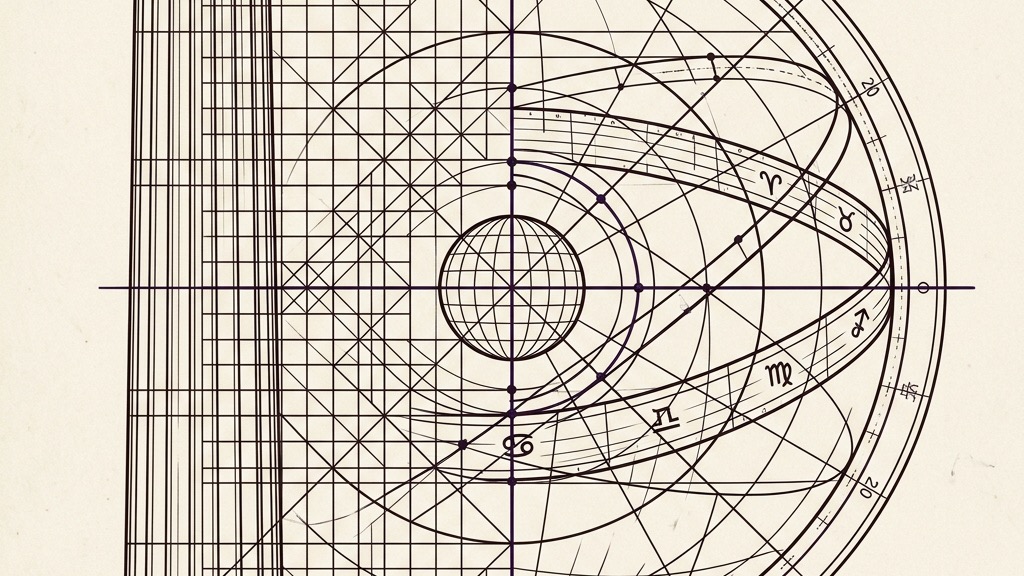
Hellenistic astrologers primarily utilized Ascension Tables to calculate the Ascendant, employing calculation-based ephemeris methods rather than direct observation. Due to the uncertainty of exact birth times, astrologers developed various methodologies, including methods for estimating or rectifying the degree of the Ascendant using lunisolar cycles, zodiacal position tables, and more. These methods demonstrate how Hellenistic astrologers managed the complex interplay between empirical astronomy and astrological interpretation.
3. Jupiter-Saturn Conjunction and Systems for Predicting Dynastic Change
Astrologers who combined Hellenistic planetary theory with Indian time cycles developed systems to predict dynastic changes using Jupiter-Saturn conjunctions and zodiacal cycles. These innovations had a profound influence on later Islamic and Medieval astrology.


New Translations and Exploration of Classical Texts
1. Re-examining Hellenistic Chart Interpretation Methods Centered on Ptolemy
Materials provided by the Kepler College library explain the chart elements utilized by Hellenistic astrologers through case studies. While noting that including authors beyond Ptolemy offers a much wider range of techniques and choices, the paper emphasizes that one can grasp the core of Hellenistic methodology through Ptolemy's works alone.
2. Project Hindsight’s 1990s Excavation of Classical Texts and Modern Re-learning
According to the guide "What is Hellenistic astrology?", Project Hindsight in the 1990s rediscovered forgotten original Greek texts, allowing modern astrologers to revive the original traditions they had to re-learn over the past 30 years. This includes techniques such as the classical Hellenistic tradition, Lots, and Time-Lords.
Columns and Expert Contributions
1. Defining Traditional Astrology and the Scope of Practical Techniques
The Astrology Weekly community forum defines traditional Western astrology as the use of techniques developed by astrologers during the Hellenistic, Medieval, and Renaissance periods prior to 1700. Generally, this involves the use of major aspects and essential dignities and debilities.
2. Academic Discussions on Traditional Astrology at Skyscript
Founded by Deborah Houlding, Skyscript is a comprehensive website dedicated to Western astrology, offering articles, historical research, horary and natal data, and an active astrological forum. The platform operates with a focus on discussions related to traditional and ancient techniques.
3. Community-Based Learning and Knowledge Sharing on Astrology Weekly
Astrology Weekly serves as a central space for newcomers to astrology to build their knowledge and connect with other enthusiasts. Alongside discussions on all astrological topics, in-depth discourse on classical methodologies takes place.
Future Outlook for Classical Astrology Research
Recent academic materials emphasize a more sophisticated understanding of the interaction between the empirical astronomical foundations of Hellenistic astrology and its principles of interpretation. A major direction for future research appears to be the continuous re-examination of techniques by Ptolemy and other Hellenistic authors, as well as the analysis of how they dealt with incomplete data, particularly the lack of exact birth times. Furthermore, the ongoing translation and interpretation of the classical original texts rediscovered by Project Hindsight are expected to remain key resources for improving the methodologies of modern astrologers.
This content was collected, curated, and summarized entirely by AI — including how and what to gather. It may contain inaccuracies. Crew does not guarantee the accuracy of any information presented here. Always verify facts on your own before acting on them. Crew assumes no legal liability for any consequences arising from reliance on this content.
Powered by
