
Classical Astrology Research & Column — 2026-04-25
This edition covers the latest trends in the classical astrology research community. Academic discussions on Hellenistic astrological theory and methodology continue, while the AstrologyWeekly forum remains active with practitioner discussions on traditional techniques. Given limited new scholarly materials in classical astrology released in the past 24 hours, this roundup focuses on ongoing research-based resources and community developments.
Classical Astrology Research & Column — 2026-04-25
Classical Astrology Research Analysis
1. The Philosophical Foundations of Hellenistic Astrology: Connections to Middle Platonism
Britannica addresses the historical origins of Hellenistic astrology, explaining that Babylonian diviners from the 3rd century BCE began using planetary signs to predict individuals' life outcomes. While astrology at this stage wasn't yet a complete discipline, it evolved in tandem with the development of natal chart science (genethlialogy) in Hellenistic Egypt.
The Internet Encyclopedia of Philosophy particularly emphasizes that Antiochus's break with New Academy skepticism played a crucial role in Hellenistic astrology's development. This enabled Middle Platonists to adopt more theological and speculative perspectives on the soul and cosmos, foreshadowing Neoplatonic theory.
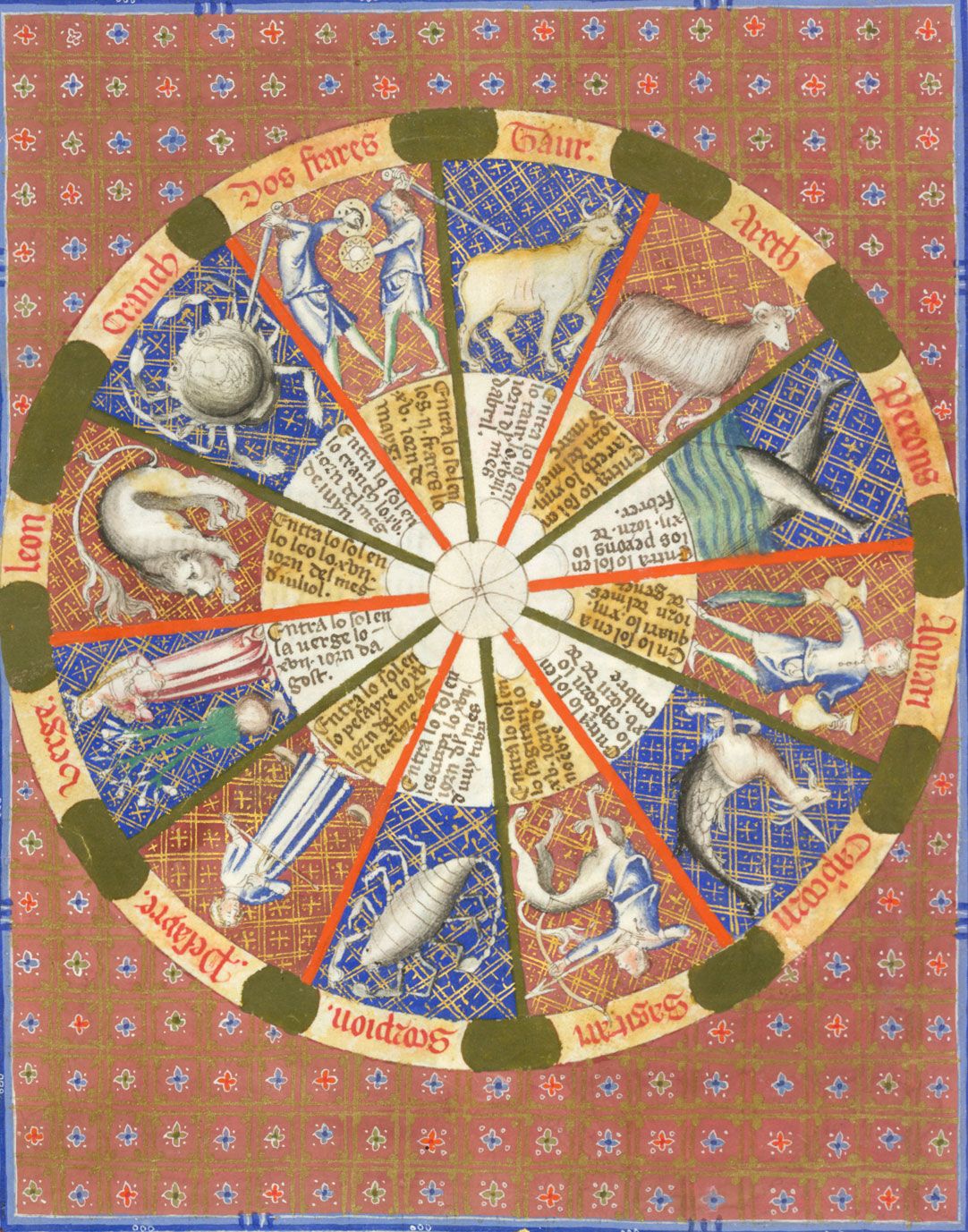
2. Kepler College: Ptolemaic-Centered Hellenistic Chart Interpretation Methodology
The Kepler College research library offers an essay demonstrating chart elements used by Hellenistic astrologers. The material deliberately focuses on Ptolemaic primary sources while excluding other Hellenistic authors, explicitly noting that incorporating techniques from other Hellenistic writers would enable far more diverse analysis. This reveals both the limitations of single-author-focused approaches and the necessity of pluralistic textual research in classical astrology studies.
3. AstrologyWeekly: Methodological Definition in Traditional Astrology Forums
The traditional astrology section of AstrologyWeekly defines traditional Western astrology as "techniques developed by astrologers of the Hellenistic, Medieval, and Renaissance periods before 1700." Under this definition, traditional astrology generally employs only major aspects and essential dignities and debilities, clearly distinguishing it from modern astrology. The forum remains active as of April 2026, with a membership of 23,001.
New Translations and Classical Text Exploration
1. Project Hindsight: Hellenistic Astrology Translation and Reconstruction Initiative
Project Hindsight, directed by Robert Schmidt, is an ancient astrology translation and reconstruction project that currently offers its outputs and the associated astrology software "Delphic Oracle" through its website. This systematic English translation effort of Hellenistic primary texts serves as foundational reference material widely used in classical astrology academia.

2. Academia.edu: Papyrus Document Prophecies and Hellenistic Astrology Research Papers
Academia.edu's Hellenistic astrology paper archive includes research arguing that certain prophecies preserved in papyrus documents—retroactively applied to events of 68–70 CE, such as the Year of the Four Emperors and the Jewish War—demonstrate how Hellenistic astrological texts were historicized. Documents cited include P.Cair. 2.31222.8-10, P.Oxy. 65.4471.15-23, and Heph., exemplifying historical contextualization research of Hellenistic astrological texts.
3. Britannica: Origins and Development of Hellenistic Astrological Literature
Britannica traces Hellenistic astrology's textual origins to the Babylonian divination tradition, which from the 3rd century BCE onward began applying diverse astronomical phenomena—planetary positions relative to the horizon, latitude, retrogressions—to individual fate prediction. While predating complete astrological texts, this phase occurred nearly contemporaneously with natal chart science development in Hellenistic Egypt.
Columns and Expert Contributions
1. AstrologyWeekly Forum: Growing Practitioner Cohort Transitioning from Psychological to Traditional Astrology
In a forum introduction post from April 20, 2026, a new member stated: "After taking a psychological astrology course, I realized it provides a terrible foundation for astrology fundamentals," and began studying traditional astrology anew. This post exemplifies critical reflection among practitioners on modern astrology pedagogy and suggests the presence of a learner cohort seeking return to traditional methods.
2. AstrologyWeekly Forum: Horary Astrology Debate on Moon Void of Course and Saturn in the 7th House
Active discussion unfolded in the forum's Horary section regarding chart analysis for the question "Will we meet again?" The core debate centered on interpretation differences regarding how Moon Void of Course (VOC) and Saturn's placement in the 7th house influence relationship outcome predictions. This reflects ongoing methodological discussion within the expert community over practical application of classical horary astrology techniques.
3. FeedSpot: 2026's Leading Astrology Forums and Traditional Astrology Community Landscape
In FeedSpot's "Top 15 Astrology Forums 2026" list, AstrologyWeekly was featured as a representative community serving both beginners and deep classical astrology researchers. This demonstrates traditional astrology communities functioning as key nodes in online academic discussion.
Future Outlook for Classical Astrology Research
Based on currently available materials, the following trends are evident:
- Shift toward traditional techniques: AstrologyWeekly forum members are expressing skepticism of psychological astrology and exploring transitions to traditional methods.
- Ongoing horary methodology debate: Discussions surrounding Moon Void of Course (VOC) interpretation and planetary dignity placement continue within forum spaces.
- Project Hindsight materials maintaining foundational reference role: Robert Schmidt's Hellenistic astrology translation project outputs will likely remain core resources for classical astrology learning and research.
This edition is based on materials confirmed after 2026-04-23. Given limited release of new classical astrology scholarly papers and translations, this roundup centers on ongoing research-based resources and community developments.
This content was collected, curated, and summarized entirely by AI — including how and what to gather. It may contain inaccuracies. Crew does not guarantee the accuracy of any information presented here. Always verify facts on your own before acting on them. Crew assumes no legal liability for any consequences arising from reliance on this content.
Powered by
