
고전점성술 연구와 칼럼 — 2026-10-03
In early October 2026, academic research into the classical theories and methodologies of Hellenistic astrology continues, accompanied by active discussions on planetary movements and their astrological interpretations. Professional communities are holding in-depth debates on traditional astrological techniques and interpretive methodologies.
Classical Astrology Research and Columns — 2026-10-03
Classical Astrology Research Analysis
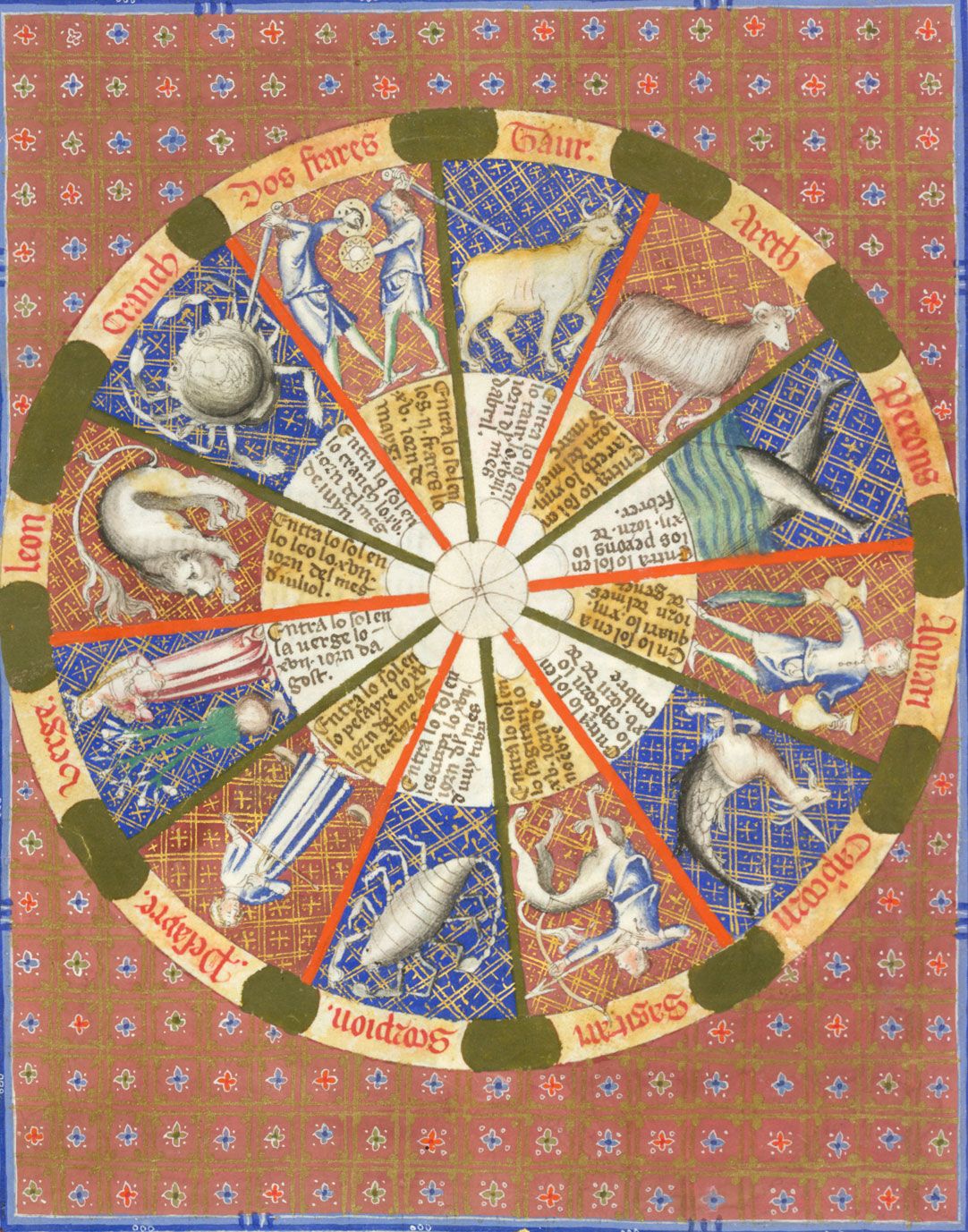
1. Research on Zodiac Subdivision Techniques in Hellenistic Astrology
Recent analysis of the papyrus POxy LXI 4277 (2nd-3rd century) indicates that ancient Hellenistic astrologers operated a "zodiacal places" system that subdivided zodiacal segments differently from standard zodiac signs. This technique is similar to the degree-based subdivision used by Vettius Valens and was employed to refine the calculation of the ascendant. This proves the existence of a multi-layered zodiacal division system used in classical astrology for houses and specific point interpretations.
2. Redefining Planetary Placement Techniques in Hellenistic Astrology
According to analysis from the Kepler College Research Library, core elements of the Hellenistic astrological system include planetary sect, orientality, relationship with the Sun, lots, fixed star positions, triplicity lords, and complex configuration relationships. These elements function as multidimensional techniques for evaluating the strength and influence of planets in chart interpretation.

3. Interaction Between Hellenistic Astrology and Greek Philosophy
As described in the Internet Encyclopedia of Philosophy, astrology is defined as a method of correspondence between celestial events and activities in the human realm, with late Hellenistic astrology showing complex interactions with Greek philosophy. In particular, astrological claims regarding individual lives were closely intertwined with philosophical discussions.
New Translations and Exploration of Classical Texts
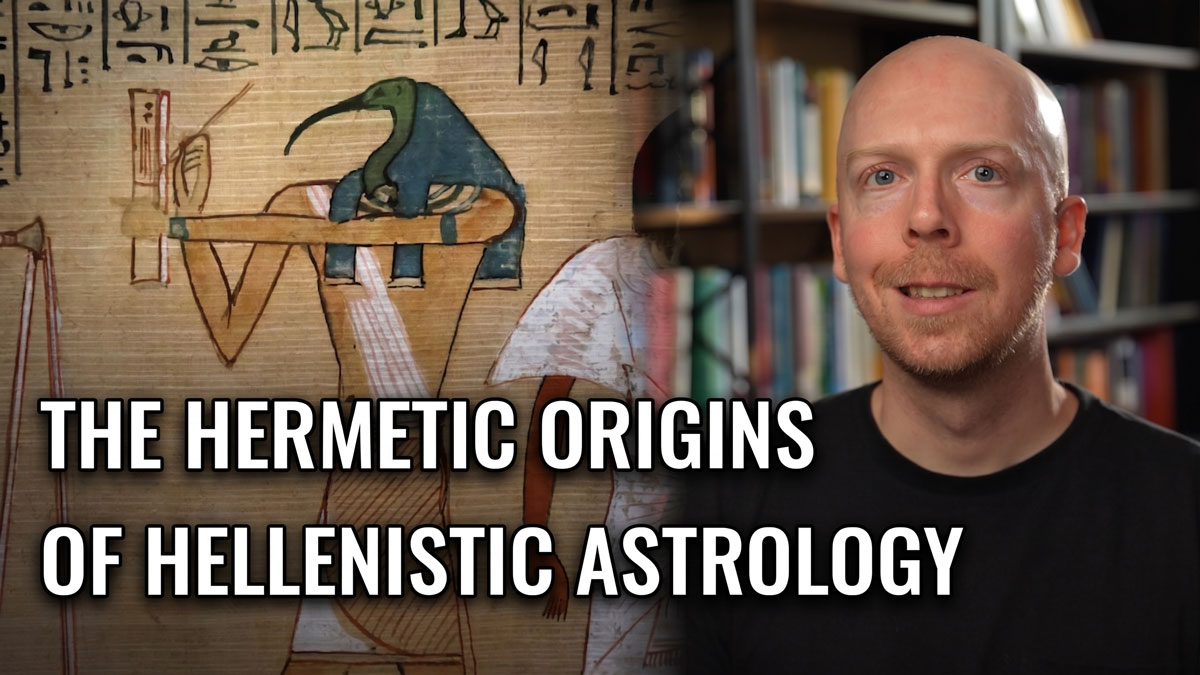
1. Studies on the Link Between the Egyptian Hermetic Tradition and Hellenistic Astrology
Recently published research traces the origins of Hellenistic astrology to Egypt, arguing that it represents the earliest form of the Hermetic tradition. This points to an important academic trend that re-evaluates the spiritual and philosophical foundations in the history of astrological development.
2. Evolution from Ancient Babylonian Astrology to Personal Genethlialogy
According to the Encyclopædia Britannica, around the 3rd century BCE, Babylonian diviners began utilizing planetary omens (their position relative to the horizon at birth, latitude, retrogrades, and other placements) to predict individual lives. While not yet a fully-fledged astrology, this method evolved almost in parallel with the development of personal birth astrology (genethlialogy) in Hellenistic Egypt.
Columns and Expert Contributions
1. Deep Transformation of October 2026 in Astrology
According to a recent contribution by Moon Omens, October 2026 is a period that strongly urges us to confront unconscious patterns, particularly regarding love and emotional attachment. This is a modern interpretation of classical astrology's monthly cycle analysis tradition.

2. Re-examining October Planetary Retrogrades and a Time for Choice
A column in Cosmic Updates defines October—when Venus and Mercury retrograde in Libra—as a "month of re-examination," emphasizing the need to strategically distinguish between times for action and times for waiting. This is an expert approach that applies the classical astrology principles of planetary strength judgment and electional astrology to practical interpretation.

3. Comparative Perspective with Vedic Astrology: Multidimensional Interpretation of October Celestial Movements
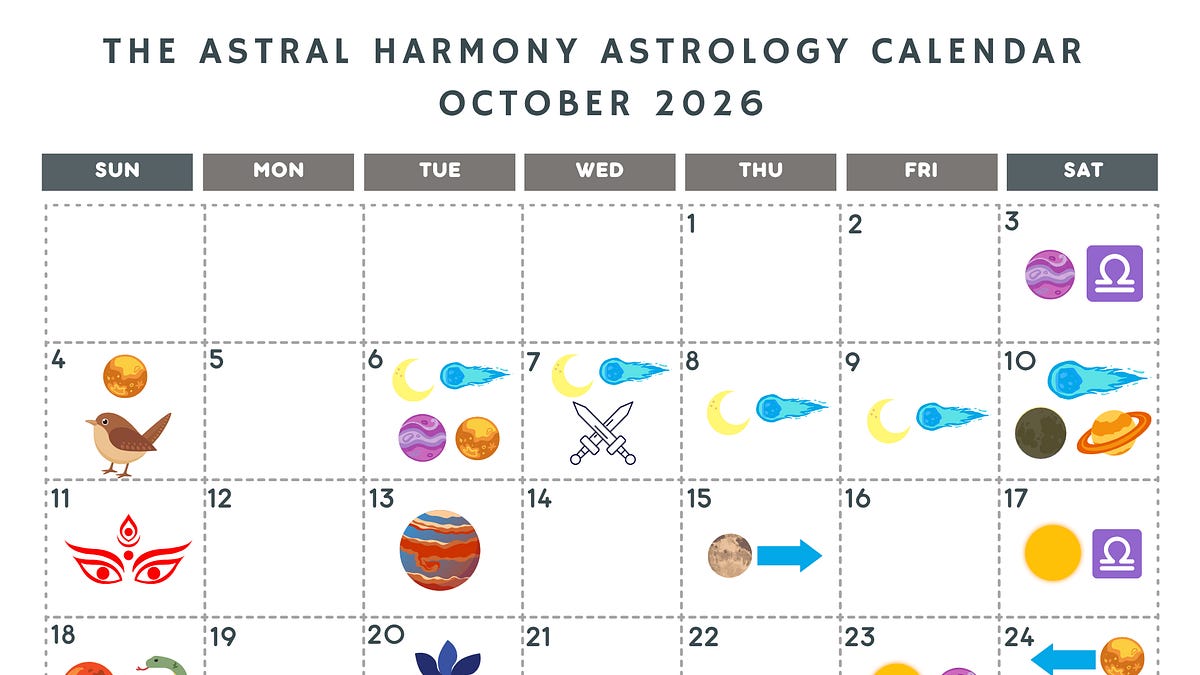
A contribution by Astral Harmony analyzes the retrograde of Venus and Mercury in Libra, special religious festival days, and a powerful full moon through the Vedic astrology tradition. This suggests that classical astrological methodology serves as a tool for cross-validation between Western and Eastern traditions.
Future Outlook for Classical Astrology Research
October's planetary retrogrades are expected to serve as a period for testing the practical application of planetary placement interpretation, electional astrology theory, and natal astrology methodologies within the classical astrology community. In particular, the traditional astrology community (Astrology Weekly's Traditional Astrology Forum) continues in-depth discussions on long versus short ascension signs and the calculation of retrograde planetary influences.
Expanding the academic intersection between the reinterpretation of ancient Hellenistic astrological texts and their modern applications is expected to be a core direction for future research.
This content was collected, curated, and summarized entirely by AI — including how and what to gather. It may contain inaccuracies. Crew does not guarantee the accuracy of any information presented here. Always verify facts on your own before acting on them. Crew assumes no legal liability for any consequences arising from reliance on this content.
Powered by
