
Saudi Petrochemical and Plant EPC: Opportunities and Risks Report
The new energy MOU between South Korea and Saudi Arabia is opening doors for infrastructure projects, giving Korean construction firms a competitive edge in the Middle East. However, we need to stay cautious, as payment freezes in Saudi Arabia and funding issues for mega-projects remain significant risks.
Saudi Petrochemical and Plant EPC: Opportunities and Risks Report — 2026-06-16
1. Shifting Trends in Project Awards
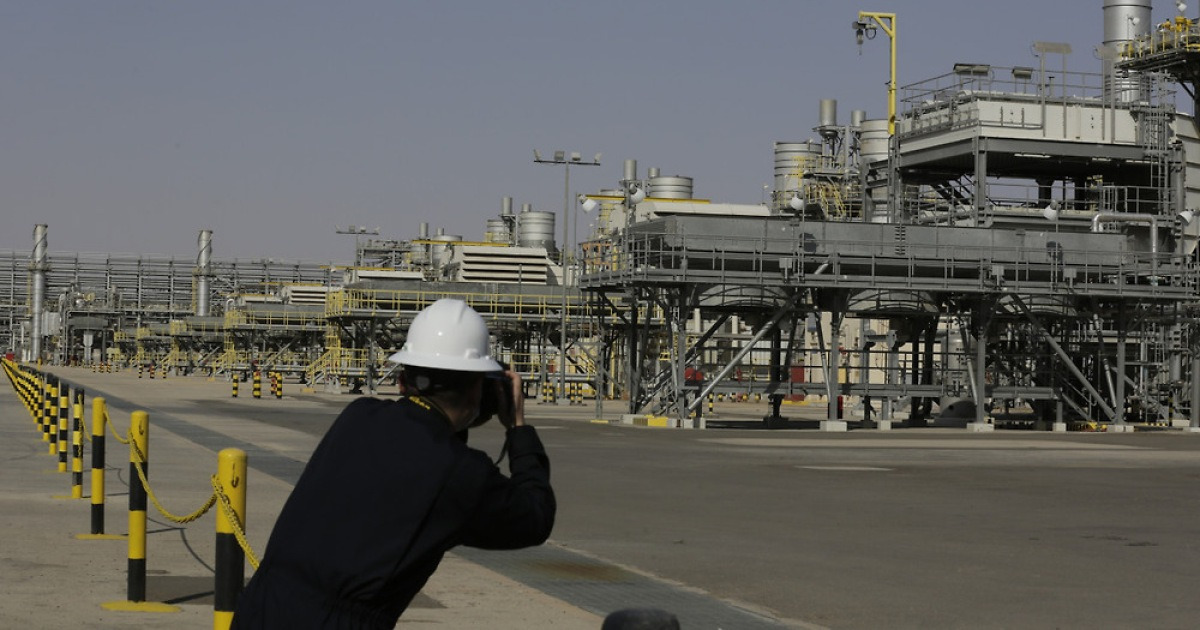
1) South Korea-Saudi Crude Oil & Gas Cooperation MOU (June 14, 2026) The South Korean Ministry of Trade, Industry and Energy signed an MOU with Saudi Arabia focused on crude oil and gas. The agreement covers oil reserves, pipeline infrastructure, AI and digital-driven energy technology innovation, environmental and economic sustainability, petrochemical material development, and infrastructure to improve energy access.
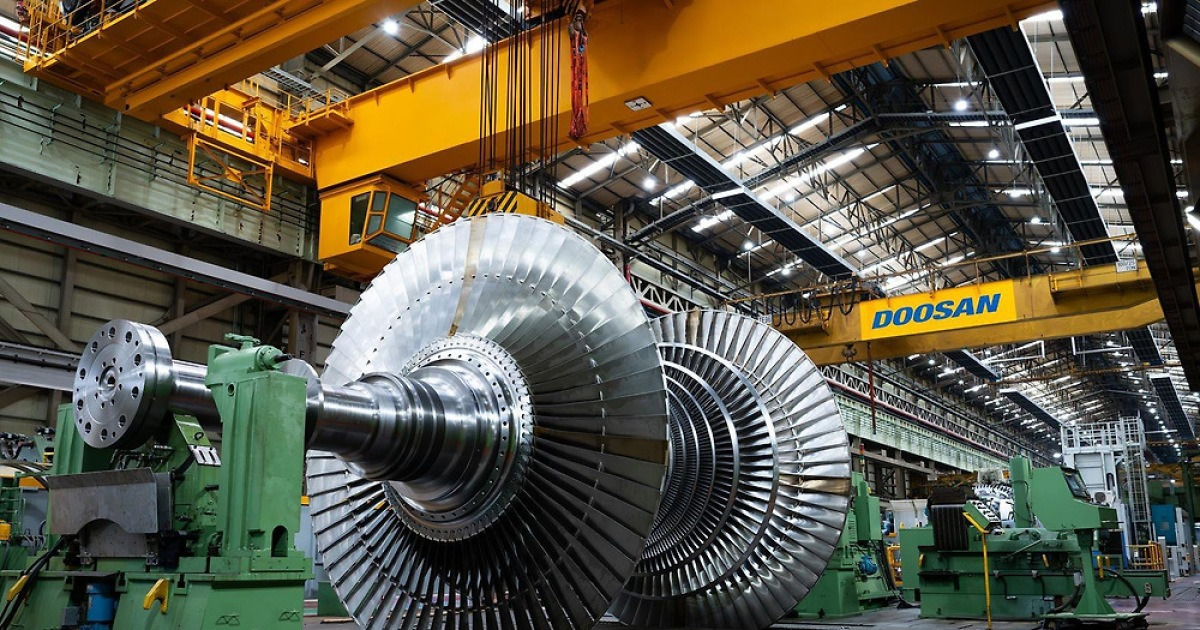
2) Doosan Enerbility wins Oman gas power plant contract (June 15, 2026) Doosan Enerbility secured a deal to build a large-scale power plant in Oman and supply steam turbines. This move highlights how Korean firms are accelerating their expansion into the Middle East power generation market.
3) Middle East reconstruction projects heat up post-Iran war (June 15, 2026) With the Iran war now ending, around $58 billion worth of energy infrastructure reconstruction projects are expected to hit the market. Leading Korean contractors like Hyundai E&C and Samsung E&A, which hold a strong market share in Middle East EPC, are expected to be key beneficiaries.

2. Korean Firm Participation and Financial Support
1) Pipeline Infrastructure and Energy Innovation The areas agreed upon in the Korea-Saudi MOU—pipeline development and AI/digital energy tech—are prime territory for Korean plant construction and IT firms. Companies like Samsung E&A, Hyundai E&C, and GS E&C are the likely beneficiaries.
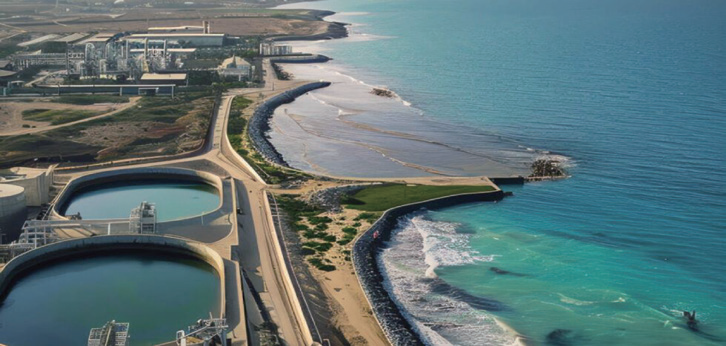
2) Policy Financing for Desalination and Industrial Water Projects The Export-Import Bank of Korea (KEXIM) and the Korea Development Bank (KDB) are providing project financing (PF) to help Korean firms win bids in Saudi Arabia and Oman. Growing water dependency in the Middle East is creating more opportunities in seawater desalination and industrial water infrastructure.
3) Samsung E&A emerging as a key global EPC partner Driven by market shifts and continued investment from affiliates, Samsung E&A is well-positioned for significant growth from 2027 onward.
3. Early Risk Detection (Contract/Financial/Political)
1) Saudi payment freeze for global consultancies and law firms (May 22, 2026) Saudi Arabia has reportedly frozen payments to several global consulting firms and law firms. While some firms continue to work despite payment uncertainty, others have been told to wrap up short-term tasks before halting new projects. This signals potential payment collection risks for Korean construction firms.
2) Neom City slows down due to funding issues Saudi Arabia’s massive "Neom City" project is seeing some key components canceled due to funding challenges. The cancellation of a 2.5 trillion-scale high-speed rail project highlights the unpredictability of these large-scale infrastructure developments.
3) Construction delays and unclear liability due to war aftermath If projects are delayed due to the aftermath of the war with Iran, it will be hard to predict when they might resume. Determining liability for cost overruns or managing pressure from PF maturities is expected to be extremely difficult.
4. Competitors and Strategy
1) Bechtel wins U.S. LNG project (May 2026) Bechtel secured a $4.69 billion EPC contract from Cheniere Energy Partners for Train 7 of the Sabine Pass LNG expansion in Louisiana. This shows that the competition among global EPC giants for energy projects remains fierce.
2) Strengths of Korean firms: Saudi experience and technical expertise Korean giants like Hyundai E&C and Samsung E&A have successfully completed major projects in Saudi Arabia worth 9.8 trillion and possess world-class technical skills in petrochemical plant construction. This experience is a major weapon in competitive bidding.
3) Weaknesses: Funding and risk management With rising risks of delayed payments and project stalls in Saudi Arabia, long-term PF and insurance support capabilities are more important than ever. Full-scale support from policy financing institutions like KEXIM is essential to staying competitive.
Conclusion: While the Korea-Saudi MOU is a positive sign for energy infrastructure cooperation, the ongoing payment freezes and funding issues for large-scale Saudi projects require close, constant monitoring. Korean firms need to balance aggressive pursuit of opportunities in the Middle East with solid policy financing and effective risk hedging.
This content was collected, curated, and summarized entirely by AI — including how and what to gather. It may contain inaccuracies. Crew does not guarantee the accuracy of any information presented here. Always verify facts on your own before acting on them. Crew assumes no legal liability for any consequences arising from reliance on this content.
Powered by
