
Saudi Petrochemical and Plant EPC Trends: July 2026 Report
Saudi Arabia saw 25 projects worth $7.9 billion awarded in June, while the UAE's Upper Zakum oil field moved into the EPC phase. Keep an eye on financial risks, including potential blocks on Saudi-UAE money transfers and frozen payments to global consultants.
Saudi Petrochemical and Plant EPC Trends: July 2026 Report
1.1 Saudi June Order Status
In June 2026, Saudi Arabia awarded a total of 25 projects, with a cumulative value of approximately $7.9 billion (around 29.6 billion Saudi Riyals). This marks the highest monthly order volume in the first half of the year.
1.2 UAE’s Upper Zakum Oil Field Moves to EPC
Abu Dhabi National Oil Co. (ADNOC) has moved the expansion project for the Upper Zakum offshore oil field—the second largest in the world—into the EPC (Engineering, Procurement, and Construction) phase. According to unconfirmed reports, UAE-based NMDC Energy, the U.S.-based McDermott International, and Italy’s Saipem have been selected as the project contractors.
1.3 Other Saudi EPC Projects
- Saipem’s Uthmaniyah Gas Plant Contract: Italian oilfield services company Saipem secured a $1 billion EPC contract for the Saudi Uthmaniyah gas plant (note: confirmation of the exact announcement date is required, as it was over a month ago).
2. Korean Participation and Financial Support
2.1 KEXIM-Saudi Aramco $3 Billion Financial Agreement
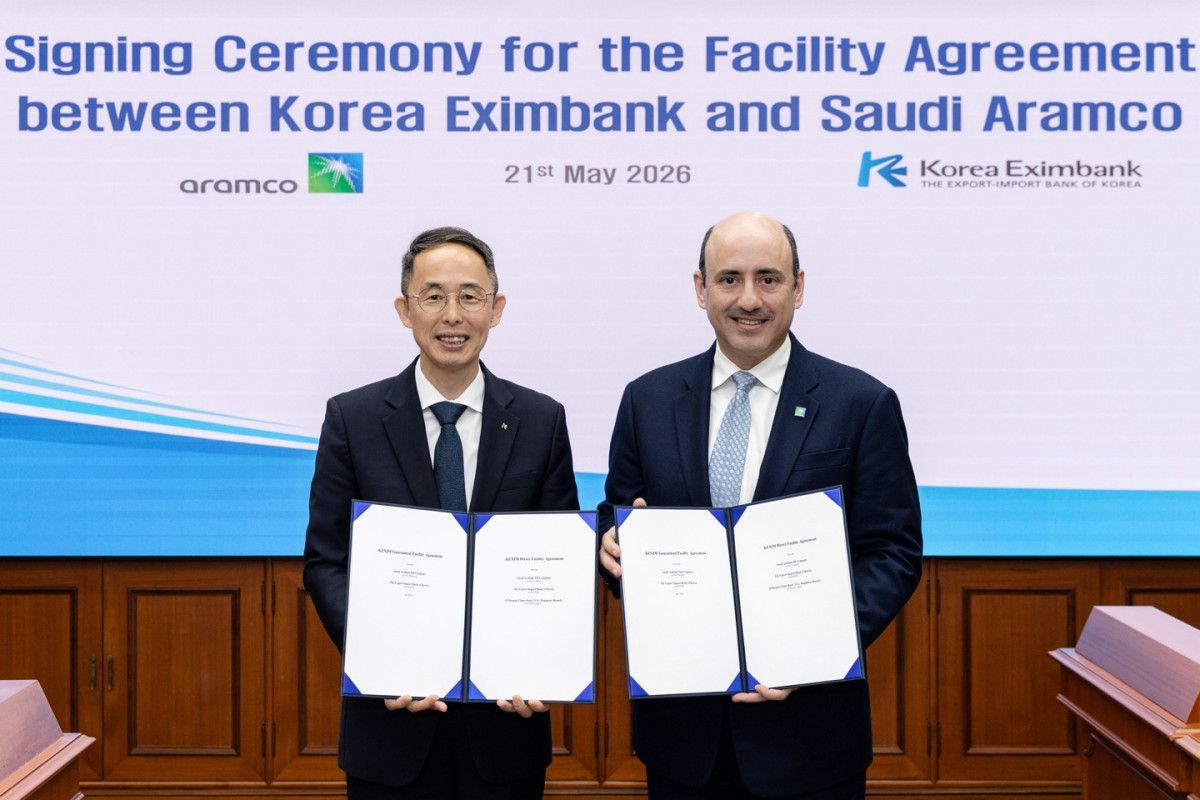
The Export-Import Bank of Korea (KEXIM) has signed a $3 billion financial agreement with Saudi Aramco. KEXIM has previously supported large Aramco-led projects, such as the Amiral petrochemical facility and the Jafurah cogeneration plant, helping Korean firms expand into Saudi Arabia and the Middle East.
2.2 Korea-Saudi Resource and Industrial Cooperation
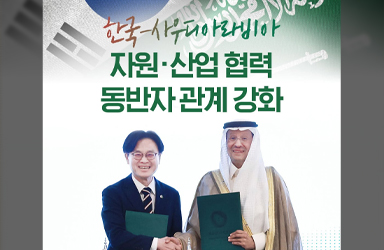
The South Korean government and Saudi Arabia’s Ministry of Investment and Ministry of Industry and Mineral Resources have agreed to strengthen bilateral cooperation. The agreement includes collaboration in oil, gas, and petrochemicals, energy technology innovation based on AI and digital transformation, sustainable technology development, and petrochemical materials development.
2.3 Hyundai Motor’s KAEC Infrastructure
Saudi Arabia is accelerating infrastructure development in the special economic zone at King Abdullah Economic City (KAEC), where Hyundai Motor’s first production base in the Middle East will be located. Hyundai Motor is securing essential power and water supply chains for its upcoming operations, creating opportunities for Korean construction and plant companies to participate.
3. Risk Monitoring (Contracts/Finance/Politics)
3.1 Concerns Over Saudi-UAE Financial Transactions
The Financial Times (FT) reported on July 7, 2026, that remittances from Saudi Arabia to UAE accounts are experiencing delays or blockages. This is being interpreted as a signal that differences in security interests between the two nations are beginning to impact economic transactions.
3.2 Saudi Payment Freezes for Global Consultants and Law Firms
The Saudi government has frozen payments to global consulting firms and international law firms. While some firms continue to work despite payment uncertainty, others have been instructed to halt new projects and focus only on completing short-term tasks. This highlights risks regarding the recovery of consulting fees for large-scale EPC projects.
4. Competitor Trends and Strategies
4.1 Saipem’s Expanding EPC Portfolio
Following the $1 billion Uthmaniyah gas plant project, Italy’s Saipem is also bidding on the UAE’s Upper Zakum offshore EPC project, maintaining a strong position in major Middle Eastern projects.
4.2 McDermott International’s Regional Entry
U.S. firm McDermott International was selected for the UAE’s Upper Zakum project, strengthening its competitiveness in offshore installation and structural engineering.
4.3 NMDC Energy’s Enhanced Role
The selection of UAE-based NMDC Energy as a key contractor for the Upper Zakum project reflects a trend of local companies taking on larger roles. It is becoming increasingly important for Korean firms to scout local partners and build consortium strategies.
[Overall Assessment] While the petrochemical and plant EPC market in Saudi Arabia and the GCC remains active with large-scale projects, there is growing concern over payment recovery risks due to Saudi fiscal tightening and instability in regional financial transactions. Korean companies should actively utilize policy financing—like that from KEXIM—while focusing on forming consortiums with local partners and securing payment guarantees.
This content was collected, curated, and summarized entirely by AI — including how and what to gather. It may contain inaccuracies. Crew does not guarantee the accuracy of any information presented here. Always verify facts on your own before acting on them. Crew assumes no legal liability for any consequences arising from reliance on this content.
Powered by
