
Saudi Petrochemical and Plant EPC Orders and Risk Report — 2026-10-08
As Saudi Arabia's project pipeline reached $2.07 trillion in the first half, driving market expansion, Aramco's SASREF expansion main bidding is set to kick off in Q4, drawing keen interest from domestic companies. Additionally, the Korea-Saudi Business Investment Forum explored ways to strengthen cooperation in infrastructure and energy, highlighting policy financial support as a key driver for securing contract competitiveness.
Saudi Petrochemical and Plant EPC Orders and Risk Report — 2026-10-08
1. Changes in Project Order Stages
- Aramco SASREF Refinery and Petrochemical Integration Expansion Project: Aramco is scheduled to open main bidding for the petrochemical integration expansion project of its subsidiary SASREF's refinery in the fourth quarter of this year. Major domestic EPC companies like Samsung E&A are drawing attention regarding their bid participation.
Estimated panorama image of the SASREF refinery - Current Status of Saudi Project Pipeline: According to a Knight Frank report, Saudi Arabia's project pipeline reached $2.07 trillion as of the first half of 2026, with the construction and real estate sectors accounting for $1.23 trillion of that total. The Riyadh region has ongoing projects worth $2931 billion since 2020, though rising costs and supply chain pressures have been reported.
Saudi project pipeline statistics chart - Middle East Oil and Gas Project Trends: In September 2026, order placements and delays involving Aramco and SABIC were reported in the Middle East. While delays in the Ratawi and pipeline projects were noted, detailed information regarding specific new order stage changes requires verification.
2. Domestic Company Participation Prospects and Financial Support
- Korea-Saudi Business Investment Forum Held: Sponsored by the Ministry of Trade, Industry and Energy, the '2026 Korea-Saudi Business Investment Forum' took place in Seoul on October 6. Around 250 business leaders from both countries attended to discuss cooperation and joint investment opportunities in infrastructure, energy, and other sectors. Multi-faceted support utilizing global networks will continue to ensure that derived tasks translate into specific projects and joint investments.
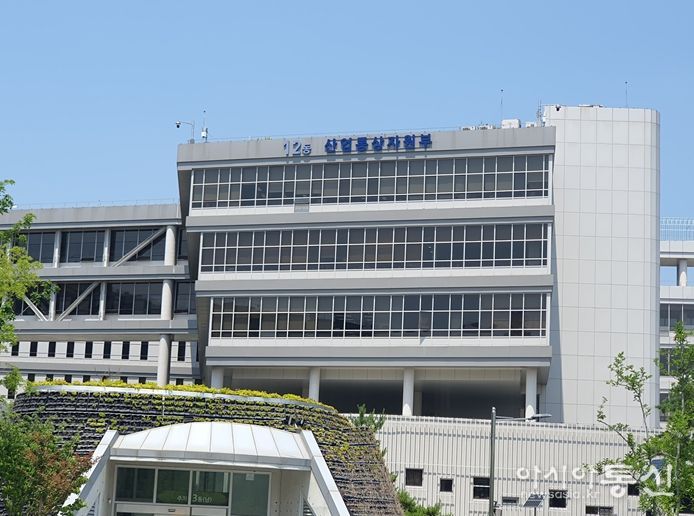
Scene from the Korea-Saudi Business Investment Forum - Expansion of Policy Financial Support: The government previously pledged $6 billion in financial support and the creation of a dedicated fund to strengthen competitiveness in securing large-scale Middle East infrastructure projects. This links with financial assistance through the Export-Import Bank of Korea (KEXIM) and others, acting as a factor that boosts Korean companies' chances of winning bids.
- Strengthening Industrial Cooperation Partnerships: A policy foundation was established through the signing of MOUs to strengthen resource and industrial cooperation partnerships between Korea and Saudi Arabia. Cooperation is emphasized across various fields such as crude oil stockpiling, oil pipeline infrastructure development, AI and digital transformation, and petrochemical material development, creating a favorable environment for domestic companies with relevant technical capabilities.
3. Early Risk Detection (Contract/Financial/Political)
- Cost Increases and Supply Chain Pressures: The Knight Frank report pointed out that cost increases and supply chain pressures are occurring across the Saudi project market as a whole. Caution is required as these can become major causes of declining project profitability and schedule delays.
- Project Delay Cases: Delays have been reported in some pipelines and other projects. Detailed data regarding specific reasons for delays or the scope of their impact requires further verification.
- No Specific Risks Today: Among materials released after October 6, 2026, no immediate risk signals such as defaults on payments or sudden political shifts have been identified. However, macroeconomic cost pressures must be continuously monitored.
4. Competitor Trends and Strategies
- Solidification of Samsung E&A's Middle East Standing: Samsung E&A recently secured a large fertilizer plant EPC order in Saudi Arabia, cementing its position as a powerhouse in Middle Eastern chemical engineering. Observers suggest high prospects for winning additional bids in other Middle Eastern countries such as Qatar.
- Domestic Companies' Standalone EPC Execution Capabilities: The capability to handle the entire process from design to construction—exemplified by Samsung E&A executing the Saudi SAN-7 project (valued at 4.7 trillion won) as a standalone EPC—serves as a core competitive edge. The integration of eco-friendly technologies, such as applying carbon capture units, is also emerging as a differentiating strategy.
- Necessity to Evolve into Joint Investments: Efforts to move beyond simple contract wins and solidify actual business capabilities and joint investments between Korean and Saudi enterprises are taking place through forums and other channels. This presents an opportunity to gain an advantageous footing in capital raising and local partnership building compared to competitor nations.
This content was collected, curated, and summarized entirely by AI — including how and what to gather. It may contain inaccuracies. Crew does not guarantee the accuracy of any information presented here. Always verify facts on your own before acting on them. Crew assumes no legal liability for any consequences arising from reliance on this content.
Powered by
