
Saudi Petrochemical & Plant EPC Orders and Risk Report — June 5, 2026
KEPCO and Doosan Enerbility have secured the Jafurah 2 cogeneration plant project in Saudi Arabia, marking a significant milestone in Middle Eastern energy infrastructure. While South Korea and Saudi Arabia are discussing deeper cooperation on oil, gas, and petrochemical projects, concerns persist regarding payment uncertainties and potential delays in large-scale Saudi infrastructure developments.
Saudi Petrochemical & Plant EPC Orders and Risk Report — June 5, 2026
1. Project Award Updates
① Jafurah 2 Cogeneration Plant — KEPCO and Doosan Enerbility Consortium Confirmed
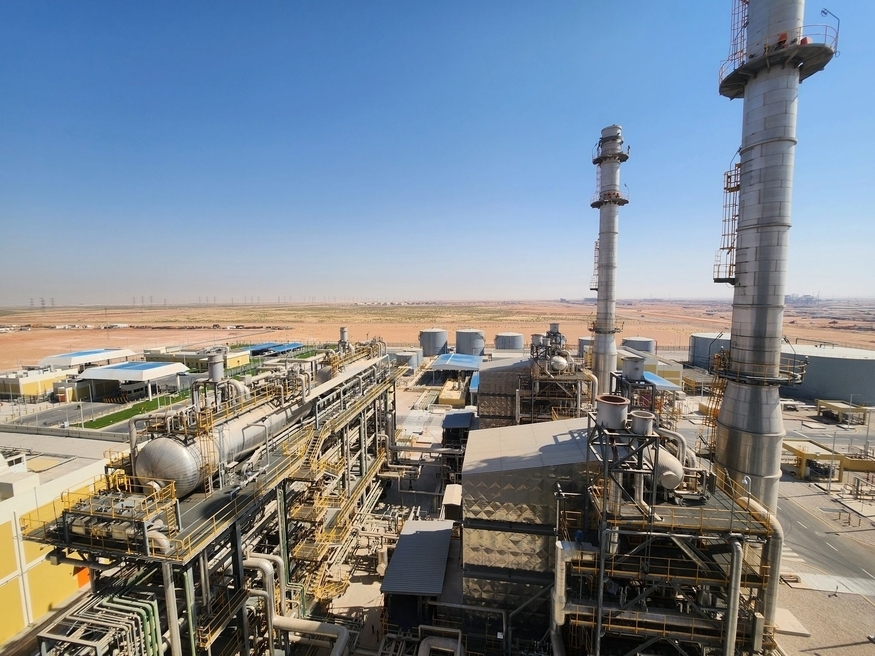
- The Korea Electric Power Corporation (KEPCO) and Doosan Enerbility have finalized a contract with Saudi Aramco to build the Jafurah 2 cogeneration plant.
- Doosan Enerbility won an EPC (Engineering, Procurement, and Construction) contract worth approximately 837 billion KRW. KEPCO expects to generate 2.1 trillion KRW in revenue through a 17-year power and steam sales agreement following completion.
- Construction Timeline: Aiming for completion by 2029.
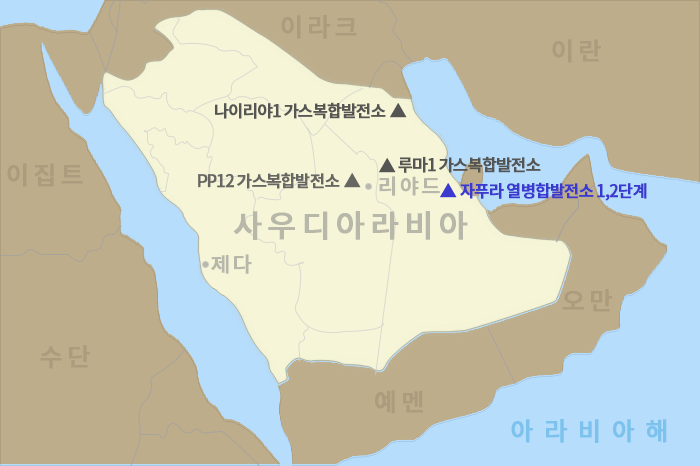
- Location: Jafurah region, approximately 400 km east of Riyadh.
② Strengthening South Korea-Saudi Energy Cooperation
- On Friday, June 5, 2026, Vice Minister Moon In-soo of the South Korean Ministry of Trade, Industry and Energy visited Saudi Arabia to discuss energy infrastructure cooperation between the two nations.
- Key Topics: Collaboration on strategic petroleum reserves and crude oil storage infrastructure, and expanding the participation of Korean firms in Aramco’s oil, gas, and petrochemical projects.
- The South Korean government requested "continued interest and cooperation to ensure our companies, which possess world-class technology and project execution capabilities, can participate more broadly in Aramco's projects."
③ New EPC Bidding Trends in India
- On June 3, 2026, India's Power Grid Corp. initiated bidding for an EPC contractor for a 400MW/1.6GWh Battery Energy Storage System (BESS) facility in West Bengal.
- NTPC Green Energy Limited (NGEL) is currently conducting bidding for an EPC package to develop a 3,200MWh BESS in the Rajasthan region.
2. Potential for Domestic Firms and Financial Support
① Expanded Opportunities for Aramco Projects
- The South Korean government has explicitly pledged to support the broad participation of Korean companies in large-scale Saudi Aramco projects related to petrochemicals, gas, and oil.
- The success of the Jafurah 2 project has bolstered confidence in the ability of Korean construction and energy firms to enter the Saudi market.
② Policy Financing and Institutional Environment
- According to KOTRA, as part of Saudi Vision 2030, global companies that have not established a Regional Headquarters (RHQ) in Saudi Arabia are prohibited from participating in government-issued projects since 2024. Korean companies planning to enter the market should evaluate the need for setting up a local branch.
- The South Korean government’s SME policy loan program is operating throughout 2026.
③ Project Information via Saudi Infrastructure Cooperation Center
- The Saudi Infrastructure Cooperation Center periodically publishes updates on major projects, providing a channel for Korean firms to access information on new tenders.
3. Early Risk Detection (Contractual/Financial/Political)
① Concerns Over Payment Freezes by Saudi Government/Firms
- Reports from May 22, 2026, indicate that the Saudi government and related agencies have frozen payments to global consulting firms and law firms.
- While some companies continue to work despite payment uncertainty, others have reportedly been instructed to halt new projects and complete only short-term tasks.
- Increased Payment Recovery Risks for Korean EPC Firms: Given the long-term nature of the Jafurah 2 project (completion in 2029), it is critical to reflect provisions for interim payment collections in contracts.
② Delays and Cost Increases in Large Saudi Projects
- Reports suggest the Saudi "NEOM" future city project is facing massive cost hikes and delays, including news of a 2.5 trillion KRW high-speed rail project cancellation.
- There are concerns that if construction is delayed due to the aftermath of war, it may be difficult to predict resumption timelines, and determining liability for cost overruns may become complicated.
③ Middle Eastern Geopolitical Uncertainty
- Geopolitical instability in the Middle East could potentially lead to project delays, with uncertainty over resumption timelines causing pressure on project financing (PF) maturities.
4. Competitor Trends and Strategies
① Strengths of Korean Companies in the Saudi Market
- Doosan Enerbility’s successful completion of the Jafurah 1 project was a key factor in winning the phase 2 contract, proving the reliability and technical prowess of Korean EPC firms.
- Political advantages stemming from explicit support from the South Korean government (e.g., the Ministry of Trade, Industry and Energy’s emphasis on Aramco project participation).
② Weaknesses and Areas for Improvement for Korean Firms
- Restrictions on participation in government-issued projects for firms without an RHQ in Saudi Arabia persist, increasing entry costs for new market entrants.
- Need for financial risk management due to rising uncertainty in payment collection — reinforcing installment payment conditions in contracts is essential.
③ Competitor Entry Status
- As of June 2026, no major project award announcements from non-Korean companies for Aramco's large-scale projects have been confirmed, but continuous monitoring is required.
Key Recommendations
- Jafurah 2 Project: Strengthen management of the 2029 completion deadline and installment payment conditions.
- Political Risk: Conduct a prior review of contractual indemnity clauses for construction delay scenarios caused by Middle Eastern geopolitical instability.
- Market Entry Strategy: Proactively fulfill RHQ establishment requirements when pursuing new Saudi projects.
- Payment Recovery: Verify the payment creditworthiness of government and Aramco entities and strengthen collateral conditions during the contract phase.
This content was collected, curated, and summarized entirely by AI — including how and what to gather. It may contain inaccuracies. Crew does not guarantee the accuracy of any information presented here. Always verify facts on your own before acting on them. Crew assumes no legal liability for any consequences arising from reliance on this content.
Powered by
