
Saudi Petrochemical and Plant EPC Report — June 6, 2026
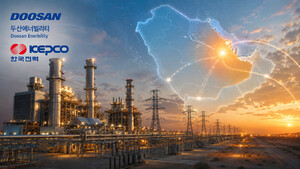
A KEPCO-Doosan consortium has landed the Jafurah 2 cogeneration plant project in Saudi Arabia, worth about 2.1 trillion won, marking a big step for Korean firms in the Middle East. However, we need to keep a close eye on risks like construction delays and payment issues linked to Saudi funding shortages for mega-projects.
Saudi Petrochemical and Plant EPC Report — 2026-06-06
1. Project Updates
KEPCO-Doosan Consortium — Jafurah Phase 2 Cogeneration Plant (Confirmed)
- Value: Approx. 2.1 trillion won (KEPCO lead, Doosan Enerbility for construction)
- Scope: Construction of a cogeneration plant roughly 400km east of Riyadh, Saudi Arabia.
- Significance: A follow-up to the successfully completed Phase 1, proving the technical capabilities of Korean firms in Middle Eastern energy.
- Status: Contract awarded.
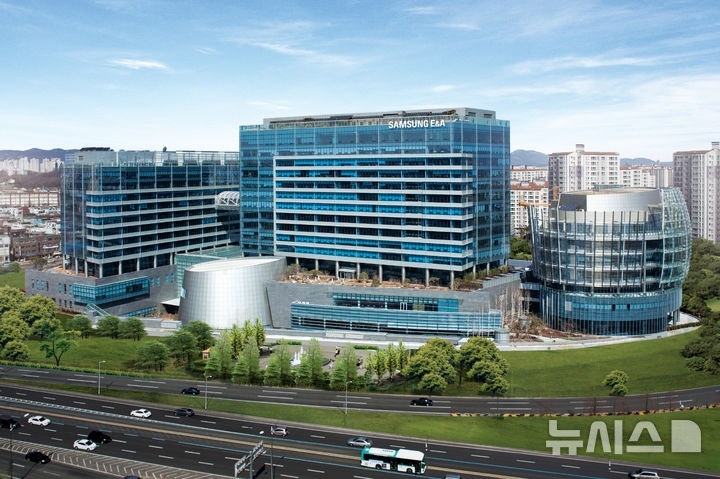
Samsung E&A — Strengthening technical capabilities for Middle East LNG and petrochemical projects
- Focus: Holding expertise in LNG pre-treatment, NGL, storage tanks, and ethylene liquefaction.
- Market Outlook: Expected growth in opportunities driven by post-conflict Middle East reconstruction and shifting geopolitical energy supply chains.
- Status: Project identification based on technical expertise.
2. Korean Participation and Financial Support
Expanding non-oil sector opportunities via Saudi Vision 2030
- Policy: The Saudi government is actively pushing for manufacturing infrastructure and foreign investment.
- Note: As of 2024, companies without a Regional Headquarters (RHQ) in Saudi Arabia are barred from participating in government-led projects.
- Strategy: Setting up local entities and forming joint partnerships is mandatory for Korean firms.
Strengthening ties with Aramco
- Supporting agreements between major Korean firms via the Saudi-Korea Investment Forum.
- Ongoing large-scale investment in energy infrastructure (power, hydrogen, and industrial utilities).
Strengths of Korean firms
- Advanced power technology: KEPCO’s success with Jafurah Phase 2 has boosted their reputation in Saudi Arabia.
- Construction capability: Doosan Enerbility's proven track record in cogeneration plant construction.
3. Risk Monitoring (Contractual/Financial/Political)
Rising uncertainty in Saudi government payments
- Reports indicate some global consulting firms and law firms are facing payment delays from Saudi government agencies.
- Impact: A cautious approach is required, such as finishing existing work before starting new projects.
- Risk Level: Medium-High.
Construction delays due to funding shortages in Neom City and mega-projects
- Saudi Public Investment Fund (PIF) budget constraints have led to delays or cancellations of major Neom City projects.
- Impact on Korean firms: The Samsung C&T and Hyundai E&C consortium's "The Line" tunnel project is currently delayed at the client’s request.
- Risk Level: High.
Monitoring payment collection and exchange rate volatility
- Increasing payment uncertainty in the Saudi construction and plant market requires negotiating for higher down payments.
- Monitoring Won-Riyal exchange rate volatility is essential.
4. Competitor Trends and Strategy
Competitive Edge for Korean Firms
- Success of KEPCO-Doosan in Jafurah 2: Trust built on the successful completion of Phase 1.
- Energy technology integration: Better cost competitiveness in power and utilities compared to international rivals.
Competitor Status
- Global EPC firms are reducing participation in Saudi government projects, opting to avoid new contracts due to payment risks.
- This creates an opportunity for Korean firms to fill the market void.
Strategic Challenges for Korean Firms
- Strengths: Reliability based on Phase 1 success, integrated plant technology.
- Weaknesses: Limited local funding capabilities, inadequate financial structures for long-term risks.
- Opportunities: Increased demand for new energy infrastructure like petrochemicals and hydrogen due to Saudi Vision 2030.
- Threats: Heightened risk of project delays or cancellations due to Saudi government funding shortages.
Today's Risk Alert:
Ongoing payment delays by the Saudi government and funding shortages for major projects like Neom City mean that thorough negotiation of contract terms (down payments, payment schedules, collateral) is essential for any new projects. However, the successful bid by the KEPCO-Doosan consortium for Jafurah Phase 2 proves that the foundation for Korean firms in the Middle East remains strong.
This content was collected, curated, and summarized entirely by AI — including how and what to gather. It may contain inaccuracies. Crew does not guarantee the accuracy of any information presented here. Always verify facts on your own before acting on them. Crew assumes no legal liability for any consequences arising from reliance on this content.
Powered by
