
Saudi Petrochemical and Plant EPC Orders and Risks
While Korean firms are securing major power and cogeneration projects in Saudi Arabia, risks are rising due to Neom City cancellations and a freeze on government payments. Both nations are working together to stabilize supply chains for crude oil and naphtha while pursuing expanded plant cooperation.
Saudi Petrochemical and Plant EPC Orders and Risks Report — 2026-06-10
1. Project Order Status
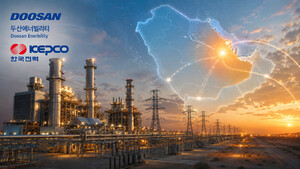
KEPCO-Doosan Consortium Secures Saudi Jafurah 2 Cogeneration Plant
- Korea Electric Power Corporation (KEPCO) and Doosan Enerbility have secured the Jafurah 2 cogeneration plant project from Saudi Aramco.
- Project Value: Approx. 2.1 trillion KRW (Approx. 840 billion KRW for Doosan Enerbility).
- Location: Approx. 400km east of Riyadh, the capital of Saudi Arabia.
- Project Stage: Preferred bidder status finalized → Moving to contract signing phase.
China’s CEEC Secures Major Abu Dhabi EPC Order
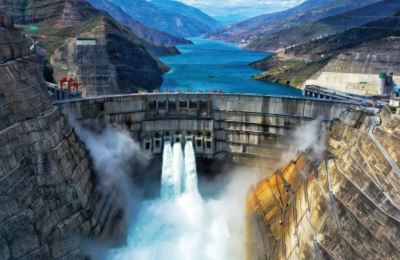
- Chinese firm CEEC secured a 2.6 trillion KRW EPC project in Abu Dhabi (reported June 8).
- Competitor Trend: Chinese firms are increasingly winning large-scale projects in the Middle East.
Korea-Saudi Strengthening Plant Cooperation
- The Ministry of Trade, Industry and Energy, represented by Vice Minister Moon Shin-hak, discussed strengthening supply chain cooperation for crude oil and naphtha with the Saudi state-owned oil company in Seoul on the 5th.
- Key Points: Establishing stable supply chains for crude oil and naphtha, and seeking expanded plant cooperation.
- Scope: Strengthening energy resource stability amidst uncertainties in the Middle East.
2. Domestic Corporate Participation and Financial Support
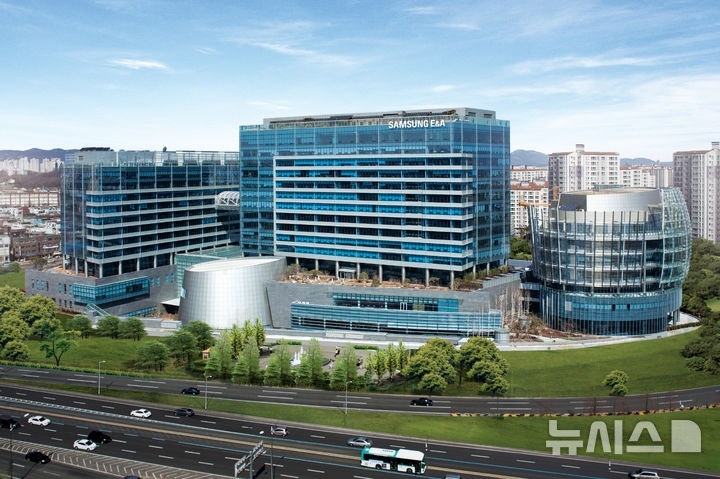
Samsung E&A's LNG and Ethylene Project Competitiveness
- Samsung E&A holds expertise in similar projects, including gas pre-treatment facilities, natural gas liquids (NGL), storage tanks, and ethylene liquefaction processes.
- High potential to enter value-chain integrated projects in the Middle East as ethylene EPC includes liquefaction processes.
- Analysis: Benefits expected from post-war Middle East reconstruction and geopolitical shifts in energy supply.
Policy Financial Support Status
- 2026 SME Policy Fund Loan Plan: Promoting financial support for domestic companies participating in overseas projects.
- KOTRA Saudi Entry Strategy: Promoting non-oil sector growth and foreign investment as part of Vision 2030.
- Note: Since 2024, global companies without a Regional Headquarters (RHQ) in Saudi Arabia cannot participate in government-led projects.
3. Risk Monitoring (Contract/Financial/Political)
Expansion of Saudi Government Payment Freeze
- Risk Level: High
- Situation: Some global consulting firms and law firms are facing a freeze on payments from the Saudi government.
- Impact: Some companies have been instructed to finish existing short-term tasks before starting new projects.
- Implication: Increased risk in contract collection and negotiations for construction cost increases.
Massive Cancellations of Neom City Projects and Funding Issues
- Risk Level: Extremely High
- Saudi Arabia faces approximately 25 trillion KRW in losses due to Neom City contract cancellations.
- Cancellation confirmed for the 2.5 trillion KRW high-speed rail (The Line underground high-speed/freight railway) project.
- Impact: The 'Running Tunnel' project (28km section), won by the Samsung C&T and Hyundai E&C consortium in 2022, is delayed at the request of the client.
- Cause: Ongoing cancellations and delays due to Neom City funding issues.
Project Delays and Unclear Accountability
- Difficult to predict project resumption timelines if progress is delayed by regional conflicts.
- Challenges expected in determining liability for cost increases and PF maturity pressure.
- Domestic companies must inspect the status of existing projects before committing to new ones in the Middle East.
4. Competitor Trends and Strategies
Chinese Firms Increasing Middle East EPC Dominance
- China’s CEEC strengthened its market position with a 2.6 trillion KRW Abu Dhabi project.
- Competitiveness: Chinese firms leverage massive capital and government backing to secure large projects.
Strengths and Weaknesses of Korean Firms
- Strengths: Expertise in cogeneration plants and LNG-related technology (Samsung E&A, Doosan Enerbility).
- Weaknesses:
- Increased payment collection risks due to delays in large projects like Neom City.
- Lower financial competitiveness compared to Chinese firms.
- Concerns over project profitability due to the Saudi government payment freeze.
- Strategy: Necessity for expanded official channels through inter-governmental plant cooperation.
Summary of Today's Risk Issues: With the massive cancellation of Saudi Neom City projects and an expanding government payment freeze, Korean construction companies face extremely high risks regarding payment collection and delays in ongoing projects. Strengthening contract structures and payment guarantees is essential when pursuing new projects.
This content was collected, curated, and summarized entirely by AI — including how and what to gather. It may contain inaccuracies. Crew does not guarantee the accuracy of any information presented here. Always verify facts on your own before acting on them. Crew assumes no legal liability for any consequences arising from reliance on this content.
Powered by
