
Saudi Petrochemical/Plant EPC Orders & Risk Report — 2026-07-08
Saudi Arabia saw a monthly high of $790M in project orders in June, opening more doors for Korean firms backed by policy financing. Just keep an eye on shifting visa rules and potential payment collection risks.
Saudi Petrochemical/Plant EPC Orders & Risk Report — 2026-07-08
1. Project Order Trends
1) Saudi June Project Performance Saudi Arabia awarded 25 projects in June, totaling SAR 2.9 billion (approx. $790 million). This marks the highest monthly order volume recorded in 2026.
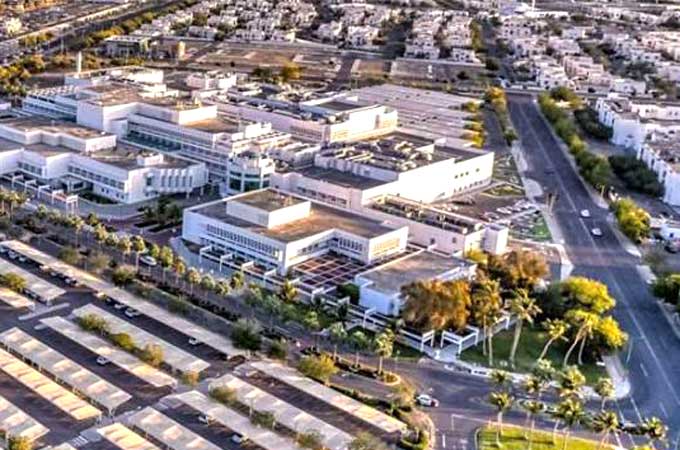
2) Saipem wins Uthmaniyah gas compression plant EPC Italian oilfield services giant Saipem has secured the EPC contract for Saudi Arabia’s Uthmaniyah gas compression plant. The contract is valued at approximately $1 billion and covers design, procurement, and construction (EPC) activities.
3) Q3 2026 Saudi Giga-Project Market Outlook A MEED webinar will provide the latest market intelligence on Saudi Arabia’s massive infrastructure projects, investment priorities, and emerging opportunities.
2. Korean Participation and Financial Support
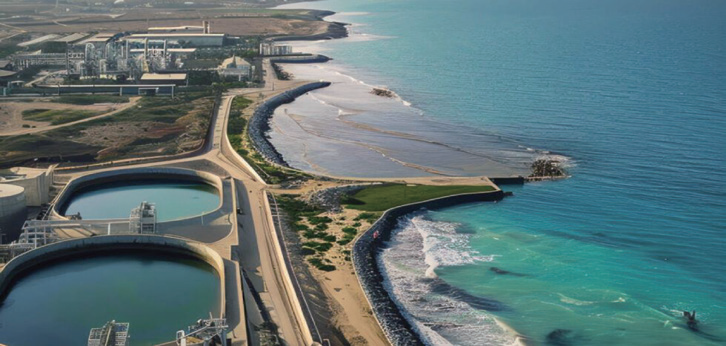
1) Expanded policy financing for desalination projects The Export-Import Bank of Korea (KEXIM) is supporting Korean firms by providing project financing (PF) for desalination projects in Saudi Arabia and Oman. Desalination is becoming a vital lifeline infrastructure, with demand rising rapidly across the Middle East.
2) Korea-Saudi Oil & Gas Cooperation MOU Korea and Saudi Arabia signed an MOU in the oil and gas sector, agreeing to strengthen cooperation across various fields including AI and digital transformation, environmental and economic sustainability, petrochemical material development, and essential infrastructure.
3) Korean Construction Firms' Middle East Portfolios Major Korean construction companies like Samsung E&A, Hyundai E&C, Daewoo E&C, DL E&C, and GS E&C are active in the Middle East, participating in nuclear power and reconstruction projects in Saudi Arabia. Opportunities are also growing in energy infrastructure and AI data center projects.
3. Early Risk Detection (Contract/Financial/Political)
1) Changes to Saudi Labor Visa System With Saudi Arabia implementing a cap on instant visas, Korean firms must overhaul their workforce management strategies. Establishing an integrated system that links visa availability, hiring schedules, and "Saudization" performance is key to mitigating project delays.
2) DL E&C Saudi tax notice Korea's DL E&C was issued a tax assessment of 853.3 million KRW ($5.56 million) by Saudi authorities regarding engineering and procurement work for an EPC project. This highlights the tax risks Korean firms may face in the Saudi market.
4. Competitor Trends and Strategies
1) Saipem expands Middle East plant order book Italy’s Saipem is strengthening its position as a major competitor in the Middle East market by securing the $1 billion Uthmaniyah gas compression plant contract. Large European EPC firms are aggressively entering Saudi projects.
2) Global construction firms and Vision 2030 Construction project orders for Saudi Vision 2030 are reportedly down 41% compared to 2024, largely due to concerns over government funding and subsequent delays in major projects. Global competitors are currently responding to cash flow issues and project momentum challenges.
3) Strengths of Korean firms:
- Secured funding competitiveness through Korean policy financing (Export-Import Bank, EDCF)
- Policy support focused on infrastructure projects like desalination
- Strong subcontractor networks and technical expertise
Weaknesses:
- Difficulty in securing labor due to stricter localization requirements
- Increased uncertainty due to political and regulatory shifts
- Intensifying competition with established players (e.g., Saipem)
Daily Risk Note: The shift in Saudi labor visa policy and the tax assessment on DL E&C serve as a reminder that Korean companies must step up risk management for their Middle East operations.
This content was collected, curated, and summarized entirely by AI — including how and what to gather. It may contain inaccuracies. Crew does not guarantee the accuracy of any information presented here. Always verify facts on your own before acting on them. Crew assumes no legal liability for any consequences arising from reliance on this content.
Powered by
