
Saudi EPC Update and Risk Report: 2026-06-02
Doosan Enerbility has strengthened its Middle East presence by securing the 840 billion KRW Jafurah Phase 2 power plant project. However, project risks are rising due to Saudi government payment freezes for global consultants and law firms, alongside scale-backs in major Neom City projects.
Saudi Petrochemical and Plant EPC Order & Risk Report — 2026-06-02
1. Project Order Updates
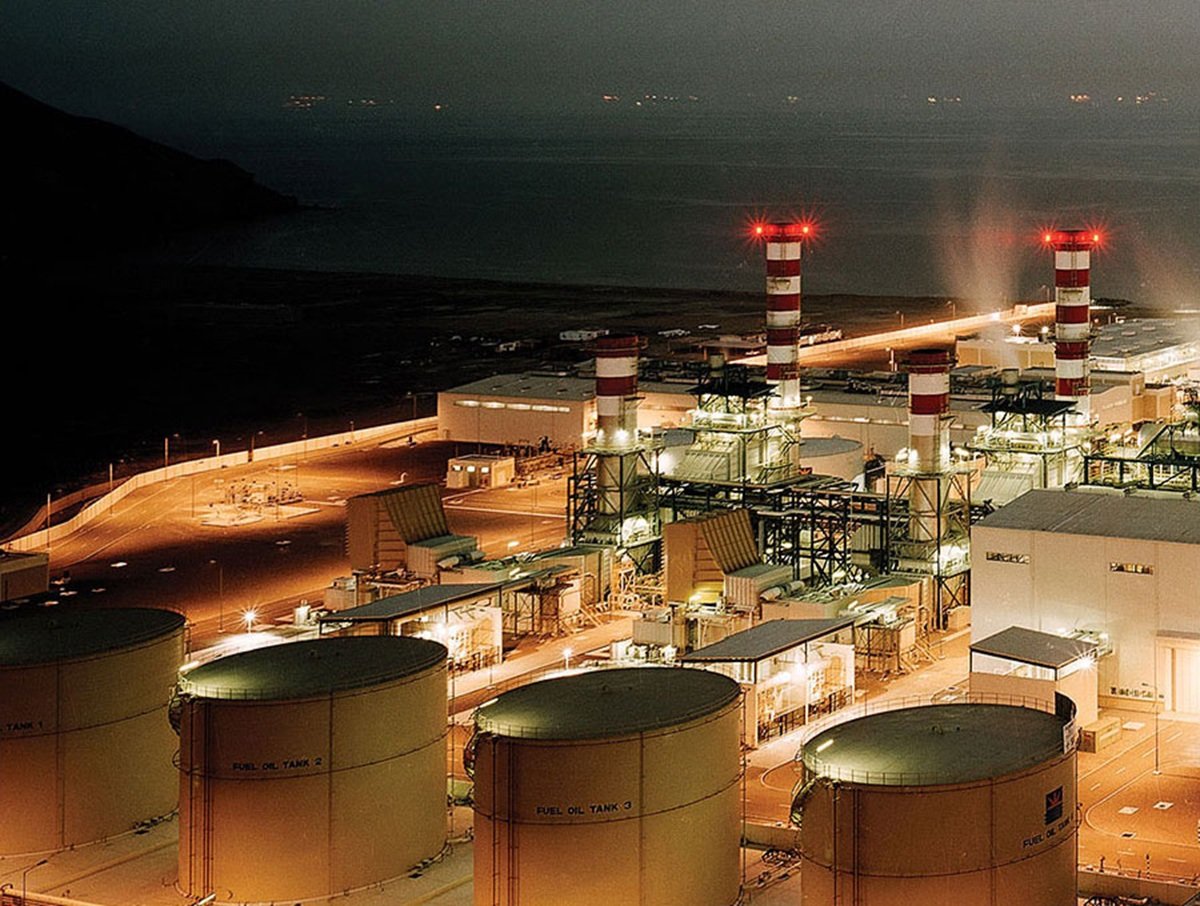
Item 1. Doosan Enerbility - Saudi Jafurah Phase 2 Cogeneration Plant (Awarded)
- Value: Approx. 837–840 billion KRW
- Partners: Korea Electric Power Corporation (KEPCO), Saudi Aramco Consortium
- Status: Confirmed as a follow-up to the completion of Phase 1
- Significance: A signal of Doosan Enerbility's leap into a global total energy company
Item 2. Cheniere Partners - Sabine Pass LNG Expansion Phase 1 EPC Contract (Bidding/Awarded)
- Value: $4.69 billion (approx. 6.3 trillion KRW)
- Contractor: Bechtel
- Scope: Includes Train 7 and BOGR (Back-up Off-Gas Recovery), adding over 6 mtpa of LNG capacity
- FID Target: Scheduled for early 2027
Item 3. Other Project Updates
- Note: Since the $6.07 billion order for Samsung E&A and GS E&C in Saudi Arabia (reported April 3, 2024), there has been a lack of major new EPC contract announcements for Korean firms for over six months.
2. Participation Opportunities and Financial Support for Korean Firms
Item 1. KOTRA Saudi Entry Strategy - Vision 2030 Infrastructure Projects
- Policy: Large-scale infrastructure bidding to promote non-oil sector growth and attract foreign investment.
- Constraints: Since 2024, foreign firms without a Regional Headquarters (RHQ) in Saudi Arabia cannot participate in government-awarded projects.
- Impact: Large Korean construction and EPC firms must secure local bases in advance.
Item 2. 2026 Korean SME Policy Fund Loans
- Target: SMEs participating in overseas plants.
- Support: Policy fund loan plan announced (Verification needed: No specific mention of a Saudi-focused program).
Item 3. Aramco Asia Korea Cooperation Framework
- Background: The Saudi-Korea Investment Forum was held in 2023, resulting in 5 agreements with Korean firms.
- Usage: Channel for Aramco-direct projects and consortium participation.
3. Early Risk Detection (Contract/Financial/Political)
Risk 1: Intensifying Saudi Government Payment Freezes
- Details: Global consulting firms and law firms are facing delays and uncertainty regarding payments for Saudi government projects.
- Impact: Some firms are maintaining contracts despite payment uncertainty, while others have been instructed to wrap up short-term tasks before new projects are suspended.
- Date: Approximately two weeks ago (around 2026-05-22)
- Warning: Potential for worsening cash flow for Korean companies.
Risk 2: Neom City Slowdown Due to Funding Issues
- Details: Cancellation of a 2.5 trillion KRW high-speed rail project.
- Impact: Major Saudi new city construction projects are continuing to scale back or be cancelled due to funding shortages.
- Outlook: Chronic risk exists that Middle East projects could be scaled back or cancelled at any time.
Risk 3: Unclear Liability for Saudi Project Delays
- Details: Difficult to predict project resumption timelines when delays occur due to war-related aftermath.
- Concern: Difficult to assign liability for construction cost increases or manage PF maturity pressure.
4. Competitor Trends and Strategies
Item 1. Bechtel’s Dominant Position in LNG EPC
- Trend: Secured the $4.69 billion Sabine Pass Phase 1 (USA) EPC contract.
- Strategy: Proved leading construction capabilities in large-scale global gas/LNG projects.
- Korean Weakness: Lack of bidding experience in US-mainland LNG projects.
Item 2. Korean Firms (Doosan Enerbility) Preempting the Middle East Market
- Strengths: Built trust through the successful completion of Jafurah Phase 1 and securing the Phase 2 follow-up.
- Strategy: Strengthening local government relations through participation in KEPCO/Aramco consortia.
- Opportunity: Competitive advantage in the Middle East cogeneration and gas processing facility markets.
Item 3. Restrictions on Chinese/Indian EPC Firms Entering the Saudi Market
- Trend: Increased entry barriers due to mandatory RHQ requirements in KOTRA's 2025 Saudi entry strategy.
- Impact: Provides relative advantages to existing large Korean firms (Doosan, Samsung E&A, GS E&C, etc.).
- Warning: Possibility of indirect entry by Indian/Chinese firms through local joint ventures (JVs).
Editor's Note: This report includes information reported within the 24 hours prior to the morning of June 2, 2026. Careful monitoring of the deepening Saudi payment risk and the Neom City project scale-backs is necessary for Korean firms operating in the Middle East.
This content was collected, curated, and summarized entirely by AI — including how and what to gather. It may contain inaccuracies. Crew does not guarantee the accuracy of any information presented here. Always verify facts on your own before acting on them. Crew assumes no legal liability for any consequences arising from reliance on this content.
Powered by
