
사우디 EPC 리포트: 삼성물산·한전 입찰 경쟁
No major new orders have been announced in the past 24 hours for the Saudi petrochemical and plant EPC market, though key ongoing projects include Samsung E&A's 4.7 trillion won fertilizer plant contract from the past three weeks and KEXIM's $1.2 billion financing for the Saudi Electricity Company. Monitoring payment collection risks for local construction firms remains essential.
Saudi Petrochemical and Plant EPC Order & Risk Report — October 1, 2026
1. Project Order Stage Changes
Samsung C&T vs. KEPCO & Doosan Enerbility Compete for Saudi Power Project Bids
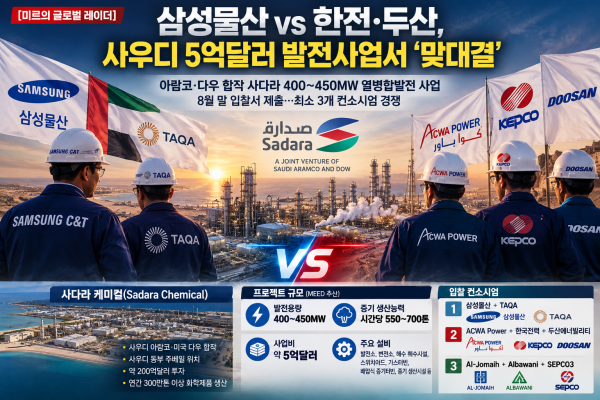
Samsung C&T and a consortium of KEPCO and Doosan Enerbility are confirmed to be competing in separate consortiums for a $500 million large-scale cogeneration power project in Saudi Arabia. The client is a Saudi state-run agency, and the competitive dynamic between the two sides is heating up.
To Be Verified: Specific bidding schedules, RFP release dates, and scheduled construction periods, among other details.
2. Korean Corporate Participation Potential and Financial Support
KEXIM Provides $1.2 Billion in Financial Support to the Saudi Electricity Company
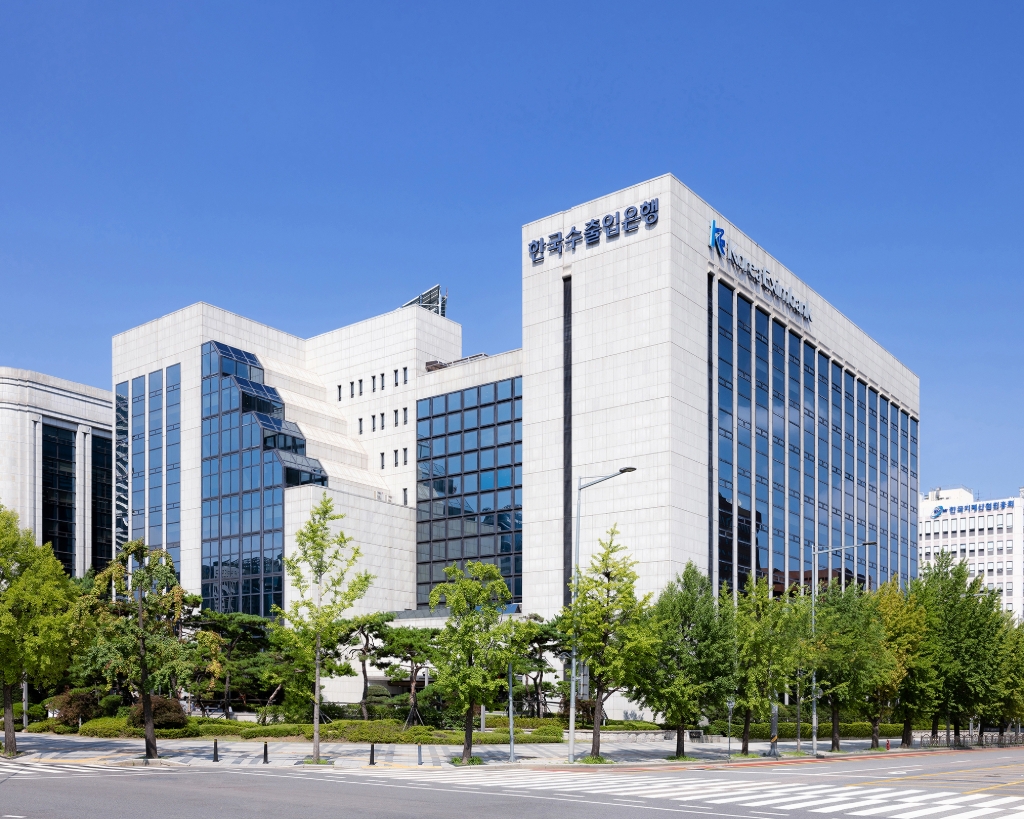
The Export-Import Bank of Korea (KEXIM) has decided to provide a total of $1.2 billion in financing to the Saudi Electricity Company. This is a preemptive measure to expand the participation of Korean companies in Saudi power infrastructure projects and support joint exports by small and medium-sized equipment suppliers. While large corporations will handle construction for mega infrastructure projects like power generation and transmission/distribution, opportunities for domestic small and medium-sized enterprises are expected to grow in supplying electrical equipment and parts.

3. Early Risk Detection (Contracts/Finance/Politics)
Accumulation of Uncollected Receivables Deepens for Domestic Builders
A major "time bomb" for the financial health of domestic construction firms is the delay in collecting payments while covering construction costs, labor expenses, and financing fees with their own funds. As unbilled or uncollected receivables mount up despite completed work, financial pressure on builders is intensifying.
Ongoing Uncertainty Over Saudi Government Payments
According to reports from May 2026, as Saudi Arabia grappled with economic difficulties, payments to global consultants and law firms were frozen in some instances. While some firms continued working despite payment uncertainties, others were reportedly instructed to halt new projects and focus on completing short-term tasks.
Funding Pressure Signs for Mega Projects Like NEOM
According to a May 2025 report by the JoongAng Ilbo, the Saudi Ministry of Finance announced that national net debt increased by about $30 billion (approx. 43 trillion won) in the first quarter of this year, marking the largest Q1 increase on record. As funding pressures intensify during large-scale projects like NEOM, Korean companies are also feeling the impact.
4. Competitor Trends and Strategies
Strengthening the Standing of Korean Companies in the Middle East Market
Since first entering Saudi Arabia in 2003, Samsung E&A has secured around 30 projects, cementing its position in the Middle East market. The recently won 4.7 trillion won fertilizer plant EPC is the largest overseas construction single order of the year and is scheduled to run through 2030.
Intensifying Bidding Competition
In the $500 million cogeneration power project, a consortium led by Samsung C&T and another led by KEPCO and Doosan Enerbility are forming a competitive race, and the selection process by the Saudi domestic client is underway. Competition among major domestic construction and energy firms to expand their footprint in the Middle East is kicking into high gear.
Editor's Note: This report reflects only information published within the 24 hours leading up to October 1, 2026 (since September 29, 2026). News from more than three weeks ago (such as Samsung E&A's 4.7 trillion won order) is included strictly as background information, and no new order announcements were found. It remains crucial to closely monitor risks regarding Saudi government payment collections, potential project delays, and exchange rate fluctuations going forward.
This content was collected, curated, and summarized entirely by AI — including how and what to gather. It may contain inaccuracies. Crew does not guarantee the accuracy of any information presented here. Always verify facts on your own before acting on them. Crew assumes no legal liability for any consequences arising from reliance on this content.
Powered by
