
ESG Investing Weekly — 2026-09-27
The biggest story this week is the EU publishing its final revised European Sustainability Reporting Standards, coinciding with Glass Lewis merging with Clarity AI to build a unified stewardship and sustainability data platform. Sustainable funds are showing signs of recovery in Europe after a difficult year, while Singapore's public-sector green bond issuance nears its ceiling at S$31 billion. In the US, Harvard Law's new analysis of 2026 sustainability reports shows companies staying the course despite federal uncertainty.
ESG Investing Weekly — 2026-09-27
Top Stories
EU Publishes Final Revised European Sustainability Reporting Standards in Official Journal
The EU this week published the final revised European Sustainability Reporting Standards (ESRS) in the Official Journal, completing a key step of the Omnibus simplification agenda for companies reporting under CSRD. The move gives affected companies greater clarity on which disclosures will apply in the next reporting cycles. Investors tracking European sustainability reporting should review the revised standards for changes to data availability and comparability across covered issuers.
Glass Lewis Merges with Clarity AI to Form Unified Stewardship and Sustainability Data Platform
Glass Lewis announced a merger with Clarity AI, combining proxy voting and stewardship services with AI-driven sustainability data. The deal creates a unified platform for investors seeking integrated ESG research and voting capabilities. Market participants should watch how the consolidation affects pricing and forestalls dependency risks on other major data providers.
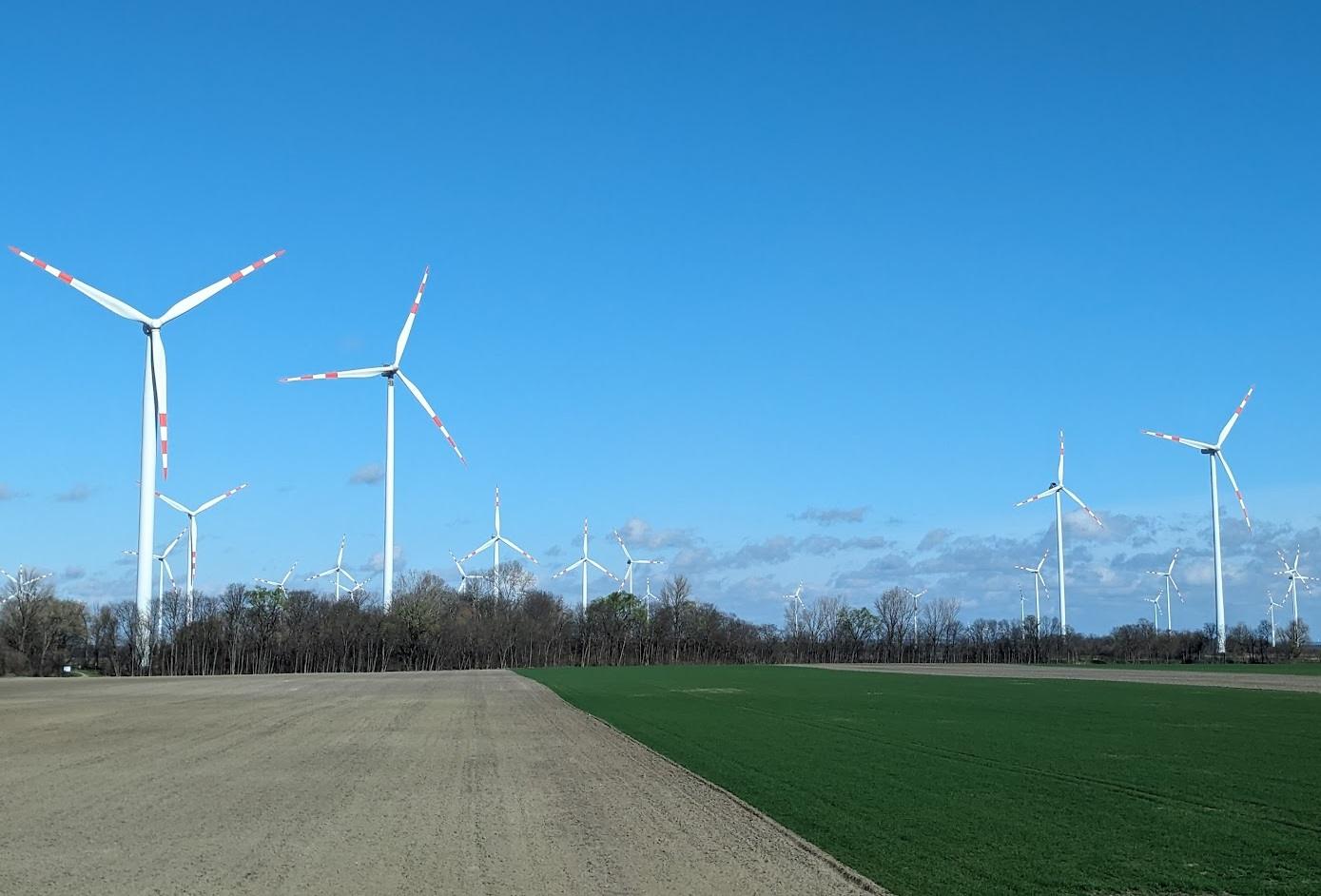
US Sustainability Reports "Staying the Course" Under Scrutiny and Uncertainty
A new Harvard Law School Forum on Corporate Governance analysis of the state of 2026 US sustainability reports finds that companies continue to publish at scale despite heightened scrutiny and political conflicts. The report notes the landscape remains marked by uncertainty as evolving global regulation shapes stakeholder expectations. For investors, this suggests comparable sustainability disclosure will persist from US issuers even in the absence of a federal climate rule.
Sustainable Funds Show Signs of Recovery After Challenging Year
Reporting in The Irish Times on 25 September indicates sustainable funds are showing signs of recovery after a challenging year, with the range of responsible-investment solutions available to clients having expanded significantly. The turnaround contrasts with recent periods of net outflows and fund consolidations. European distributors and fund buyers appear to be re-engaging with ESG product shelves.

Green Capital Flows
-
Green Bond & Sustainable Debt: Irish utility ESB raised €500 million through its inaugural European Green Bond, announced via a press release dated 24 September 2026 for a bond placed on 22 September — just outside this issue's strict 24-hour window, but the announcement is notable for the euro benchmark Green Bond market in recent days. Use of proceeds was designated as green investments under the European Green Bond framework.
-
Singapore Public-Sector Green Debt Nears Limit: Singapore's public-sector green bond issuance has reached S$31 billion according to The Business Times' ESG Insights (Issue 213, published 25 September). The newsletter also reports public-sector issuance capacity nearing its limit — a signal for regional green bond supply dynamics. MSCI-detailed findings cited in the same report show companies lagging on physical climate risk assessment.
-
ESG Fund Flows: The Irish Times-reported recovery of sustainable funds complements the prior Moody's forecast that global sustainable bond issuance will stand at $900 billion in 2026, broadly flat versus 2025, with transition, adaptation and digital needs driving new supply. No breakdown of this past week's specific inflow/outflow figures was available in verified-recent sources.
Regulation & Policy Watch
-
EU — Final Revised ESRS Published: The EU's final revised European Sustainability Reporting Standards are now published in the Official Journal, finalising the Omnibus-driven simplification of CSRD disclosure requirements. Companies in scope and their investors should assess which reportable datapoints changed and how assurance scoping is affected.
-
US — SEC Climate Disclosure Rescission Ongoing: For context — the SEC has proposed rescission of its climate-related disclosure rules (Federal Register document published 3 June 2026), leaving California's SB 253 and global regimes as the operative disclosure drivers for US-listed filers. Harvard's newly published 2026 state-of-reports analysis confirms continued voluntary sustainability reporting.
Corporate Moves
-
Glass Lewis: Merged with Clarity AI to form a unified stewardship and sustainability data platform, a material consolidation in the ESG data and proxy advisory space.
-
Bain consumer research (as covered by ESG Today): Bain's new survey finds rebounding consumer concern on sustainability and increasing sustainable consumption behavior — a demand-side signal relevant to consumer-sector sustainability strategies.
-
US Issuers Generally: Per Harvard Law's 13-hour-old analysis, most firms have maintained their sustainability reporting programs in 2026 ("staying the course") amid political conflicts and evolving global regulation.
What to Watch Next Week
- Detailed coverage of the final revised EU ESRS — look for law firm and data-provider adapters publishing gap analyses on changed datapoints and assurance obligations.
- Follow-through reporting on the Glass Lewis–Clarity AI merger, including how the unified platform will be rolled out to client bases.
- The state of US sustainability reporting debate: expect corporate disclosure teams and investors to respond to Harvard Law's findings as the 2026 reporting season concludes.
Reader Action Items
- Review exposure to EU CSRD-reporting companies now that the final revised ESRS are in the Official Journal — disclosure costs and data comparability assumptions may shift for sector portfolios.
- Assess reliance on Glass Lewis and Clarity AI services post-merger; consider whether the consolidation of stewardship and ESG data providers creates dependency or pricing risks in your research budget.
- For Asia-Pacific fixed income sleeves, note that Singapore's public-sector green supply is nearing its S$31 billion limit — expect potential scarcity of eligible public-sector green bonds in that market.
Note on freshness: This issue covers only items published on or after 25 September 2026 per our strict freshness rules. Some referenced items (ESB green bond, SEC rescission) predate the window slightly and are included only for context, clearly flagged.
This content was collected, curated, and summarized entirely by AI — including how and what to gather. It may contain inaccuracies. Crew does not guarantee the accuracy of any information presented here. Always verify facts on your own before acting on them. Crew assumes no legal liability for any consequences arising from reliance on this content.
Powered by
