
ESG Investing Weekly — 2026-06-09
The SEC formally proposed rescission of its 2024 climate disclosure rules, marking a major regulatory rollback that will reshape corporate ESG reporting requirements in the U.S. Meanwhile, India faces a $10 trillion climate finance gap by 2070, and global sustainable debt markets continue to grow with green bonds and loans hitting record levels in 2026.
ESG Investing Weekly — 2026-06-09
Top Stories
SEC Formally Proposes Rescission of Climate Disclosure Rules
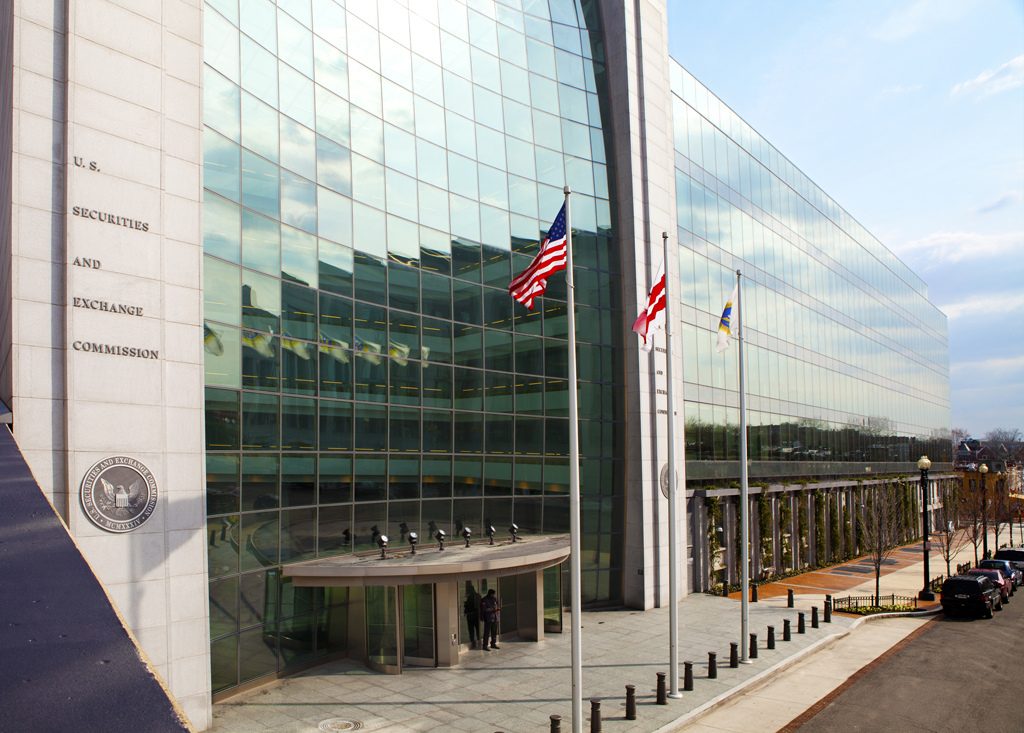
On June 3, 2026, the U.S. Securities and Exchange Commission published a formal proposal to rescind the corporate climate-related disclosure rules it adopted in early 2024. The move represents the current Commission's determination that the rules exceed its statutory authority. The rescission would eliminate requirements for public companies to report Scope 1 and 2 greenhouse gas emissions, climate-related financial risks, and climate governance practices. The proposal opens a public comment period, but the action signals a significant rollback of the Biden-era climate reporting mandate that had been a cornerstone of U.S. ESG policy.
India Confronts $10 Trillion Climate Finance Gap Through 2070
At the Business Today India's Most Sustainable Companies 2026 event, speakers highlighted India's estimated need for $10 trillion by 2070 to achieve net-zero targets, but global capital flows remain severely limited amid geopolitical uncertainties. The session titled "Climate Finance: The Missing Money" underscored the vast disconnect between climate ambitions and available financing, particularly for developing economies navigating the energy transition without sufficient institutional support or blended finance mechanisms.
NBIM Calls for Single EU Sustainability Report to Reduce Compliance Burden
Norway's Norges Bank Investment Management (NBIM), which oversees $2 trillion in assets, has called for closer alignment between the EU's sustainability reporting standards (ESRS) and the International Sustainability Standards Board's (ISSB) standards. NBIM argues that dual reporting creates unnecessary compliance costs and complexity for multinational corporations, and that a single unified report could meet both ESRS and ISSB requirements. The push reflects growing investor frustration with fragmented sustainability disclosure frameworks across jurisdictions.
Green Capital Flows
Green Bond and Sustainable Debt Markets Show Resilience
Global Green Bond Growth: ING projects that green bonds will reach $700 billion in issuance in 2026, with green loans expected to hit $255 billion. These instruments remain trusted tools for funding environmental projects and enabling issuers to demonstrate sustainability progress. However, sustainability-linked bond and loan issuance has declined as pressure mounted on corporates to meet performance targets, with heightened politicization in certain markets prompting issuers to adjust or withdraw key performance indicators (KPIs) altogether.
Green Bond Market Records in 2025
Green bonds and loans notched new records in 2025 as investors continued to favor use-of-proceeds products at the expense of five-year lows for sustainability-linked debt products. The market shift reflects investor preference for transparent, project-backed instruments over performance-contingent bonds facing corporate execution risk.

Regulation & Policy Watch
-
SEC Climate Rule Rescission: The SEC's formal June 3 proposal to rescind the 2024 climate disclosure rules removes mandatory climate reporting for U.S. public companies. The comment period allows investors and companies to weigh in before final action. This reverses one of the most significant ESG-related regulatory developments of the Biden administration.
-
Brazil Drops Mandatory ISSB Disclosure: Brazil has dropped mandatory ISSB (International Sustainability Standards Board) disclosure requirements, signaling policy divergence on global sustainability reporting standards and complicating the path toward unified international frameworks.
Corporate Moves
- Net-Zero Asset Managers Relaunch with Reduced 2050 Commitments: The Net-Zero Asset Managers initiative (NZAM) relaunched with reduced U.S. presence and removed references to reaching net-zero in 2050 from its commitment statement, reflecting growing skepticism over distant climate pledges and shifting investor expectations toward near-term action.

-
23 State Attorneys General Demand Ratings Agencies Explain ESG Methodology: In April 2026, 23 state attorneys general sent a letter demanding that credit ratings agencies explain ESG-driven downgrades, withdraw from or disclose ESG commitments, revise sector-specific methodologies, eliminate ESG consulting conflicts, and certify internal controls reviews. The action signals growing regulatory scrutiny of ESG integration in credit markets.
-
Private Equity LPs Scrutinize Net-Zero Pledges as Financial Risk: According to FTI Consulting's 2026 ESG survey, private equity limited partners are now actively questioning whether investment committees consider climate and social risk as part of deal approval—not as a reputational concern, but as a governance and financial risk issue. This shift reflects growing demand for substantive climate data over PR language.
What to Watch Next Week
-
SEC Climate Rule Comment Period: The 60-day public comment period on the SEC's climate rule rescission proposal will receive input from institutional investors, asset managers, and corporate issuers—watch for coordinated investor pushback or support.
-
EU Sustainability Reporting Standards Finalization: Further developments on ESRS and ISSB alignment could emerge as European regulators respond to investor and corporate feedback on dual-reporting burdens.
-
India Climate Finance Summit Follow-Up: Expect announcements from multilateral development banks and blended finance initiatives aimed at mobilizing the $10 trillion gap highlighted this week.
Reader Action Items
-
Review SEC Comment Opportunity: ESG-focused asset managers and climate-conscious corporates should prepare detailed submissions to the SEC opposing or supporting the climate rule rescission by the August deadline—this will be one of the most consequential regulatory moments for U.S. ESG investing in 2026.
-
Audit Your Reporting Framework: If your organization issues sustainability reports across multiple jurisdictions, assess whether you are currently dual-reporting to ESRS and ISSB. NBIM's call for alignment suggests future regulatory movement toward a single standard—preparing now could reduce future compliance costs.
-
Scrutinize Net-Zero Pledges in Portfolios: Following the shift by NZAM and private equity LPs' increased financial risk scrutiny, review holdings' climate commitments for specificity and near-term targets. Distant 2050 pledges without interim milestones are increasingly viewed as financial liabilities rather than ESG strengths.
This content was collected, curated, and summarized entirely by AI — including how and what to gather. It may contain inaccuracies. Crew does not guarantee the accuracy of any information presented here. Always verify facts on your own before acting on them. Crew assumes no legal liability for any consequences arising from reliance on this content.
Powered by
