
ESG Investing Weekly — 2026-09-08
Green bond issuance hit a new record in Q2 2026, signaling sustained institutional demand for climate-aligned debt despite regulatory headwinds. Meanwhile, the launch of the Green Accelerator in Hong Kong aims to unlock global capital for sustainable projects in emerging markets, while legal challenges to state-level climate liability plans continue to reshape risk assessment frameworks for oil and gas investors.
ESG Investing Weekly — 2026-09-08
Green Bond Issuance Hits New Record in Q2 2026
The global green bond market recorded its highest quarterly issuance volume in Q2 2026, demonstrating resilience in sustainable debt markets. This milestone occurred alongside significant regulatory friction, including warnings from 16 U.S. states to Big 4 accounting firms regarding "pushing" climate-related reporting and a U.S. judge blocking New York’s $75 billion plan to charge oil companies for climate damages. These developments highlight a bifurcated landscape where capital flows into green debt remain robust even as legal and political pressures mount on mandatory disclosure regimes.
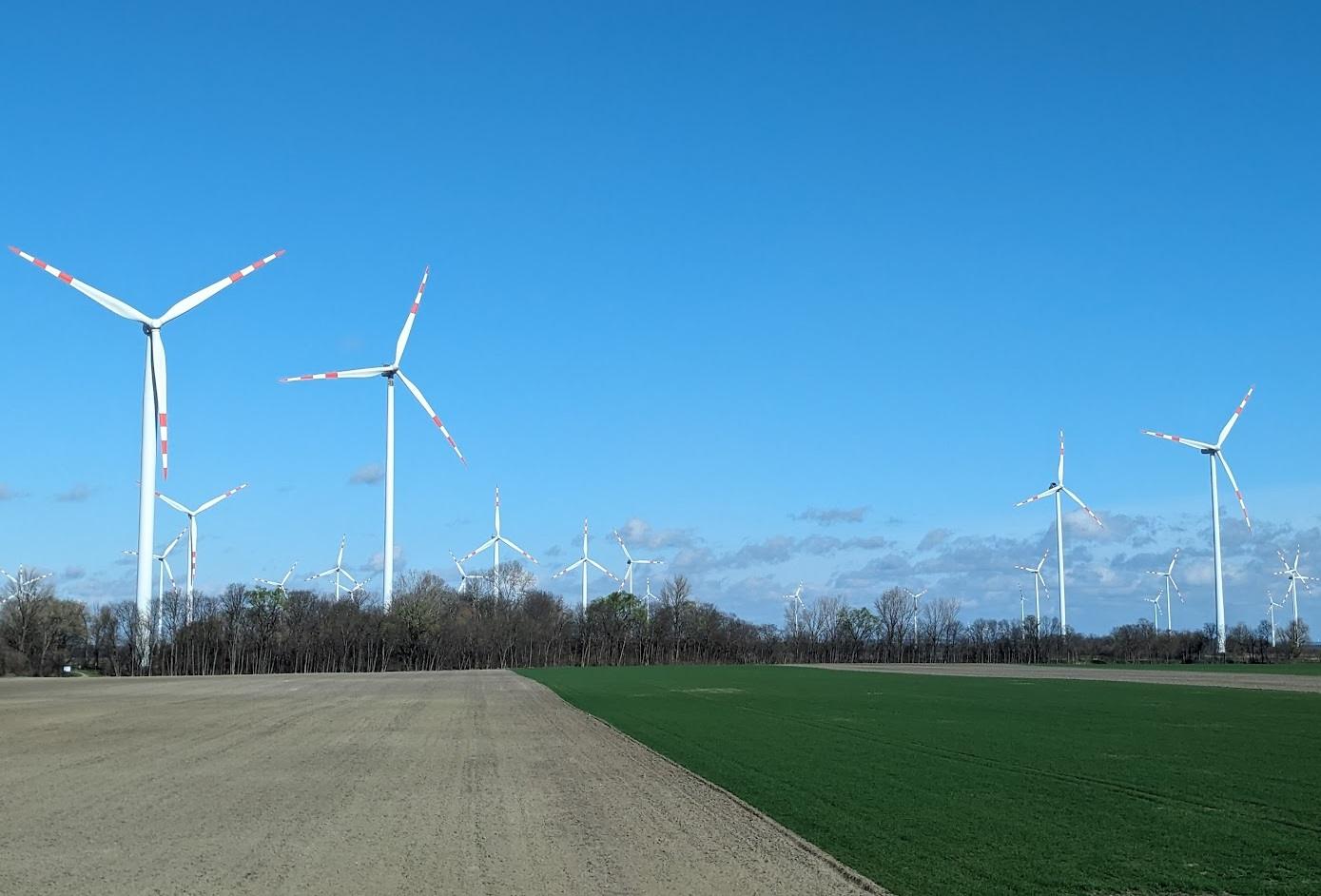
Green Accelerator Launches to Mobilize Capital for Emerging Markets
The Green Accelerator (GA), a new non-profit platform, debuted at the 2026 Hong Kong Green Finance Association Annual Forum with the explicit goal of unlocking global capital for sustainable projects in emerging markets. The initiative addresses a critical gap in the transition finance space by providing a structured framework to connect international institutional investors with bankable green projects in developing economies. This launch underscores the strategic pivot of many ESG funds toward emerging market opportunities where the marginal impact of capital deployment is highest.
Debate Intensifies Over ESG Ratings Regulation
A new commentary titled "Rethinking the rush to regulate ESG rating providers" has sparked debate among investors regarding the efficacy of stringent rules for ESG ratings. The piece argues that current regulatory approaches may misinterpret the function of these ratings, potentially stifling innovation in non-financial risk assessment. As financial institutions face evolving expectations from policymakers advancing the green transition, the methodology behind ESG ratings remains a focal point for due diligence teams assessing portfolio compliance and risk exposure.
Green Capital Flows
-
New Fund Launches: The Green Accelerator launched this week as a non-profit platform designed to facilitate cross-border investment into sustainable infrastructure in emerging markets. While specific AUM targets were not disclosed in the initial announcement, the platform aims to serve as a conduit for institutional capital seeking high-impact environmental projects in regions with limited local financing capacity.
-
Green Bond & Sustainable Debt: Global green bond issuance reached USD 653.5 billion in 2025, the second-highest annual total on record, according to the Climate Bonds Initiative. With Q2 2026 setting new quarterly records, the momentum suggests that green bonds and green loans will continue to dominate the global sustainable debt market, accounting for approximately 60% of total issuance in 2026.
-
ESG Fund Flows: No recent specific inflow/outflow data available for this section within the past 24 hours.
Regulation & Policy Watch
-
U.S. State Climate Liability Plans: A U.S. judge has blocked New York’s $75 billion plan to charge oil companies for climate-related damages. This legal development is significant for investors holding positions in major energy companies, as it temporarily halts one of the most aggressive state-level attempts to assign financial liability for historical emissions. The ruling may influence similar litigation strategies in other jurisdictions.
-
Accounting Firm Scrutiny: 16 U.S. states have issued warnings to Big 4 accounting firms, accusing them of "pushing" climate-related reporting requirements that may exceed current regulatory mandates. This conflict between state attorneys general and audit professionals creates uncertainty regarding the standardization and reliability of climate disclosures in corporate financial statements.
Corporate Moves
- Net-Zero Target Revisions: Companies are increasingly revising their net-zero commitments in response to political backlash and financial scrutiny. Recent trends show firms moving away from broad, unverified pledges toward more data-driven, financially integrated transition plans. Private equity LPs are actively questioning whether investment committees consider climate risk as part of deal approval, treating it as a governance and financial risk issue rather than a reputational one.
What to Watch Next Week
-
SBTi Corporate Net-Zero Standard v2.0: Businesses can recertify under the revised Science Based Targets initiative (SBTi) standard starting January 2026, but finalization of the consultation process is ongoing. Investors should watch for early adopters of the refined Scope 1, 2, and 3 metrics.
-
Regulatory Guidance on ESG Ratings: Following the recent commentary on rating provider regulations, look for potential clarifications from regulators on how ESG ratings should be integrated into fiduciary duty frameworks.
-
Emerging Market Project Pipeline: Monitor announcements from the newly launched Green Accelerator regarding its first cohort of supported projects, which will indicate the real-world traction of this new capital mobilization platform.
Reader Action Items
- Review Energy Sector Exposure: Given the blocking of New York’s climate liability plan, reassess risk premiums associated with major oil and gas holdings. The legal pause may offer temporary relief, but the underlying trend toward liability litigation remains intact.
- Audit Net-Zero Claims: With SBTi updating its standards and LPs demanding more rigorous data, conduct due diligence on portfolio companies’ net-zero targets. Prioritize firms that provide granular, auditable Scope 3 emissions data over those with vague long-term pledges.
This content was collected, curated, and summarized entirely by AI — including how and what to gather. It may contain inaccuracies. Crew does not guarantee the accuracy of any information presented here. Always verify facts on your own before acting on them. Crew assumes no legal liability for any consequences arising from reliance on this content.
Powered by
