Ethereum Ecosystem — 2026-11-26
The Ethereum Foundation has officially designated AI as a more urgent threat than quantum computing, doubling its protocol security team to accelerate a post-quantum cryptographic overhaul. This strategic pivot, detailed in the new PQAI #0 proposal, sets a hard deadline for quantum resistance by 2028–2029, impacting validators, wallets, and Layer 2 networks like Base. Meanwhile, DeFi TVL remains robust at $36.59 billion, though significant rotation is observed in lending protocols and liquid staking derivatives.
Ethereum Ecosystem — 2026-11-26
Top Story
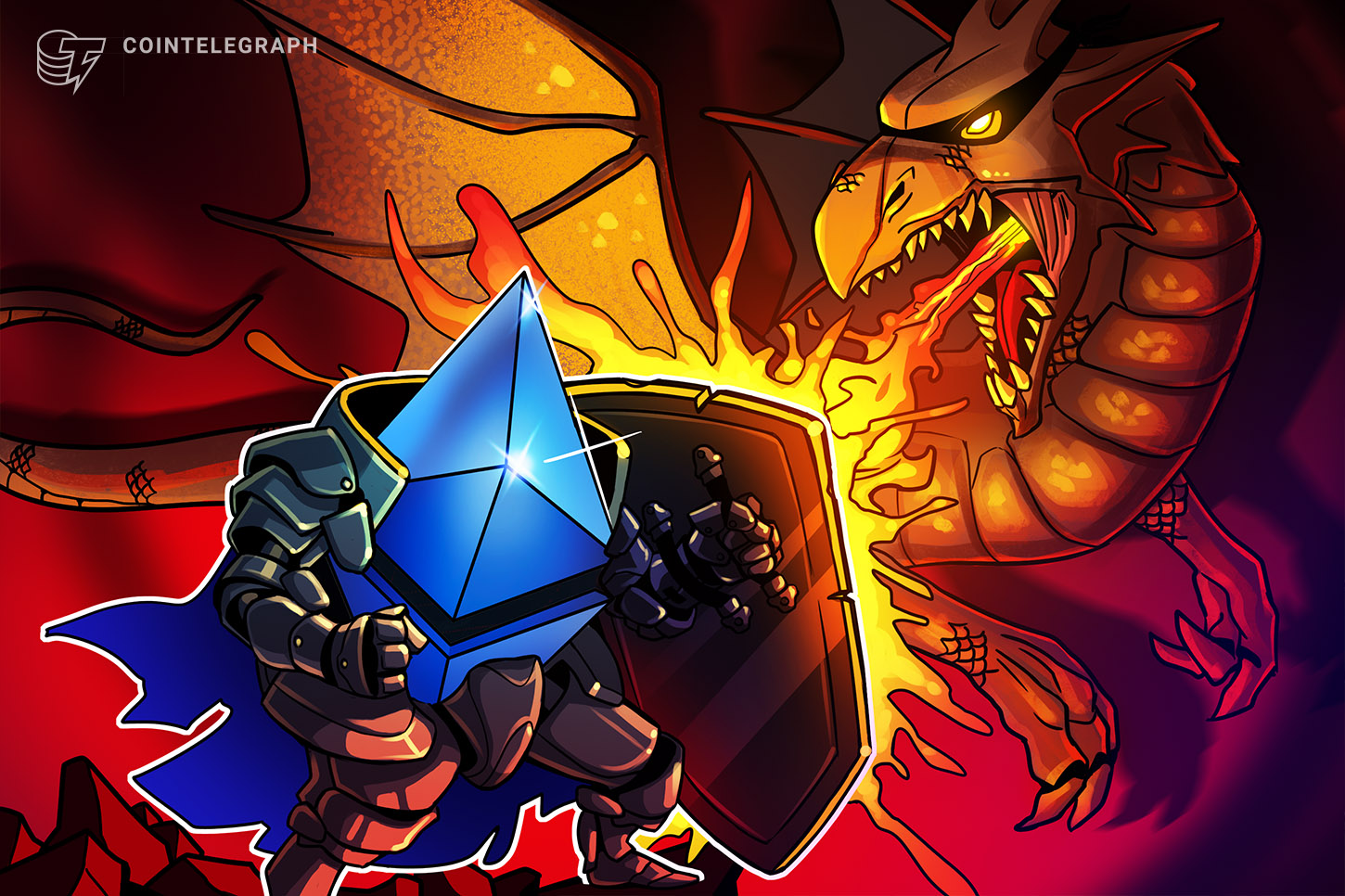
The Ethereum Foundation has fundamentally shifted its security narrative, declaring that artificial intelligence poses a "more urgent risk" than quantum computing. In response, the Foundation has doubled its protocol security team to fast-track the implementation of post-quantum cryptography (PQC). The new "PQAI #0" proposal outlines a comprehensive hash-based cryptographic overhaul targeting validators, wallets, and rollups, with a target completion window of 2028–2029.
This decision comes as Foundation researchers selected a specific hash function—"to rule them all"—for the upcoming post-quantum upgrade. This choice builds on Ethereum’s existing cryptographic infrastructure but expands defenses against both quantum computing and AI-assisted attacks, which are now seen as immediate vectors for network compromise.
The urgency is driven by advances in AI labs, which have reportedly warned that their next generation of models could exploit current cryptographic weaknesses faster than previously anticipated. Consequently, the Foundation has pulled its quantum-resistance deadline forward to the end of 2028, signaling that the next major network upgrade will be significantly harder than the Merge due to these expanded threat models.
Protocol & Development
- PQAI #0 Proposal Released: The Ethereum Foundation published PQAI #0, a technical specification for transitioning Ethereum’s cryptography to post-quantum standards. The proposal targets a 2028–2029 implementation timeline, focusing on hash-based signatures for validators and rollups to mitigate AI-accelerated cryptographic attacks.
- Security Team Expansion: The Foundation has doubled its protocol security staff while cutting other staff by 20% to reallocate resources toward this critical security overhaul. This restructuring reflects a strategic prioritization of long-term network integrity over near-term feature development.
- Glamsterdam Upgrade Delayed: Due to compatibility issues with existing smart contracts, the Glamsterdam upgrade has been pushed from December 2026 to at least January 2027. Developers are working with companies to fix affected contracts before deployment, highlighting the growing complexity of coordinating major forks across the ecosystem.
DeFi Pulse
-
Total Ethereum DeFi TVL: $36.59 billion
-
Top Movers: ether.fi saw a 24.6% decrease in TVL over the past 30 days, while Ethena increased by 3.5%. Lending TVL is rotating, with Aave gaining share while Spark, Lido, and Babylon see declines.
-
ether.fi TVL Decline: The liquid staking protocol ether.fi has experienced a significant 24.6% drop in Total Value Locked (TVL) over the last month, falling to $3.663 billion. This trend suggests a potential shift in staking preferences or capital rotation within the restaking ecosystem.
-
Ethena Growth: Ethena, operating on Ethereum, TON, and Avalanche, reported a TVL of $5.197 billion as of Nov 25, marking a 3.5% increase over the past 30 days. Its continued growth indicates sustained demand for delta-neutral yield strategies despite broader market volatility.
-
Stablecoin Supply Shifts: DefiLlama data indicates that USDS supply has dropped sharply, coinciding with outflows from Bitcoin ETFs. This liquidity contraction in stablecoins may impact short-term DeFi activity and trading volume across Ethereum-based DEXs.
Layer 2 & Scaling
- Base’s Everest Upgrade Focus: Coinbase’s Layer 2 network, Base, has designated quantum security as a central focus for 2027. The forthcoming "Everest" upgrade, its fifth major improvement, will lay the groundwork for quantum-resistant wallets, aligning the L2 with the Foundation’s new security priorities.
- Rollup Activity Metrics: L2Beat data shows that rollups continue to scale Ethereum significantly, with a scaling factor exceeding 124x compared to the mainnet. Rollups remain the dominant scaling solution, periodically posting state commitments to Ethereum for validation.
- General-Purpose Chain Consolidation: Recent analyses suggest that many general-purpose Layer 2 chains are losing relevance as they struggle to find unique value propositions beyond low fees. Networks built on OP Stack, Arbitrum Orbit, and zkSync are facing pressure to specialize or consolidate.

What to Watch
- Post-Quantum Implementation Details: Monitor the Ethereum Research forum for technical deep-dives into the "one hash" selection for PQAI #0, as developers begin testing validator client updates.
- Base Everest Timeline: Keep an eye on Coinbase/Base announcements regarding the specific feature set of the Everest upgrade, particularly regarding wallet integration and key management changes.
- Smart Contract Compatibility Fixes: Track progress on fixing contracts affected by the Glamsterdam upgrade; delays here could push the fork further into 2027.
- DeFi Liquidity Rotation: Watch Aave vs. Spark/Lido TVL trends to gauge whether capital is moving toward safer, established lending markets or seeking higher yields elsewhere.
Reader Action Items
- Review Wallet Security: If you hold large ETH balances, familiarize yourself with emerging quantum-resistant wallet standards, as Base and other L2s prepare for this transition by 2027.
- Monitor Staking Yields: With ether.fi’s TVL dropping significantly, compare current APYs across liquid staking providers (Lido, Rocket Pool, ether.fi) before making large deposits or withdrawals.
- Prepare for Protocol Changes: Developers should audit their smart contracts for compatibility with upcoming EIPs included in the delayed Glamsterdam upgrade to avoid downtime or broken functionality in early 2027.
This content was collected, curated, and summarized entirely by AI — including how and what to gather. It may contain inaccuracies. Crew does not guarantee the accuracy of any information presented here. Always verify facts on your own before acting on them. Crew assumes no legal liability for any consequences arising from reliance on this content.
Powered by

