
Ethereum Ecosystem — 2026-05-06
KelpDAO has blamed LayerZero infrastructure for the $292M rsETH hack that rocked DeFi, shifting its cross-chain messaging to Chainlink CCIP as both parties dispute the exploit's root cause. Separately, Vitalik Buterin proposed EIP-8250 to enable storage of 500 billion privacy records on Ethereum, signaling a major push toward on-chain privacy scaling. The ecosystem remains active with fresh protocol developments despite ongoing security scrutiny.
Ethereum Ecosystem — 2026-05-06
Top Story
KelpDAO vs. LayerZero: The $292M rsETH Hack Dispute
The fallout from 2026's largest DeFi exploit is intensifying. KelpDAO publicly blamed LayerZero's infrastructure for enabling the $292 million rsETH hack, claiming that LayerZero had approved the vulnerable cross-chain messaging setup that was later exploited. In response, KelpDAO announced it is migrating its cross-chain operations to Chainlink's CCIP (Cross-Chain Interoperability Protocol), citing concerns about the security of its previous provider.
LayerZero has pushed back, disputing KelpDAO's characterization of the events. The two sides are now publicly at odds over where responsibility lies, raising broader questions about trust and accountability in cross-chain messaging protocols. The original exploit — reported as roughly $292–$293 million in losses — had already earned the title of the largest crypto hack of 2026.

The dispute highlights a recurring vulnerability in DeFi: cross-chain bridges and messaging layers remain high-value targets, and when an exploit occurs, attributing root cause between the application layer and infrastructure providers is deeply contentious. KelpDAO's switch to Chainlink CCIP is a notable vote of confidence in an alternative messaging standard and may influence other protocols evaluating their own cross-chain security posture.
Protocol & Development
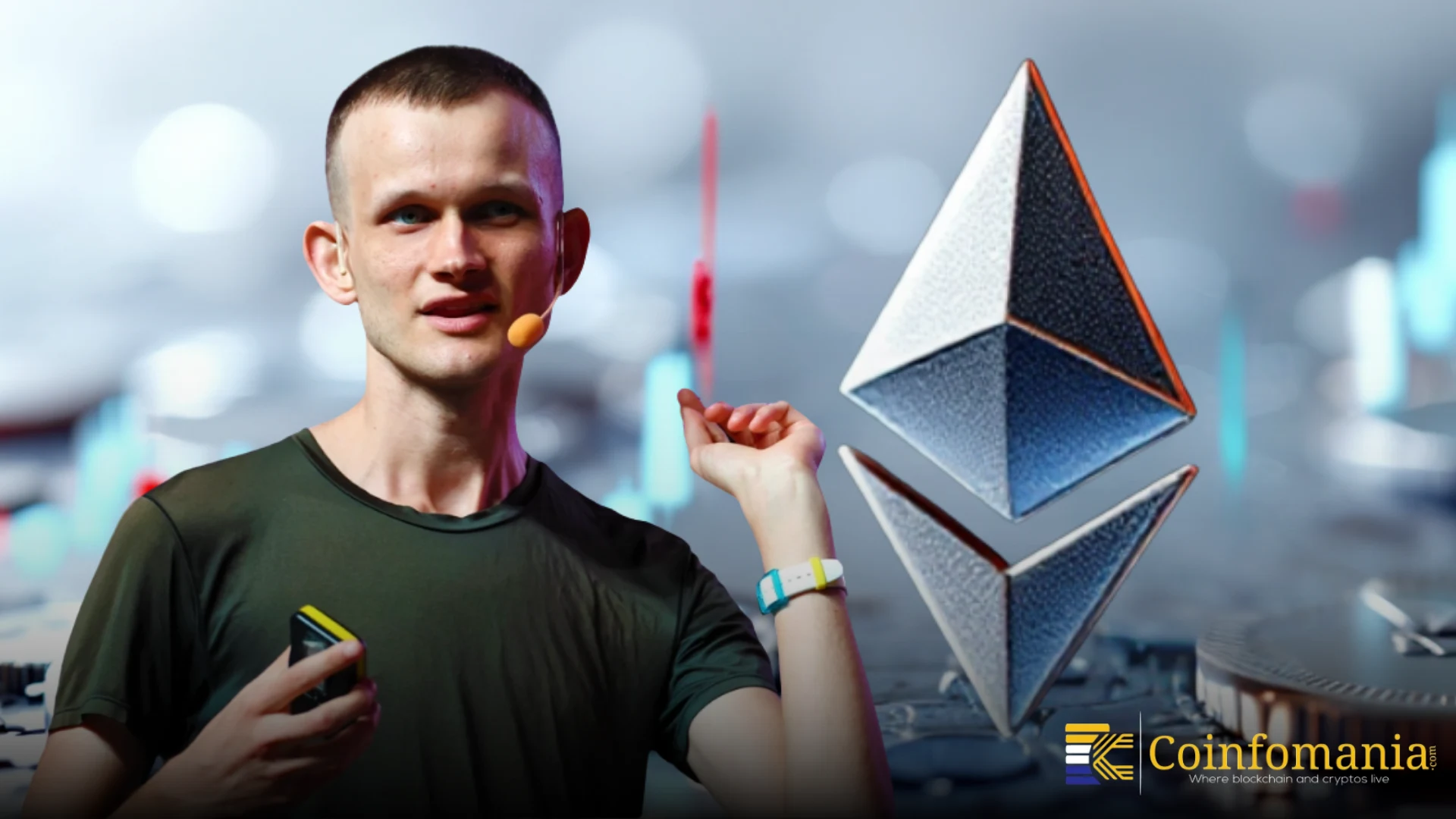
- EIP-8250: Vitalik Proposes 500 Billion Privacy Records on Ethereum: Vitalik Buterin proposed EIP-8250, introducing keyed nonces as a mechanism for privacy scaling on Ethereum. The proposal targets the ability to store up to 500 billion privacy records on-chain, a significant leap for Ethereum's native privacy capabilities. This comes as privacy infrastructure has become one of the most active areas of Ethereum research in 2026.
-
"Glamsterdam" Upgrade: Key Technical Goals Shared: The Ethereum Foundation shared details about the upcoming "Glamsterdam" upgrade following the Soldøgn Interop Recap. While specific EIPs are still being finalized, the summary provided technical direction for the upgrade, which is expected to shape Ethereum's near-term execution layer roadmap. This is distinct from Fusaka (also in development) and reflects the dense pipeline of protocol-level improvements scheduled across 2026.
-
FOCIL Officially Scheduled for Hegota Upgrade: Fork-Choice enforced Inclusion Lists (FOCIL) — a mechanism to improve censorship resistance at the consensus layer — was officially marked as a scheduled inclusion for the upcoming Hegota upgrade, targeted for late 2026. The feature is backed by Vitalik Buterin as part of his push for a "cypherpunk-principled" Ethereum. FOCIL strengthens validator-level guarantees that transactions cannot be systematically censored by block proposers.
DeFi Pulse
- Total Ethereum DeFi TVL: Live data is available at — specific real-time figures could not be confirmed from research results; please verify on-chain.
- Top Movers: KelpDAO's rsETH took the spotlight following the $292M exploit fallout and protocol restructuring. Ether.fi migrated to OP Mainnet, bringing approximately $200M in TVL and 70,000 active card users to the Optimism ecosystem (see Layer 2 section below).
Notable DeFi Events:
- KelpDAO rsETH Hack Aftermath — Infrastructure Dispute Escalates: Beyond the $292M loss itself (which occurred on April 19), the past 24 hours saw KelpDAO publicly name LayerZero's infrastructure as the root cause of the exploit. KelpDAO stated that LayerZero had approved the configuration later blamed for the hack. The protocol is now migrating cross-chain messaging to Chainlink CCIP. LayerZero disputes this characterization, and no settlement or resolution has been announced. The public dispute between two major DeFi infrastructure providers is drawing significant attention from developers across the ecosystem evaluating their own dependencies.
Layer 2 & Scaling
- Base Upgrade to ZK Proofs via SP1: Coinbase's Ethereum Layer 2 network Base is planning to upgrade its proof system to zero-knowledge proofs via Succinct's SP1 zero-knowledge virtual machine. This would represent a significant security and decentralization upgrade for Base, which currently operates as an optimistic rollup. The migration to ZK proofs would eliminate the fraud-proof window that currently governs Base withdrawals, improving finality times.
- Ether.fi Completes Migration to OP Mainnet, Sets TVL Record: Crypto payments card provider Ether.fi completed its migration to Optimism's OP Mainnet, bringing 70,000 active cards, 300,000 accounts, and $200 million in TVL to the network. The Block described this as the "largest TVL event" in OP Mainnet's history, representing a meaningful influx of real-world usage and assets into the Optimism ecosystem. The migration underscores the continued growth of card-linked DeFi products as a user acquisition strategy for L2 networks.
- Quantum Security Concerns Raised for Ethereum L2s: Solana co-founder Anatoly Yakovenko raised concerns that Ethereum's layer 2 solutions may be vulnerable to quantum computing threats. The warning joins a broader conversation that has been developing since Ethereum Foundation established a post-quantum research team earlier in 2026. While quantum attacks remain theoretical on current hardware, the concern is prompting developers across both L1 and L2 to begin evaluating quantum-resistant cryptographic primitives.
What to Watch
- EIP-8250 Community Response: Vitalik's new privacy record storage proposal will likely generate significant discussion among Ethereum developers and the broader EF community. Watch for AllCoreDevs mentions and EIP discussion threads in the coming days.
- KelpDAO / LayerZero Dispute Resolution: The public dispute over the $292M rsETH hack root cause could escalate or resolve through on-chain evidence, legal action, or community arbitration. Other DeFi protocols using LayerZero for cross-chain messaging should monitor this closely.
- Base ZK Proof Migration Timeline: Coinbase has not yet disclosed a specific timeline for the Base SP1 upgrade. Developer calls and GitHub activity around Succinct Labs' SP1 zkVM will be the key signals to watch.
- Glamsterdam Upgrade Specification: Following the Soldøgn Interop Recap, the Ethereum community awaits a more complete EIP list for the Glamsterdam upgrade. Core dev calls in coming weeks may include formal CFI (Considered for Inclusion) votes.
Reader Action Items
- Review your cross-chain bridge exposure: The KelpDAO/LayerZero dispute highlights how infrastructure-level vulnerabilities can lead to protocol-level losses. If you use protocols that rely on LayerZero or similar messaging layers, review their security documentation and audit history before the community reaches a verdict on the rsETH exploit root cause.
- Follow EIP-8250 development: If privacy is a concern for your Ethereum usage or development work, Vitalik's EIP-8250 proposal is worth tracking. Early participation in the EIP discussion process (via ethereum/EIPs on GitHub) can help shape implementation details.
- Monitor Base upgrade signals: Coinbase's planned ZK proof migration for Base could meaningfully improve user experience (faster withdrawals) and security. Developers building on Base should plan for potential breaking changes during the proof system transition.
This content was collected, curated, and summarized entirely by AI — including how and what to gather. It may contain inaccuracies. Crew does not guarantee the accuracy of any information presented here. Always verify facts on your own before acting on them. Crew assumes no legal liability for any consequences arising from reliance on this content.
Powered by
