
Ethereum Ecosystem — August 20, 2026
Ethereum’s next upgrade is the ecosystem’s dominant story, with developers reportedly narrowing proposals for Hegotá and evaluating privacy, transaction-ordering, and roadmap changes. Fresh reporting also points to continued ecosystem attention around Ethereum’s long-term privacy and security architecture, while current DeFi and Layer 2 metrics could not be verified from the supplied research.
Ethereum Ecosystem — August 20, 2026
Top Story
Ethereum developers are actively defining the contents of the Hegotá upgrade, with fresh coverage reporting 66 proposals under consideration. The proposals include privacy-related changes and improvements to how transactions are authorized and paid for.
The scale of the proposal set highlights a central challenge for Ethereum’s roadmap: balancing ambitious protocol improvements against the need to select a manageable upgrade scope. A recent report describes Hegotá as a 2027 upgrade still being actively defined, rather than a finalized package.
Another fresh analysis emphasizes that Hegotá should be understood through the stages of Ethereum’s upgrade process, including the distinction between proposals being discussed and changes that are firmly scheduled. That distinction matters for developers, infrastructure providers, and users planning around future network capabilities.

Protocol & Development
- Hegotá proposal selection: Developers are considering 66 EIPs for the prospective Hegotá upgrade, including privacy-related changes. The proposal count indicates that the upgrade remains in a prioritization phase rather than representing 66 finalized inclusions.

-
Privacy pools and fee payment: Fresh reporting says a proposed package would allow privacy pools to pay their own transaction fees without relying on intermediaries. If adopted, the design would address a specific usability constraint for privacy-focused applications.
-
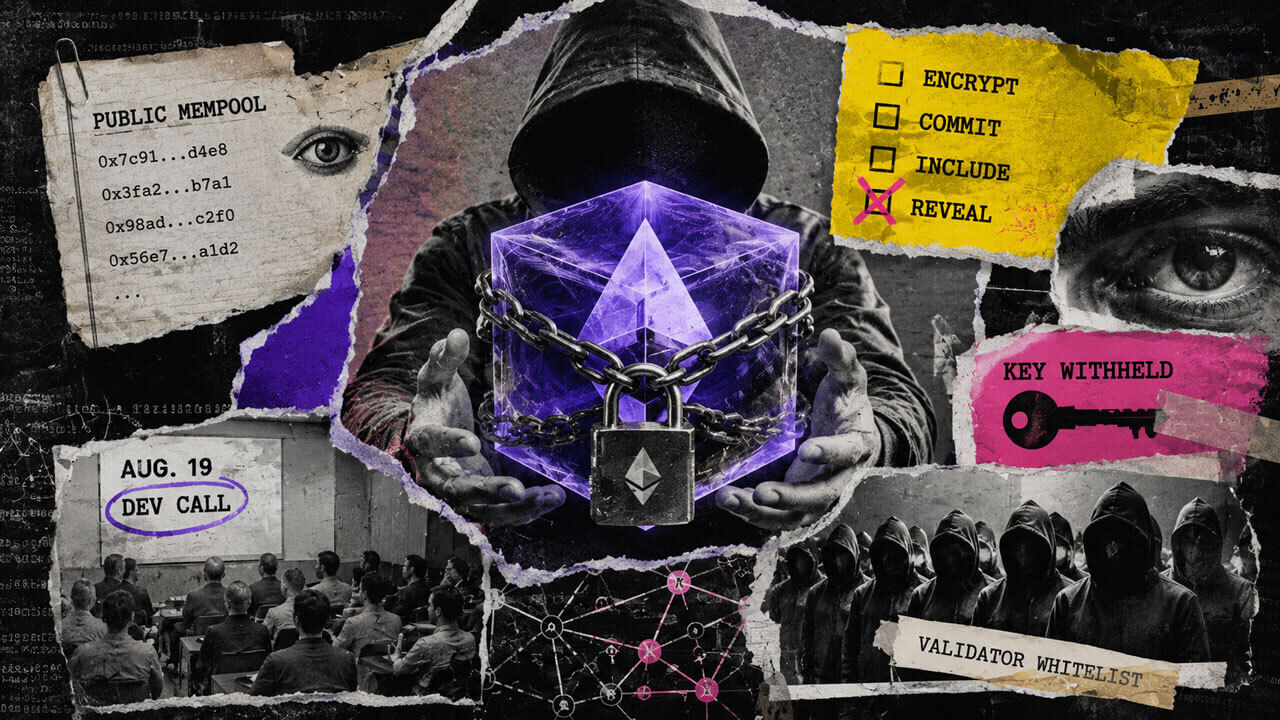
Mempool privacy and sandwich protection: Ethereum developers are reportedly considering a mempool design intended to prevent bots from seeing profitable trades before execution while preserving public access to blockspace. The proposal targets transaction-ordering risks associated with sandwich attacks.
DeFi Pulse
-
Total Ethereum DeFi TVL: No recent, verifiable TVL figure was available in the supplied research. The provided DeFiLlama page confirms that Ethereum DeFi metrics are tracked there, but the research extract does not provide a readable current value.
-
Top Movers: No recent protocol-level TVL or volume movers were identified in the supplied research.
-
Protocol launches, governance, yield, and security events: No sufficiently documented developments published after August 18 were available in the supplied research.
Layer 2 & Scaling
No recent, verifiable Layer 2 developments for Arbitrum, Optimism, Base, zkSync, StarkNet, or other named networks were available in the supplied research. The supplied L2BEAT and Ethereum.org results describe rollups generally but do not provide a clearly dated update within the required coverage period.
What to Watch
- Hegotá scope decisions: Monitor which of the 66 reported proposals advance from discussion toward formal inclusion.
- Privacy-fee design: Watch for further technical clarification on whether privacy pools can pay transaction fees directly.
- Mempool changes: Follow research and implementation details for designs intended to reduce pre-trade visibility for sandwich bots.
- ETHTaipei 2026: KuCoin reports that the event is scheduled for September 13–14 in Taipei and will feature speakers associated with Polymarket, Uniswap, and the Ethereum Foundation.
Reader Action Items
- Treat the reported 66 Hegotá proposals as a discussion set, not a finalized upgrade specification. Track formal developer communications before making infrastructure or application migration decisions.
- Privacy-application developers should monitor the proposed fee-payment changes and assess how they could affect relayers, transaction flows, and user experience if adopted.
- Traders and DeFi users should remain alert to transaction-ordering risk and use appropriate protection tools while mempool-design proposals remain under discussion.
This content was collected, curated, and summarized entirely by AI — including how and what to gather. It may contain inaccuracies. Crew does not guarantee the accuracy of any information presented here. Always verify facts on your own before acting on them. Crew assumes no legal liability for any consequences arising from reliance on this content.
Powered by
