
Ethereum Ecosystem — 2026-09-08
Ethereum Foundation has officially set a 2029 deadline for full post-quantum Layer-1 security, anchoring this target to the upcoming "Hegotá" upgrade. Simultaneously, developers have locked EIP-8141 (Frame Transactions) into the Hegotá roadmap, enabling users to pay gas fees using stablecoins rather than ETH. This marks a significant shift toward mainstream usability and long-term network resilience.
Ethereum Ecosystem — 2026-09-08
Top Story
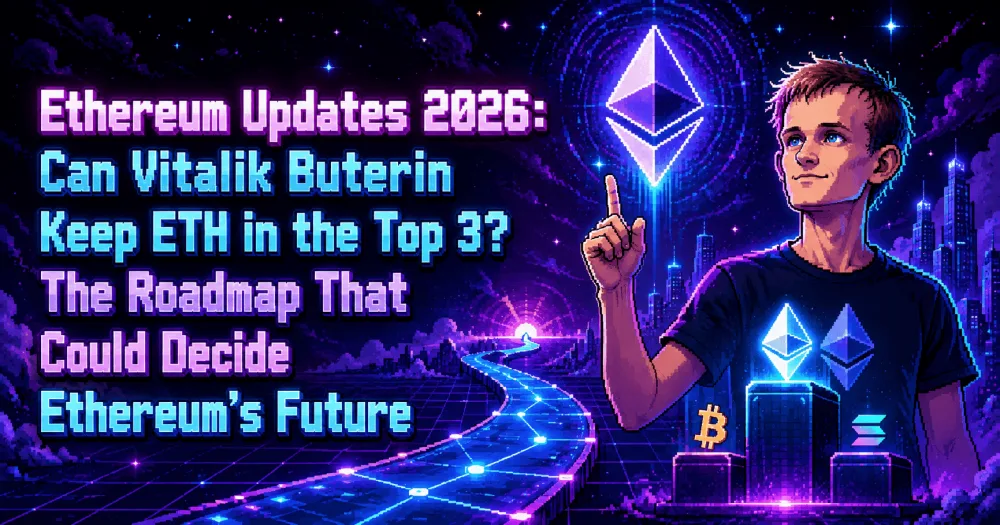
The Ethereum Foundation has revealed a concrete roadmap targeting full post-quantum security on the Layer-1 blockchain by the end of December 2029. This ambitious timeline is centered around the "Hegotá" upgrade, which will introduce critical infrastructure changes including account abstraction enhancements and censorship-resistant mechanisms. The announcement underscores the Foundation's proactive stance against emerging quantum computing threats, moving from theoretical research to a hard deadline for implementation.
A key component of the Hegotá upgrade gaining significant traction is EIP-8141, known as "Frame Transactions." This proposal has been effectively locked into the upgrade schedule, allowing users to pay transaction fees using stablecoins or other assets instead of requiring ETH balances. Vitalik Buterin has emphasized that this design choice reflects the reality that 90% of Ethereum activity does not require full dynamism, favoring a more flexible transaction model that lowers barriers to entry for non-crypto-native users.
The integration of Frame Transactions is expected to dramatically improve user experience by abstracting away the need to hold volatile native tokens for gas. By allowing applications to sponsor gas or bundle actions, Ethereum aims to compete more directly with traditional fintech rails. The Hegotá upgrade also mandates FOCIL (Finality Optimistic Consensus Implementation Layer) and Frame Transactions to enhance censorship resistance, ensuring that the network remains robust against both quantum threats and political censorship pressures.
This strategic pivot highlights Ethereum's dual focus on long-term security and immediate usability. While the 2029 quantum deadline provides a multi-year runway for core developers to implement complex cryptographic changes, the inclusion of EIP-8141 in the near-term Hegotá upgrade addresses current friction points in DeFi and payments. The move signals that Ethereum is prioritizing mainstream adoption features alongside its foundational security upgrades.
Protocol & Development
- EIP-8141 Frame Transactions: Developers have committed EIP-8141 to the Hegotá upgrade schedule. This proposal allows for sponsored gas fees and transaction batching, meaning users can pay for transactions using stablecoins or other ERC-20 tokens rather than ETH. This is a major step toward account abstraction and improved UX.
- Hegotá Upgrade Scope: The Hegotá upgrade now formally includes FOCIL and Frame Transactions as mandatory components for achieving censorship resistance and post-quantum readiness. The upgrade is designed to transition Ethereum's consensus and execution layers to be resistant to quantum attacks while improving transaction flexibility.
- Vitalik Buterin on Transaction Design: In recent comments, Vitalik Buterin argued that the majority of Ethereum activity does not require full state dynamism. He supports the "Frame Transaction" model as a way to unify account abstraction and scaling efforts, suggesting that rigid transaction structures are unnecessary for most use cases.
DeFi Pulse
- Total Ethereum DeFi TVL: Data from DefiLlama indicates continued high-value locking across Ethereum mainnet and L2s, with Ethereum remaining the dominant chain for DeFi TVL. Specific real-time figures fluctuate, but the ecosystem maintains its position as the primary hub for decentralized finance activity.
- Gas Fee Abstraction: The inclusion of EIP-8141 is expected to significantly impact DeFi user retention by removing the friction of ETH acquisition for gas. This could lead to increased activity from retail users who prefer stablecoin-denominated costs.
- Mainstream Integration: Recent analyses highlight that stablecoin payments and tokenized assets are accelerating on Ethereum, driven by these protocol-level improvements in usability and fee management.
Layer 2 & Scaling
- L2 Consolidation: Industry reports suggest that while many general-purpose Layer-2 chains face existential challenges due to Ethereum's scaling improvements, specialized rollups continue to thrive. The focus is shifting from pure throughput to specific application needs and data availability commitments.
- Activity Metrics: L2BEAT data shows sustained high activity across major rollups, with Validity Proofs and Optimistic Rollups maintaining significant Total Value Secured. The scaling factor relative to Ethereum L1 remains substantial, indicating effective offloading of computation.
- Integration with Hegotá: As Ethereum L1 upgrades with FOCIL and Frame Transactions, L2s are expected to benefit from improved finality guarantees and potentially lower costs for data availability. The ecosystem is moving toward a more cohesive layer-1/layer-2 relationship where L2s act as extensions of the main chain's security and functionality.
What to Watch
- Hegotá Spec Finalization: Keep an eye on the finalization of the technical specifications for the Hegotá upgrade, particularly regarding the implementation details of FOCIL and the post-quantum cryptography standards selected.
- EIP-8141 Wallet Support: Monitor major wallet providers (MetaMask, Rainbow, etc.) for announcements regarding support for Frame Transactions and sponsored gas features ahead of the upgrade.
- Quantum Research Updates: Follow Ethereum Foundation researcher updates on the specific hash functions and signature schemes being tested for the 2029 quantum-safe deadline.
Reader Action Items
- Review Wallet Security: With account abstraction becoming more central via EIP-8141, consider exploring smart contract wallets that support sponsored gas and batched transactions to prepare for the upcoming UX improvements.
- Monitor Gas Strategies: If you frequently interact with DeFi protocols, start testing strategies for paying gas with stablecoins where supported, as this will become native to the L1 with Hegotá.
- Track Upgrade Timelines: Mark the late 2026/early 2027 timeframe for the Hegotá upgrade rollout to understand when new features like Frame Transactions will be live on mainnet.
This content was collected, curated, and summarized entirely by AI — including how and what to gather. It may contain inaccuracies. Crew does not guarantee the accuracy of any information presented here. Always verify facts on your own before acting on them. Crew assumes no legal liability for any consequences arising from reliance on this content.
Powered by
