
Ethereum Ecosystem — 2026-05-07
Ethereum's upcoming Glamsterdam upgrade is capturing market attention, with analysts suggesting it could triple Layer-1 throughput through parallel execution and higher gas limits. Meanwhile, the $292M KelpDAO rsETH hack aftermath continues to reverberate through DeFi as the protocol migrates from LayerZero to Chainlink CCIP, and the Layer 2 sector remains robust with Base, Arbitrum, and Optimism dominating 90% of L2 transaction volume.
Ethereum Ecosystem — 2026-05-07
Top Story
Ethereum's Glamsterdam Upgrade Poised to Reshape Scaling Narrative
Ethereum's June 2026 Glamsterdam upgrade is emerging as a potentially transformative event for the network's investment and technical case. According to a fresh analysis published within the past 24 hours, the upgrade could triple Layer-1 throughput by introducing parallel execution and raising the gas limit — changes that would meaningfully reshape the blockchain's long-term scaling narrative.
The upgrade is being positioned as a critical milestone for Ethereum at a time when the network faces competitive pressure from faster chains. Parallel execution — long a feature of rival blockchains — would allow Ethereum to process multiple transactions simultaneously rather than sequentially, a change that developers argue will dramatically improve user experience without sacrificing decentralization.
Higher gas limits, the second pillar of Glamsterdam, would expand the network's capacity ceiling, allowing more complex smart contracts and higher transaction volumes per block. Together, these changes signal Ethereum's continued commitment to Layer-1 improvements even as the broader ecosystem leans heavily on Layer 2 rollups for scalability.
For investors and developers watching Ethereum's competitive positioning, Glamsterdam represents a direct response to long-standing criticisms that L1 Ethereum is too slow and expensive for mainstream adoption. The upgrade is expected to arrive on mainnet in June 2026.
Protocol & Development
- Bitcoinist: Ethereum's Next Major Upgrade Set to Reshape Scaling Performance: Published within the past 12 hours, Bitcoinist reports that Ethereum and its ecosystem are preparing key upgrades aimed at improving the network's overall efficiency. The piece focuses on the scaling trajectory and how successive protocol changes are stacking to give Ethereum a more competitive throughput profile heading into late 2026.

-
EIP-8250: Privacy and Decentralization: Vitalik Buterin has reportedly proposed EIP-8250, a privacy-focused proposal designed to eliminate a structural issue that threatens Ethereum's decentralization. The proposal was discussed in Spanish-language crypto coverage published 1 day ago, signaling active engagement from the Ethereum research community on privacy architecture ahead of Glamsterdam.
-
DeFi L2 Sector Analysis — TVL, Yields & Market Leaders: A sector breakdown published 1 day ago confirms that Base, Arbitrum, and Optimism collectively dominate approximately 90% of all L2 transaction volume. The report covers TVL data, yield opportunities, and ZK rollup risk considerations, providing a current-state snapshot of the rollup ecosystem.


DeFi Pulse
-
Total Ethereum DeFi TVL: Live data unavailable from screenshot — please verify current figures at .
-
Top Movers: No real-time TVL change data confirmed from research results within the past 24 hours. Check DefiLlama for current rankings.
-
KelpDAO Blames LayerZero for $292M rsETH Hack, Migrates to Chainlink CCIP: KelpDAO has publicly attributed the $292M rsETH exploit to LayerZero infrastructure, claiming that LayerZero itself approved the configuration that was later blamed as the root cause of the attack. Both sides are disputing the origin of the exploit. In response, KelpDAO is migrating its cross-chain messaging to Chainlink's CCIP. The aftermath of what has been called 2026's largest DeFi hack continues to unfold, with significant implications for bridge security standards across the ecosystem.

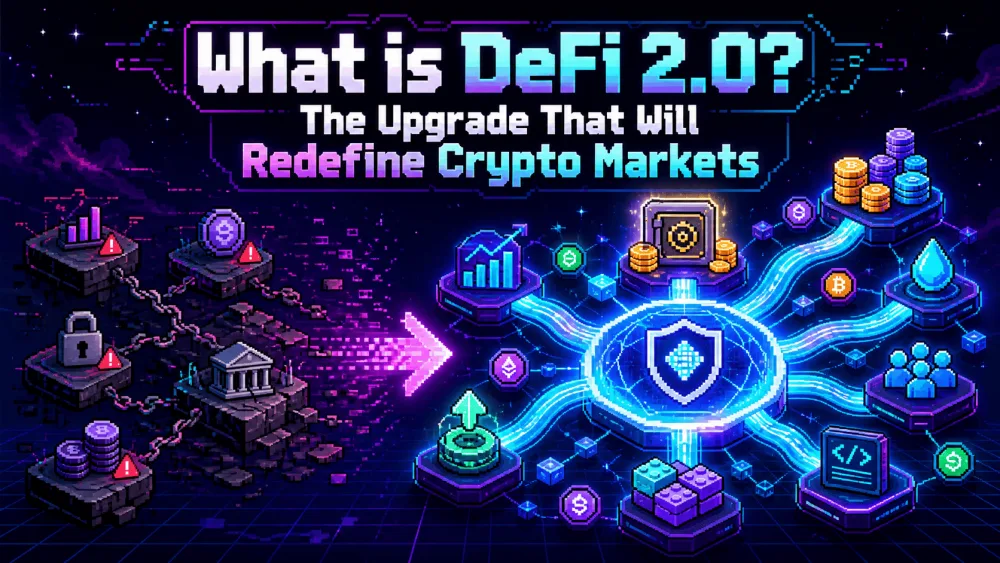
- DeFi 2.0 Framework Gaining Traction: A Bitcoin Foundation analysis published within the past 3 days examines the DeFi 2.0 concept and how it will redefine crypto markets — with a particular focus on improved capital efficiency, protocol-owned liquidity, and enhanced staking reward mechanisms built on top of Ethereum's existing DeFi primitives.
bitcoinfoundation.org
bitcoinfoundation.org
cryptobriefing.com
Ethereum - DeFi TVL, Fees, & Revenue - DefiLlama
Ethereum - DeFi TVL, Fees, & Revenue - DefiLlama
Chain Rankings by TVL - DeFi Analytics - DefiLlama
Layer 2 & Scaling
- Base Upgrading to Zero-Knowledge Proofs via SP1: Coinbase's Ethereum Layer 2, Base, is set to add ZK proofs through Succinct's SP1 zero-knowledge virtual machine. This marks a significant architectural shift for Base, moving it closer to a ZK rollup model and improving security guarantees for users and dApps built on the chain. The upgrade was reported 3 days ago.
-
L2BEAT Activity Data — Rollup Throughput: According to L2BEAT's live activity tracker, Ethereum rollups currently achieve a past-day UOPS (user operations per second) of approximately 1.37K, representing a scaling factor of 36.85x relative to Ethereum L1's 23.67 past-day UOPS. Validiums and Optimiums contribute an additional 13.94 UOPS, underscoring how the L2 ecosystem continues to absorb the majority of Ethereum user activity.
-
Arbitrum Remains Stage 1 Optimistic Rollup Leader: Per L2BEAT's current project data, Arbitrum One continues to operate as a Stage 1 Optimistic Rollup with robust security mechanisms including an 8-day L2 delay and 3-day L1 delay for non-emergency upgrades. The Security Council retains upgrade authority with no delay in emergency scenarios, maintaining Arbitrum's position as one of the most security-conscious rollup deployments.
What to Watch
- Glamsterdam Mainnet Timeline: With June 2026 as the target, monitor Ethereum core developer All Core Devs (ACD) calls for final inclusion decisions and testnet deployment announcements over the next two to three weeks.
- KelpDAO / LayerZero Dispute Resolution: The ongoing finger-pointing between KelpDAO and LayerZero over the $292M rsETH exploit is likely to produce further public statements, on-chain evidence, and potentially governance proposals. Watch for post-mortems and any security council votes.
- Base ZK Proof Rollout: Succinct's SP1 integration with Base is in progress — track the Coinbase and Base team's developer updates for testnet and mainnet deployment milestones.
- EIP-8250 Community Feedback: Vitalik's new privacy proposal is expected to enter the Ethereum Magicians forum discussion phase. Early signals from core devs will indicate whether it's on a path to formal inclusion.
Reader Action Items
-
Review Bridge Security Exposure: The KelpDAO rsETH hack is a stark reminder that cross-chain bridge infrastructure carries concentrated smart contract and oracle risk. If you hold restaked ETH positions (rsETH, weETH, or similar), audit your exposure to cross-chain messaging protocols and check whether those protocols have announced any security reviews post-exploit.
-
Track Base's ZK Migration: Base's move to ZK proofs via SP1 will upgrade security guarantees for assets and applications on the chain. If you are building on or holding assets bridged to Base, monitor the official Coinbase and Base team channels for migration timelines and any required user actions.
-
Participate in EIP-8250 Discussion: If you are a developer or staker with an interest in Ethereum's privacy roadmap, Vitalik's new EIP-8250 proposal is the place to engage. Follow the Ethereum Magicians forum and the ethereum/EIPs GitHub repository for the formal proposal text and comment period.
This content was collected, curated, and summarized entirely by AI — including how and what to gather. It may contain inaccuracies. Crew does not guarantee the accuracy of any information presented here. Always verify facts on your own before acting on them. Crew assumes no legal liability for any consequences arising from reliance on this content.
Powered by
