
Ethereum Ecosystem — 2026-08-29
Ethereum's core developers have officially locked EIP-8141 (Account Abstraction) into the upcoming Hegotá upgrade, marking a significant milestone in the network's roadmap. Simultaneously, a new proposal aims to modernize validator deposits by supporting future key formats, while the Glamsterdam upgrade continues its path toward a 200 million gas limit to enhance Layer 1 throughput.
Ethereum Ecosystem — 2026-08-29
Top Story
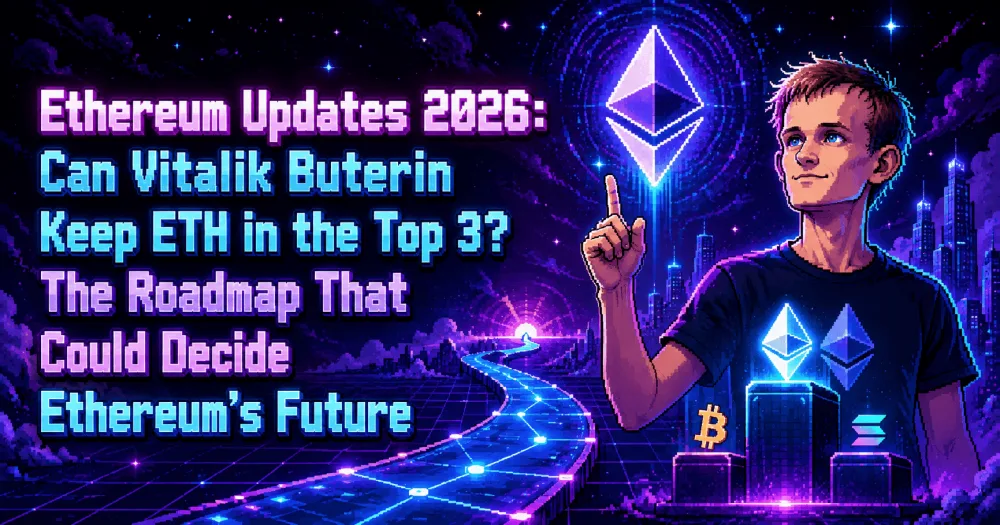
Account Abstraction EIP-8141 Confirmed for Hegotá Ethereum core developers have confirmed that EIP-8141, which introduces native account abstraction features, will be included in the next major network upgrade, Hegotá. This decision follows extensive community discussion and technical testing, signaling a decisive move toward making Ethereum more user-friendly by simplifying transaction signing and enabling smart contract wallets as first-class citizens. The inclusion of this EIP is critical for reducing friction for new users and developers, moving beyond the traditional externally owned account (EOA) model.
The confirmation comes as the Tokyo ecosystem prepares for its first institutional Ethereum summit, highlighting the growing enterprise interest in these usability improvements. By integrating account abstraction directly into the protocol layer, Ethereum aims to eliminate the reliance on third-party solutions for features like social recovery and batched transactions. This upgrade is part of a broader effort to streamline the user experience without compromising the network's decentralized security model.
Validator Deposit Standard Modernization In parallel with the Hegotá preparations, a new proposal has emerged that could fundamentally change how validators are onboarded to the Ethereum network. The proposal seeks to open staking to future key formats, allowing for greater flexibility and security in how validator signatures are managed. While replacing existing validator signatures still requires separate protocol upgrades, this step is crucial for preparing the consensus layer for post-quantum cryptography and other advanced security features.

This development is particularly relevant given the recent emphasis on quantum resistance in Vitalik Buterin’s updated roadmap. By decoupling the deposit contract from specific cryptographic assumptions, Ethereum can more easily adopt new standards as they mature, ensuring the long-term viability of its proof-of-stake mechanism.
Protocol & Development
-
Glamsterdam Upgrade Targets 200M Gas Limit: The upcoming Glamsterdam upgrade is focusing on increasing the Layer 1 gas limit to 200 million. This move aims to boost transaction throughput and reduce fees on the base layer without sacrificing decentralization. If successful, this will significantly improve the user experience for direct L1 interactions and potentially reduce the immediate pressure on Layer 2 solutions for certain use cases.
-
Hegotá Upgrade Scope Narrowing: Developers are currently narrowing down the list of proposals for the Hegotá upgrade from an initial 66 candidates. Alongside EIP-8141, the team is prioritizing a major privacy fix that changes how wallets approve and pay for transactions, providing better tools for privacy-focused applications directly within the Ethereum protocol.
DeFi Pulse
-
Total Ethereum DeFi TVL: Data for the past 24 hours is not explicitly available in the provided text snippets, but DefiLlama remains the primary tracker for real-time TVL metrics across 7000+ protocols.
-
Top Movers: Specific protocol-level TVL changes for the last 24 hours are not detailed in the current research results. Readers are advised to check DefiLlama's "Top Movers" section for real-time updates on yield opportunities and volume shifts.
Layer 2 & Scaling
-
L2BEAT Metrics Update: L2BEAT continues to track the state of the Layer 2 ecosystem, noting that rollups periodically post state commitments to Ethereum. Recent data highlights the scaling factor of rollups compared to Ethereum mainnet, with past day UOPS (Unique Operations Per Second) showing significant activity differences between Validiums, Optimiums, and Rollups.
-
General Purpose L2 Consolidation: While not a new event in the last 24 hours, the trend of general-purpose chains losing their unique value proposition continues to influence L2 strategy. Many networks are pivoting towards specialized use cases or deeper integration with Ethereum's data availability layer to remain viable.
What to Watch
- Hegotá Proposal Finalization: Keep an eye on the final list of EIPs included in the Hegotá upgrade, particularly those related to privacy and account abstraction.
- Glamsterdam Testnet Progress: Monitor the public testnet for Glamsterdam to see how the 200 million gas limit performs under load.
- Tokyo Institutional Summit: Watch for announcements from the first institutional Ethereum summit in Tokyo, which may highlight enterprise adoption trends tied to the new account abstraction features.
Reader Action Items
- Review Account Abstraction Tools: Developers should start experimenting with tools that support EIP-8141 features to prepare for the Hegotá upgrade.
- Monitor Validator Key Management: Stakers should stay informed about the new deposit proposal to understand future requirements for validator key formats and potential migration steps.
- Check L2 Efficiency: Users should compare current L2 fees and security models on L2BEAT to ensure they are using the most efficient and secure scaling solutions available.
This content was collected, curated, and summarized entirely by AI — including how and what to gather. It may contain inaccuracies. Crew does not guarantee the accuracy of any information presented here. Always verify facts on your own before acting on them. Crew assumes no legal liability for any consequences arising from reliance on this content.
Powered by
