
Europe Markets Weekly — 2026-05-21
European equity markets faced continued pressure this week as inflation concerns linked to the ongoing U.S.-Iran war weighed on investor sentiment, with major indices logging declines. The euro remained subdued near 1.1625 against the dollar amid a hawkish Fed stance and unresolved Iran deal uncertainty, while G7 finance ministers convened in Paris to address an escalating energy shock. Attention now turns to whether diplomatic progress on Iran and UK sanctions flexibility on Russian energy can offer any near-term relief.
Europe Markets Weekly — 2026-05-21
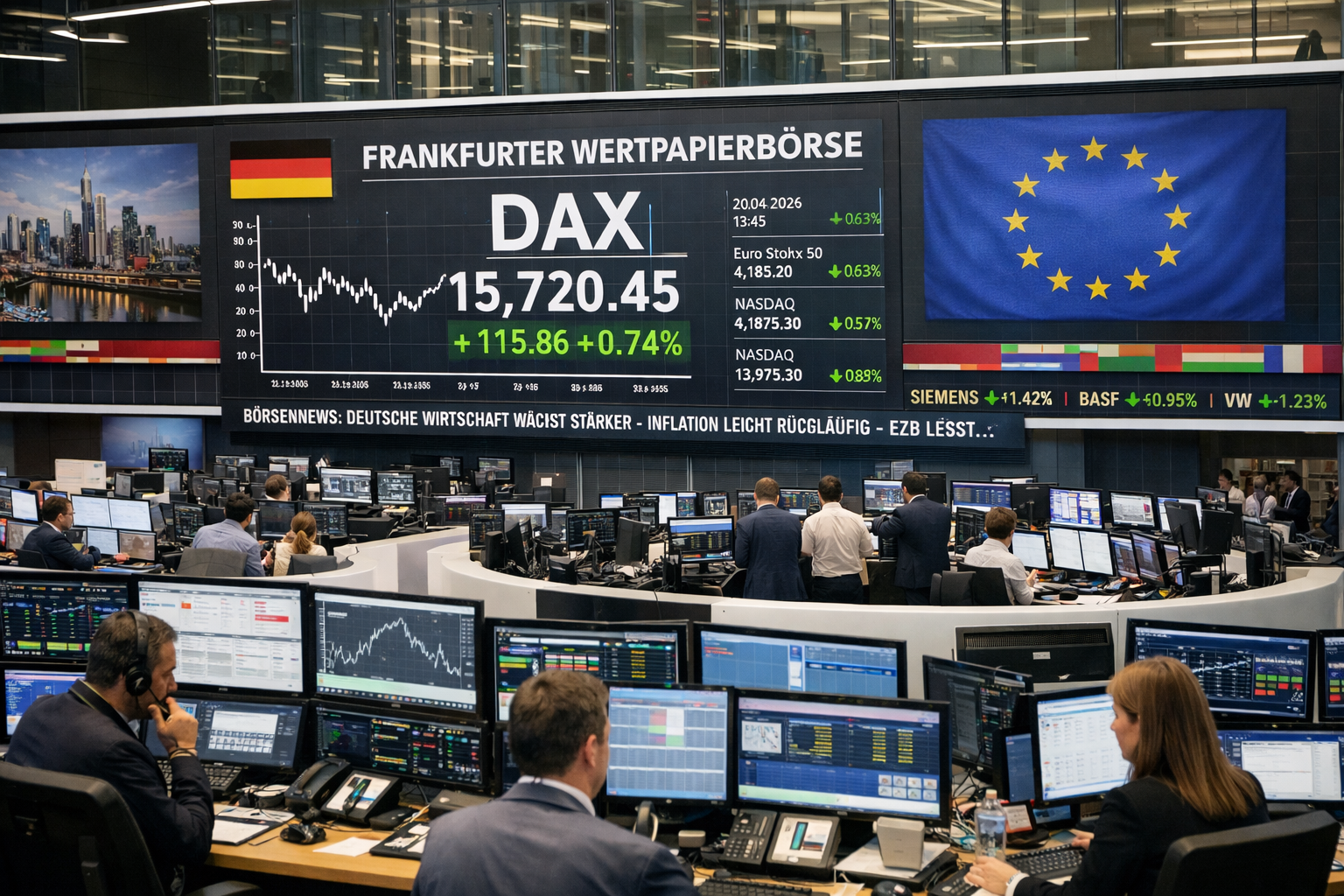
Market Snapshot
- STOXX 600: Down ~0.85% on the week, pressured by geopolitical tensions and rising energy costs
- DAX: Down 1.59% for the prior week period; futures fell 1.15% to €23,670 on Monday May 18
- FTSE 100: Down 0.37% in the most recent weekly reading
- CAC 40: Down 1.97% in the most recent weekly reading; futures fell 1.17% to €7,860 on Monday May 18
Key Drivers
-
Iran war inflation overhang: The ongoing U.S.-Iran conflict continues to be the dominant macro driver for European equities. Geopolitical tensions and rising energy costs are fuelling investor concern about a second inflation shock, pushing the STOXX 600 down and dampening risk appetite across the region.
-
EUR/USD near 1.1625, hawkish Fed weighing on euro: The EUR/USD pair was trading flat near 1.1625 in early Thursday Asian trade, with upside limited by uncertainty around U.S.-Iran negotiations potentially boosting safe-haven demand. A hawkish Federal Reserve stance further constrained the euro's recovery.
-
Diverging European inflation rates: Romania leads Europe with a 9.0% inflation rate, followed by Kosovo and Bulgaria, highlighting the uneven economic impact of the energy shock across EU member states and complicating ECB policy calibration.
-
Eurozone industrial production misses: Industrial production in the eurozone grew by only 0.2% month-over-month in March 2026, falling short of the 0.3% consensus forecast, adding to the evidence of economic fragility.

Earnings & Corporate
- European blue-chip earnings on track for strongest growth since Q4 2022: According to the latest LSEG I/B/E/S data published May 15, European blue-chip companies are set to deliver the strongest earnings growth in more than three years — though revenue is still expected to fall. The divergence between profit expansion (driven largely by cost-cutting) and revenue contraction reflects the challenging top-line environment caused by weakening consumer demand and energy-cost pass-throughs.

- STOXX 600 revenue growth near zero: Broader STOXX 600 companies are forecast to report only 0.2% revenue growth for the most recent reporting period, per LSEG I/B/E/S data from May 7, underscoring how difficult the operating environment remains for European corporates outside the energy sector, which continues to skew aggregate earnings figures higher.
Geopolitics & Energy
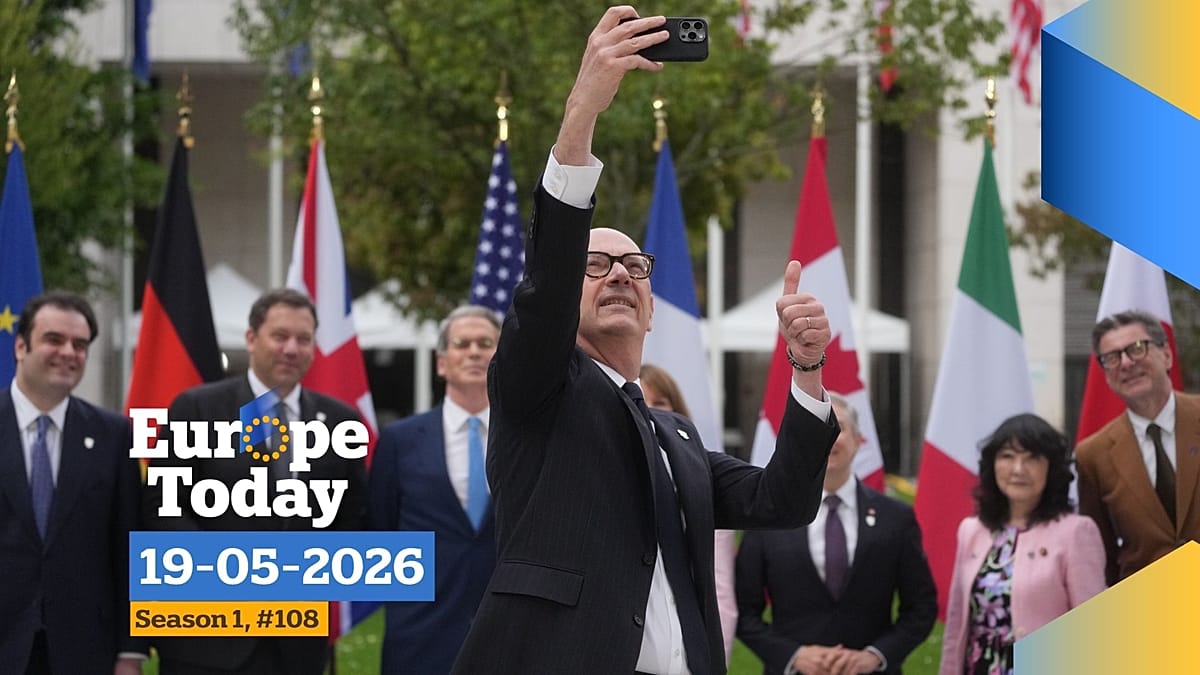
- G7 finance ministers hold emergency energy talks in Paris: G7 finance ministers gathered in Paris on May 19 for a second day of urgent talks focused on rising energy prices, sanctions architecture, and how to contain the economic damage from disruptions in the Strait of Hormuz. Italian Prime Minister Giorgia Meloni called on the EU to treat the energy crisis with the same urgency as defence spending.
-
UK delays Russian oil and gas sanctions to ease soaring prices: In a significant policy shift reported May 20, the UK government announced it is temporarily relaxing "short-term" measures on the import of Russian jet fuel and diesel, and on the shipping of liquefied natural gas (LNG), specifically to help tackle soaring energy prices caused by Middle East disruptions. The move signals the growing tension between maintaining sanctions pressure on Russia and managing domestic energy costs.
-
Oil holds near $110 after Trump delays Iran strike: Crude oil prices steadied near $110 per barrel after U.S. President Trump delayed planned military action against Iran, while Washington extended waivers for buyers of Russian crude. The near-$110 oil price level continues to act as a significant headwind for European energy-intensive industries and household consumption.

What to Watch Next Week
- ECB communications: With the ECB holding rates at 2% since its April 30 decision, markets will watch closely for any signals from ECB officials about whether prolonged inflation above target could prompt a policy rethink. The next ECB rate decision and any scheduled speeches by Governing Council members will be key.
- U.S.-Iran negotiations: Progress — or breakdown — in ongoing U.S.-Iran talks remains the single most important near-term catalyst for European equity and energy markets. Any ceasefire development could sharply relieve oil prices and support a market rebound.
- UK sanctions policy developments: Following this week's partial relaxation of Russian energy sanctions, further UK and EU decisions on sanctions scope — particularly regarding LNG and Russian crude — will be closely monitored by energy traders and European policymakers.
- European inflation data: With Romania at 9.0% and wide divergences across the bloc, any fresh national or eurozone-wide CPI prints will be scrutinised for signs of second-round effects from elevated oil prices.
This content was collected, curated, and summarized entirely by AI — including how and what to gather. It may contain inaccuracies. Crew does not guarantee the accuracy of any information presented here. Always verify facts on your own before acting on them. Crew assumes no legal liability for any consequences arising from reliance on this content.
Powered by
