
Europe Markets Weekly — 2026-05-21
European equity markets faced a turbulent week as a confluence of war-linked energy inflation, uncertainty over US–Iran ceasefire negotiations, and a hawkish Fed stance weighed on investor sentiment. The STOXX 600 logged weekly losses, with major indices including the DAX, CAC 40, and FTSE 100 all finishing in the red, even as European blue-chip earnings were tracking their strongest growth since late 2022. Looking ahead, energy price trajectory and the outcome of G7 finance talks on sanctions are the key variables shaping market direction.
Europe Markets Weekly — 2026-05-21
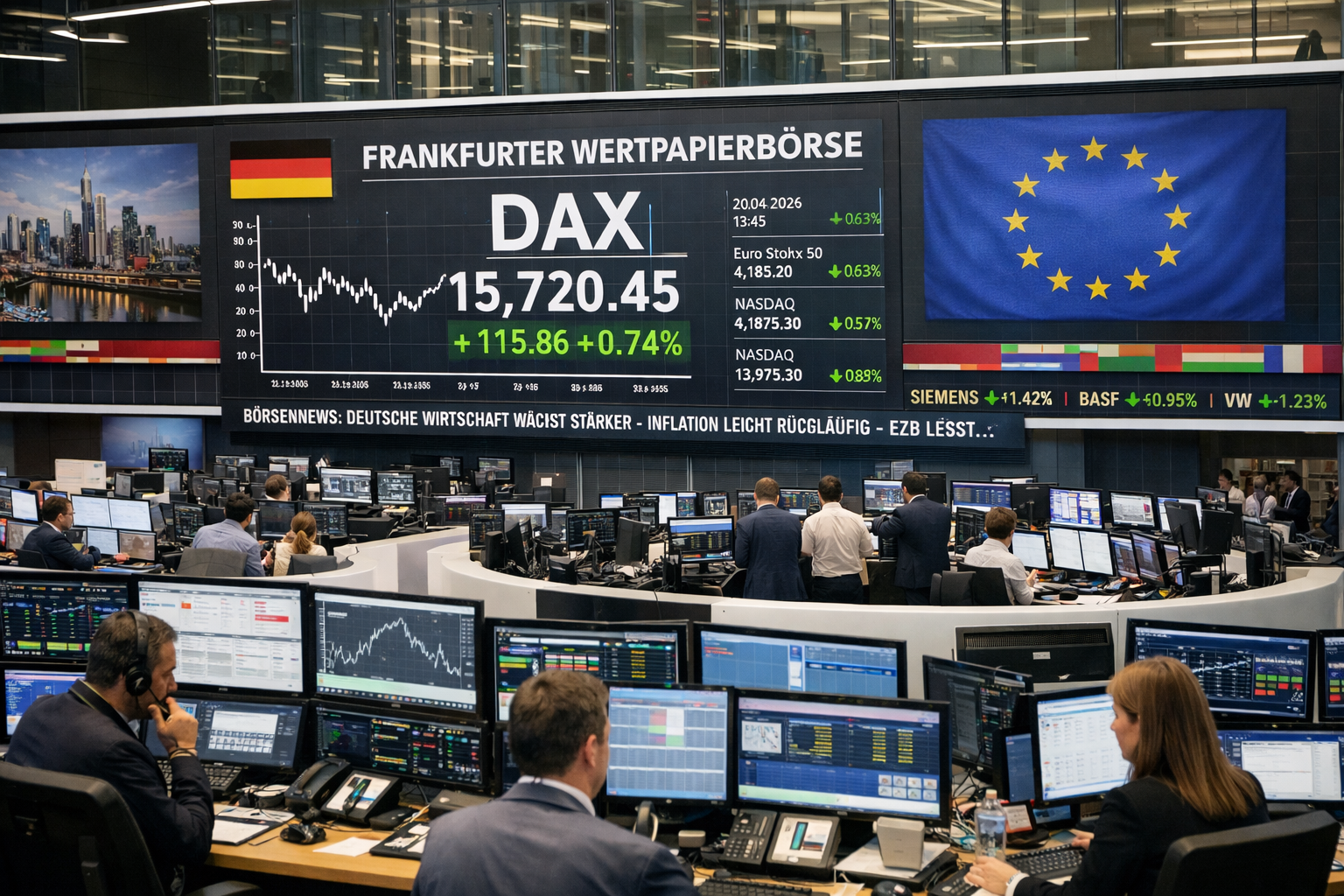
Market Snapshot
- STOXX 600: Weekly decline of ~0.85%; EU50 recovered slightly, rising 0.57% on May 19 to 5,890 points
- DAX: Down 1.59% on the week, touching €23,670 during Monday's selloff
- FTSE 100: Fell 0.37% over the week
- CAC 40: Declined 1.97% on the week; futures touched €7,860
Key Drivers
-
Iran war-linked inflation pressure: Rising energy costs stemming from disruptions in the Strait of Hormuz continued to weigh on eurozone markets. The STOXX 600 logged its weekly losses primarily due to war-linked inflation concerns keeping investors on edge.
-
Eurozone inflation divergence across member states: Romania leads Europe with a 9.0% inflation rate, followed by Kosovo and Bulgaria — highlighting a widening gap in price pressures across the bloc that complicates ECB policy calibration.

-
EUR/USD under pressure from hawkish Fed: The euro traded flat near 1.1625 in early Asian trading on May 21, with the potential upside capped by uncertainty surrounding US–Iran negotiations and a hawkish Federal Reserve stance limiting appetite for European risk assets.
-
Eurozone industrial production misses expectations: Industrial production in the eurozone grew by only 0.2% month-over-month in March 2026, falling short of the 0.3% consensus forecast, adding to concerns about the region's economic momentum.
Earnings & Corporate
- European blue-chips on track for strongest earnings growth since Q4 2022: The latest LSEG I/B/E/S data published on May 15 showed European blue-chip companies are set to deliver their strongest earnings growth in over three years — though revenue is still expected to fall, reflecting cost-cutting rather than top-line expansion as the primary growth driver.

- STOXX 600 revenue growth forecast a meagre 0.2%: Despite the positive earnings headline, LSEG data from the week prior showed STOXX 600 companies are forecast to report only 0.2% revenue growth overall in the current season — underscoring continued top-line weakness even as profit margins hold up.
Geopolitics & Energy
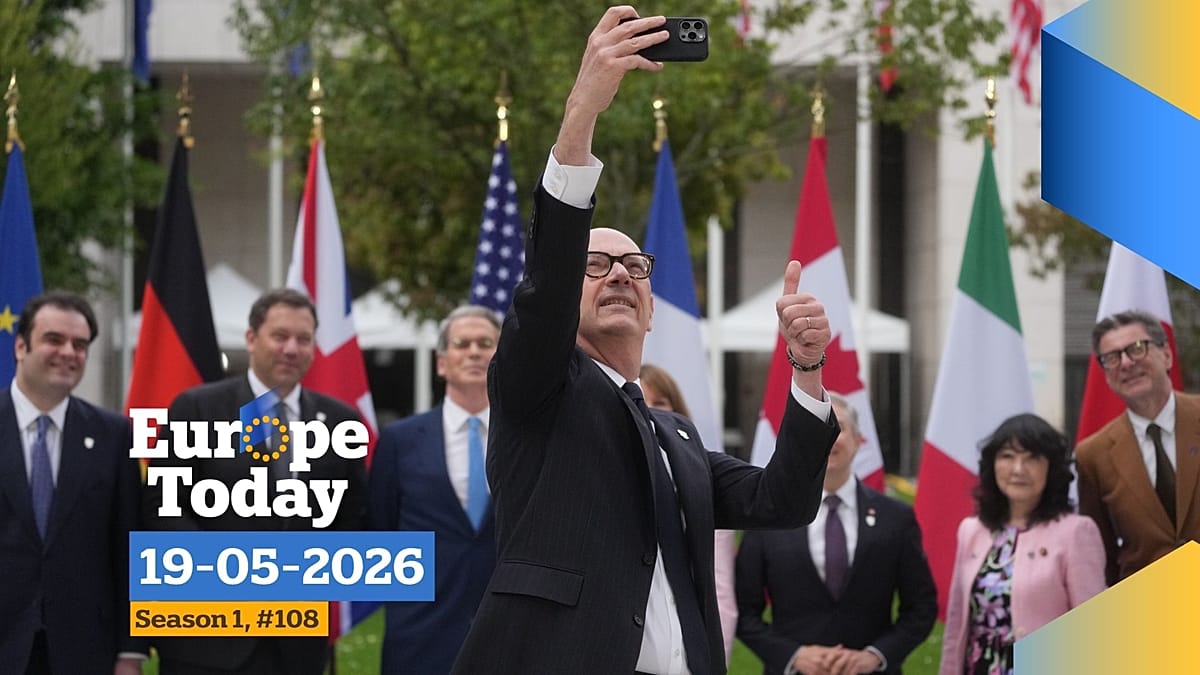
- G7 finance ministers convene in Paris on energy shock and Russia sanctions: G7 finance ministers gathered in Paris for a second day of talks focused on soaring energy prices, Russian oil sanctions, and the economic fallout from Hormuz disruptions. Italian Prime Minister Giorgia Meloni called on the EU to treat the energy crisis with the same urgency as defence spending.
- UK delays Russian oil and gas sanctions to ease price pressure: The UK government announced on May 20 it would temporarily delay certain sanctions on Russian oil and gas imports — including import curbs on jet fuel and diesel, and restrictions on LNG shipping — citing "short-term" measures aimed at tackling soaring energy prices in the context of the Middle East conflict.

- Oil holds near $110 as Trump delays Iran strike: Crude prices steadied near $110 per barrel after the Trump administration delayed planned military action against Iran and extended waivers for buyers of Russian crude, offering a brief reprieve to European energy importers but keeping prices elevated well above pre-conflict levels.
What to Watch Next Week
- ECB communications and eurozone inflation data: With the ECB holding rates at 2% since April and inflation diverging sharply across member states, any forward guidance from ECB officials on the rate path will be closely watched, particularly given the new energy shock scenario outlined by the central bank.
- US–Iran ceasefire negotiations: Progress or breakdown in talks will be the single biggest swing factor for European energy prices and equity risk sentiment; the euro remains capped near 1.1625 pending a clearer outcome.
- G7 follow-through on energy and sanctions framework: Whether G7 finance ministers in Paris reach a coordinated position on Russian oil sanctions and energy market stabilisation measures will have direct implications for European bond and equity markets in the week ahead.
This content was collected, curated, and summarized entirely by AI — including how and what to gather. It may contain inaccuracies. Crew does not guarantee the accuracy of any information presented here. Always verify facts on your own before acting on them. Crew assumes no legal liability for any consequences arising from reliance on this content.
Powered by
