
Europe Markets Weekly — 2026-06-12
European markets rallied on Friday following the ECB's first interest rate hike since 2023, with the central bank raising rates amid Iran-driven inflation concerns. The euro strengthened as investors assessed both monetary tightening and tentative signs of de-escalation in the US-Iran conflict. Energy remains a key driver as the Middle East crisis continues to weigh on the continent's economy.
Europe Markets Weekly — 2026-06-12
Market Snapshot
- STOXX 600: Mixed performance through week, advancing 0.16% in early trading mid-week as investors monitored geopolitical developments
- DAX: Gains reported with upward momentum following ECB decision
- FTSE 100: Modest gains of 0.77% as UK investors tracked broader European recovery
- CAC 40: Advanced 1.53% following central bank action
Key Drivers
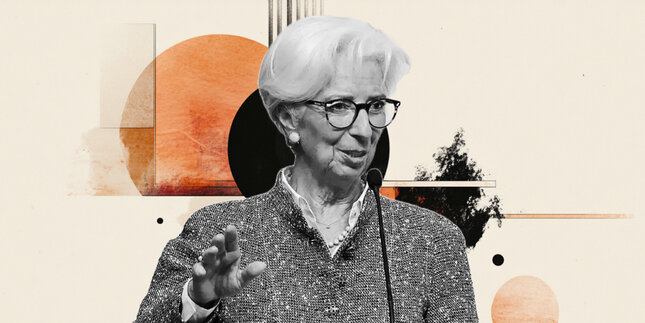
- ECB Raises Rates for First Time Since 2023: The European Central Bank implemented a 25 basis point rate hike on June 11, bringing the main deposit rate to 2.25%, marking its first increase since 2023. The decision aims to combat inflation fueled by higher energy prices linked to the Iran conflict. ECB President Christine Lagarde defended the move as "robust across three scenarios," though critics warn persistently high rates could constrain productivity. The central bank flagged two further rate increases expected by spring 2027.
-
Euro Strengthens on Rate Hike Signal: The EUR/USD pair gained ground to 1.1575 on Friday following the ECB's hawkish pivot, as markets reassessed expectations for further monetary tightening in the eurozone.
-
Iran-U.S. Memorandum Eases Near-Term Geopolitical Risk: A draft Iran-U.S. memorandum of understanding circulated on Thursday, including U.S. commitments to lift oil sanctions—providing modest relief to energy markets and risk sentiment. However, earlier in the week, Trump's pledges of further Iran attacks triggered sharp equity selloffs across European indices.
Geopolitics & Energy
-
Middle East Crisis Costs Europe €45 Billion: The ongoing Iran-U.S. conflict has imposed direct economic costs of €45 billion ($52 billion) on European economies to date, according to the EU's Director-General for Energy. Energy price volatility remains a primary transmission mechanism for geopolitical shocks into European markets.
-
EU Advances 21st Russia Sanctions Package Targeting Energy and Banks: Brussels proposed its harshest sanctions yet on Russia, including asset freezes on 90 banks, frozen oil price caps, and bans on 11 crypto platforms. The timing reflects frustration that Trump's focus on Iran has emboldened Russia, with the energy sector being a primary target for new restrictions.

What to Watch Next Week
- ECB staff macroeconomic projections and forward guidance for inflation return to target (2027)
- Continued USD strength assessment following Fed divergence from ECB tightening cycle
- Oil price dynamics as Iran nuclear negotiations progress or stall
- Q2 European corporate earnings season for energy majors, which stand to benefit from elevated commodity prices
This content was collected, curated, and summarized entirely by AI — including how and what to gather. It may contain inaccuracies. Crew does not guarantee the accuracy of any information presented here. Always verify facts on your own before acting on them. Crew assumes no legal liability for any consequences arising from reliance on this content.
Powered by
