
Europe Markets Weekly — 2026-05-23
European markets navigated a volatile week as the Strait of Hormuz crisis continued to push energy prices higher, weighing on growth forecasts while boosting energy stocks. The FTSE 100 snapped a four-week losing streak on May 22, lifted by energy sector gains, even as eurozone PMI data revealed private sector activity contracting at its sharpest pace in over two-and-a-half years. The ECB faces an increasingly difficult policy dilemma with inflation rising and growth stalling simultaneously.
Europe Markets Weekly — 2026-05-23
Market Snapshot
- STOXX 600: Finished marginally higher on May 21 after oscillating between gains and losses; Stoxx 50 futures had pulled back to ~€5,746 earlier in the week
- DAX: Fell 1.15% to approximately €23,670 mid-week before recovering some ground
- FTSE 100: Rose 0.16% on May 22 to 10,460, snapping a four-week losing streak, driven by energy stock gains
- CAC 40: CAC 40 futures fell 1.17% to ~€7,860 during mid-week selloff before stabilising

Key Drivers
-
Eurozone PMI shock: Economic activity in the euro zone shrank at its sharpest rate in more than two-and-a-half years in May, as the war-driven surge in living costs hammered demand for services and firms accelerated layoffs. Banks were broadly lower, with UniCredit and Intesa Sanpaolo dropping around 2%, while chemical firms BASF and Air Liquide gained roughly 2%.
-
ECB policy dilemma intensifies: Inflation in the largest eurozone economies likely rose in May or remained elevated, raising the question of whether the ECB will raise interest rates in June — a move that would mark a significant policy shift given slowing growth. The ECB held rates at 2% at its April meeting.
- European Commission slashes growth forecast: The EU's Spring Economic Forecast, published May 21, projects weaker economic activity as the Strait of Hormuz crisis has triggered the second major energy shock in less than five years. Officials warned EU energy prices will likely remain elevated through 2027, pushing eurozone inflation to approximately 3.1%.

-
Nvidia earnings ripple into European tech: European stocks dipped on May 21 in part as investors assessed Nvidia's record sales and income — strong AI results boosted optimism in tech-adjacent sectors but also raised concerns about stretched valuations. Stocks finished flat-to-higher on May 22 as sentiment steadied.
-
Iran's Supreme Leader orders uranium to remain in-country: European stocks reversed early losses on May 21 after Iran's Supreme Leader ordered the country's near-weapons-grade uranium to stay within Iran's borders — a development investors interpreted cautiously amid ongoing U.S.-Iran peace talks.
Earnings & Corporate
- European blue-chip earnings trajectory: STOXX 600 companies are on track to deliver their strongest earnings growth since Q4 2022, per the latest LSEG I/B/E/S data through mid-May. However, revenue is still expected to fall, reflecting the squeeze on top-line growth from the energy shock even as cost-cutting has preserved margins.

- FTSE 100 energy leaders: BP led FTSE 100 gainers with a 3.16% surge on May 22, as energy stocks broadly outperformed amid sustained high oil prices linked to Hormuz supply uncertainty. The energy-driven bounce helped the UK index snap its losing streak.
Geopolitics & Energy
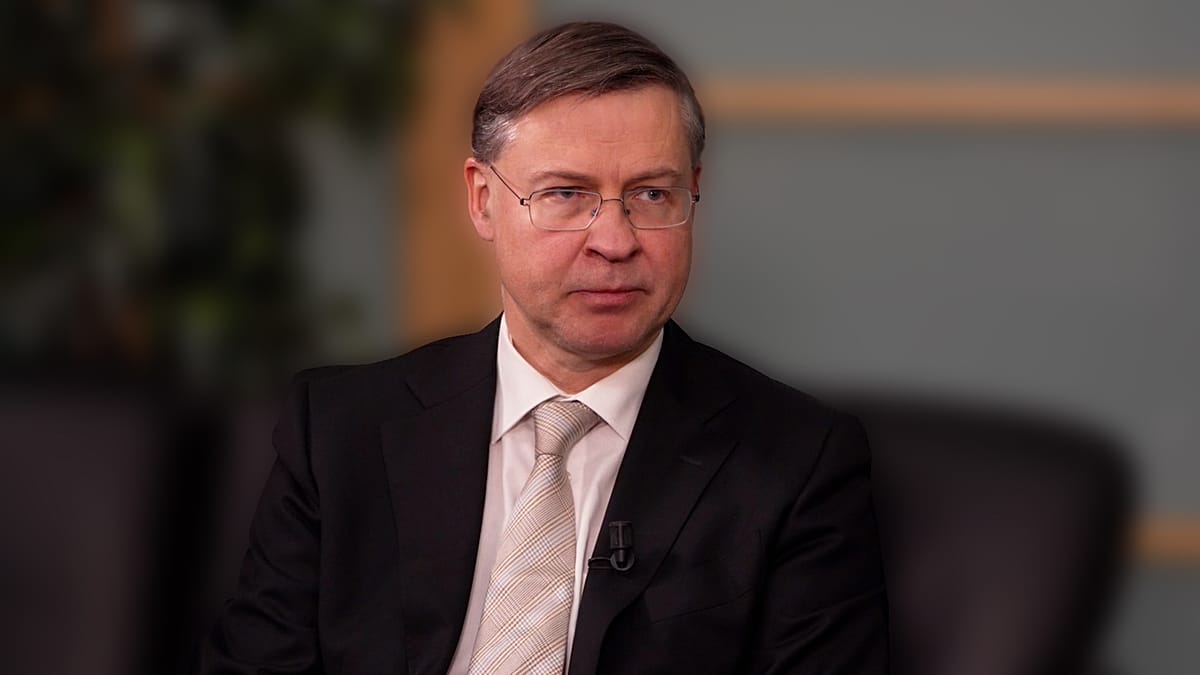
- EU rules out return to Russian energy: European Commissioner for the Economy Valdis Dombrovskis said the EU will not ease its sanctions regime on Russia to access cheaper oil or gas, even as the Middle East energy crisis bites. Dombrovskis stated Russia is "milking the crisis" for energy profits, and that the bloc is committed to its current sanctions stance.
-
UK quietly delays some Russia sanctions: The UK government has temporarily delayed certain sanctions on Russian oil and gas, including measures covering imports of jet fuel, diesel, and LNG shipping, citing the need to tackle soaring domestic energy prices. The move contrasts with the EU's hardened stance and comes ahead of UK-EU energy cooperation talks.
-
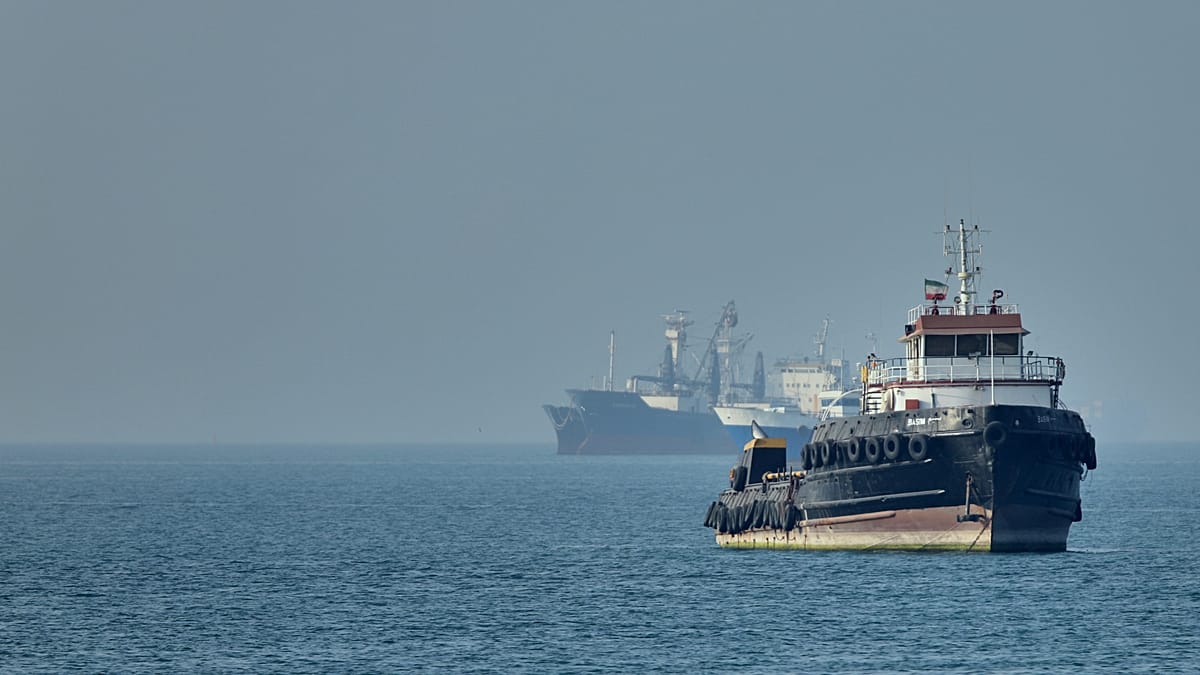
Strait of Hormuz crisis drives EU forecast downgrade: The EU's official Spring Economic Forecast cited the Strait of Hormuz crisis as the primary driver of its 2026 growth downgrade, with no end to the conflict in sight and member states calling for additional fiscal support measures to cushion the blow of rising energy costs.
What to Watch Next Week
- Eurozone inflation flash estimates: May CPI data from France, Italy, Germany, and Spain will be closely watched ahead of the ECB's June meeting; a sustained rise could force a rate hike decision
- ECB June meeting preparation: Markets will monitor any ECB governing council commentary for signals on whether a June rate increase is on the table, given the stagflationary backdrop
- Iran-U.S. peace talks: Any breakthrough or breakdown in negotiations — particularly regarding the Strait of Hormuz — will have immediate implications for European energy prices and equity sentiment
- G7 finance ministers follow-up: After energy shock and sanctions discussions dominated the Paris G7 finance talks, further policy announcements on coordinated energy responses or sanctions adjustments could move European markets
This content was collected, curated, and summarized entirely by AI — including how and what to gather. It may contain inaccuracies. Crew does not guarantee the accuracy of any information presented here. Always verify facts on your own before acting on them. Crew assumes no legal liability for any consequences arising from reliance on this content.
Powered by
