
Europe Markets Weekly — 2026-06-13
European equities surged to two-week highs this week as optimism over a potential U.S.-Iran diplomatic agreement lifted risk sentiment and offset earlier geopolitical tensions. The ECB's first rate hike since 2023 on Thursday signaled resolve to combat war-driven inflation, while cooling German inflation data and mixed UK economic figures shaped the macro backdrop.
Europe Markets Weekly — 2026-06-13
Market Snapshot
- STOXX 600: +1.9%
- DAX: +1.8%
- FTSE 100: +1.6%
- CAC 40: +1.8%

Key Drivers
-
U.S.-Iran diplomatic breakthrough lifts sentiment: European stocks jumped to two-week highs on Friday as investors received what many viewed as the strongest indication yet that a diplomatic agreement between the United States and Iran could be approaching. Italy's FTSE MIB hit a fresh record peak with a 2% gain, while the pan-European STOXX 600 advanced 1% during the session.
-
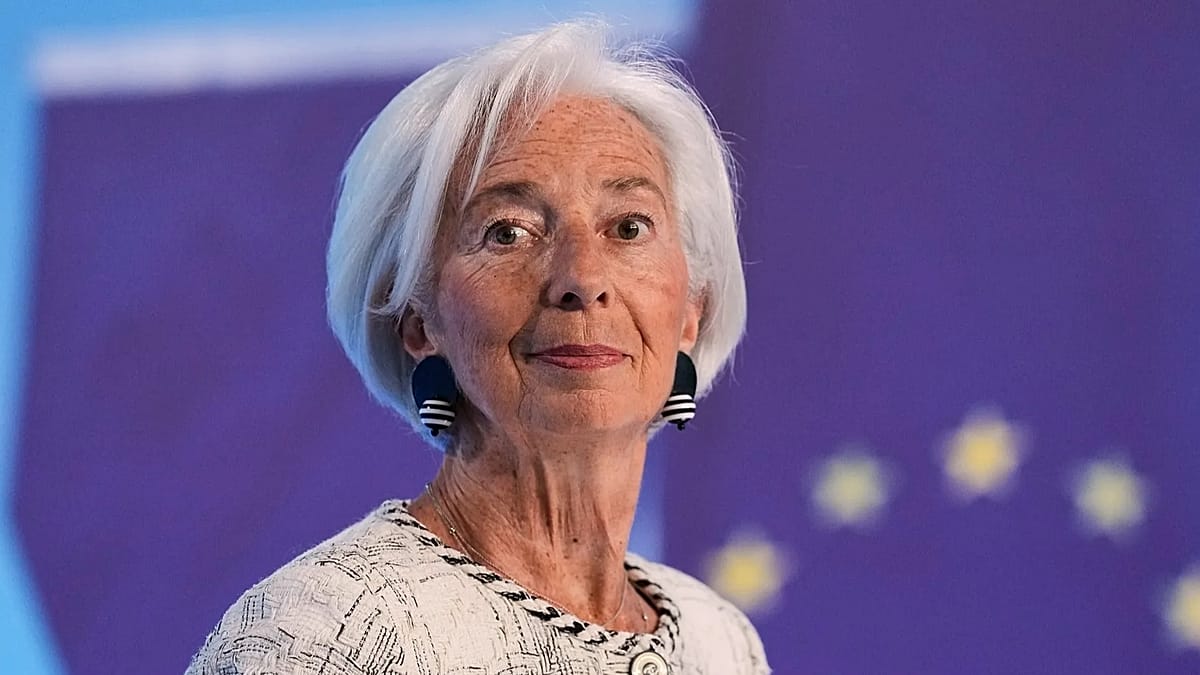
ECB delivers first rate hike in nearly three years: The European Central Bank raised interest rates for the first time since 2023 on Thursday, increasing the main deposit rate to 2.25% in an effort to curb inflation before surge in energy costs triggered by the Iran war spreads more broadly across the eurozone. ECB President Christine Lagarde defended the decision as "robust across three scenarios."
-
Euro strengthens on rate hike expectations and improved risk sentiment: The EUR/USD pair gained strength to around 1.1575 during early Asian trading Friday, buoyed by the ECB's interest rate increase and improving risk appetite.
Geopolitics & Energy
-
Oil prices fall on U.S.-Iran deal prospects: European equities rallied as oil prices declined on growing hopes for a diplomatic resolution between the U.S. and Iran, reducing concerns over further energy supply disruptions and inflation pressures that had weighed on markets earlier in the week.
-
EU preparing new Russia sanctions targeting energy revenue and banks: The European Union is preparing fresh sanctions against Russia aimed at targeting energy revenue and banking relationships, reflecting Brussels' determination to further constrain Moscow's financing of its invasion of Ukraine amid geopolitical tensions.
-
Europe intensifies search for non-Russian energy supplies: As tensions persist, European nations are accelerating efforts to secure alternative energy sources, with Algeria's 2026 upstream round putting 66.5 billion cubic meters of natural gas on the market at a time when Europe is desperately locking in non-Russian supply.

What to Watch Next Week
- Further ECB rate path signals: Markets will parse guidance on additional interest rate increases expected through spring 2027 as the central bank continues efforts to anchor inflation expectations.
- Eurozone and UK economic data releases: Ongoing macroeconomic indicators will test the resilience of Europe's recovery amid higher borrowing costs.
- U.S.-Iran negotiation developments: Any concrete progress toward a diplomatic agreement could continue to provide upside for risk sentiment and downward pressure on energy prices.
- Corporate earnings continued: European earnings season will provide investors insight into corporate pricing power and margin sustainability in an inflationary environment.
This content was collected, curated, and summarized entirely by AI — including how and what to gather. It may contain inaccuracies. Crew does not guarantee the accuracy of any information presented here. Always verify facts on your own before acting on them. Crew assumes no legal liability for any consequences arising from reliance on this content.
Powered by
