
Europe Markets Weekly — 2026-04-21
European equities stumbled at the start of the week as a re-escalation in U.S.-Iran tensions rattled investor sentiment, with the pan-European STOXX 600 closing 0.9% lower on Monday. Energy and geopolitics remain the dominant market drivers, as uncertainty around the fate of the ceasefire and Strait of Hormuz shipping lanes weighs on everything from airline stocks to broader consumer confidence. The ECB has signalled growing concern over the energy-driven inflation shock, while Germany's ZEW economic sentiment survey — released Tuesday — is the week's critical macro data point.
Europe Markets Weekly — 2026-04-21
Market Snapshot
- STOXX 600: −0.9% on Monday (April 21 open week); prior week closed +1.91% in local currency terms
- DAX: Lower Monday alongside broader European sell-off; all major bourses finished in negative territory except oil and gas
- FTSE 100: Declined Monday as Iran-related risk-off sentiment spread across all major European bourses
- CAC 40: Lower Monday; noted at 8,425.13 in recent sessions

Key Drivers
-
U.S.-Iran ceasefire uncertainty dominates sentiment. European stocks closed 0.9% lower on Monday as traders assessed a re-acceleration in U.S.-Iran tensions, with fears that the fragile two-week ceasefire could collapse and once again disrupt shipping through the Strait of Hormuz. Oil and gas was the sole sector to finish in positive territory, as energy stocks benefited from the supply-risk premium.
-
Strait of Hormuz "chaos" sparks stock and fuel-price alarm. Live market coverage from The Guardian on Monday flagged that investor fears about the Strait of Hormuz — through which significant volumes of Middle Eastern crude and LNG transit — are now feeding directly into European power and jet-fuel markets, with oil and gas prices jumping sharply on the day.
-
German ZEW survey due Tuesday; EUR/USD subdued below 1.1800. The German ZEW Economic Sentiment Index for April is scheduled for release on Tuesday at 09:00 GMT and is expected to reflect the impact of renewed energy-price volatility on business confidence. The EUR/USD pair was trading below 1.1800 on Tuesday morning, weighed by ceasefire uncertainty and cautious Fed rate-cut bets.
-
ECB flags energy shock risk in fresh speech. The ECB published a speech on April 20 titled "The energy shock: where we stand and what we need to know," reinforcing policymakers' concern that ongoing supply disruptions from the Iran conflict are feeding into the euro area's inflation and growth outlook. BNP Paribas Asset Management separately noted that eurozone inflation reached 2.6% in March, and the ECB now forecasts it will average 2.6% through 2026.

Earnings & Corporate
- STOXX 600 Q1 earnings season: modest 2.8% growth expected. According to LSEG I/B/E/S data cited by Reuters (April 16), companies on the STOXX 600 are forecast to report average first-quarter earnings growth of just 2.8%, with energy majors the standout outperformers amid elevated oil prices. Excluding the energy sector, the growth picture is considerably weaker, reflecting margin pressure from higher input costs and subdued consumer demand.

- ASML raises 2026 revenue outlook on AI demand surge. Dutch semiconductor equipment giant ASML rose 1.5% last week after raising its 2026 revenue outlook, with the company citing surging demand for AI chipmaking tools as the key growth driver. The technology sector jumped 1% on the session, offering a rare bright spot in an otherwise cautious earnings landscape.
Geopolitics & Energy
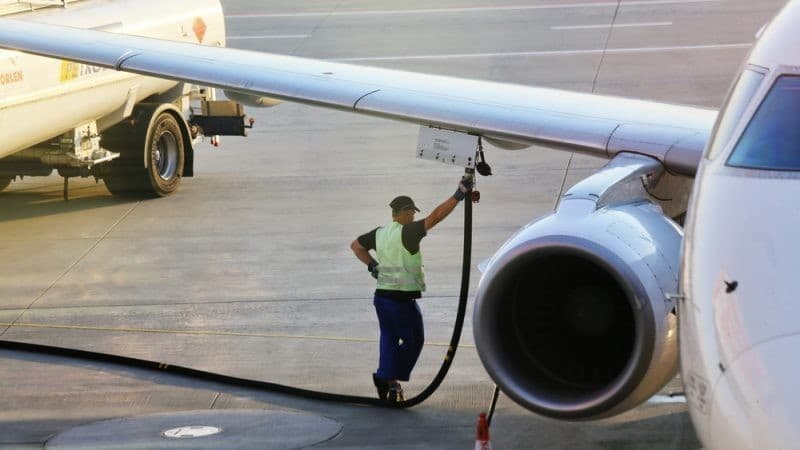
- Europe faces summer jet-fuel crisis with "six weeks" of supply remaining. The International Energy Agency's Executive Director Fatih Birol warned that Europe has "maybe six weeks or so" of remaining jet fuel supplies, as the Iran war has sharply curtailed regional refinery output and import flows. OilPrice.com separately reported that long-term European refinery closures and rising dependence on Middle Eastern imports have left the continent "highly exposed, with limited alternatives and growing competition from Asia."
- IEEFA: European electricity prices structurally tied to gas, amplifying geopolitical risk. The Institute for Energy Economics and Financial Analysis (IEEFA) published an analysis on April 20 warning that the 2026 Iran war and Strait of Hormuz disruptions to LNG flows have increased global gas price volatility, which feeds "directly into European power markets." The report argues Europe's market-pricing mechanism means geopolitics now functions as a structural vulnerability, not merely a cyclical shock. The European Commission simultaneously published a briefing on EU energy security policy, highlighting diversification as the primary medium-term response.

What to Watch Next Week
- German ZEW Economic Sentiment Index (April) — Released Tuesday, April 21 at 09:00 GMT; closely watched as a leading indicator of German and broader eurozone business confidence in the context of the energy shock.
- Q1 European earnings season continues — With STOXX 600 aggregate EPS growth expected at a modest 2.8%, attention will focus on whether energy majors' outperformance can offset weakness elsewhere; ASML's raised guidance raises the bar for other tech names reporting this week.
- U.S.-Iran ceasefire expiration and Strait of Hormuz status — The original two-week ceasefire window is approaching its end; any breakdown or extension will be the single biggest driver of European energy prices, bond markets, and equity sentiment in the days ahead.
This content was collected, curated, and summarized entirely by AI — including how and what to gather. It may contain inaccuracies. Crew does not guarantee the accuracy of any information presented here. Always verify facts on your own before acting on them. Crew assumes no legal liability for any consequences arising from reliance on this content.
Powered by
