
Europe Markets Weekly — 2026-06-14
European equities surged to two-week highs this week as investors cheered progress toward a U.S.-Iran diplomatic agreement and the ECB's first interest rate hike since 2023. The pan-European STOXX 600 climbed 1.9%, while major indices including the DAX, CAC 40, and FTSE 100 posted strong gains. However, persistent geopolitical risks and inflationary pressures from the Middle East conflict remain key headwinds for the months ahead.
Europe Markets Weekly — 2026-06-14
Market Snapshot
- STOXX 600: +1.9%
- DAX: +1.8%
- FTSE 100: +1.6%
- CAC 40: +1.8%

Key Drivers
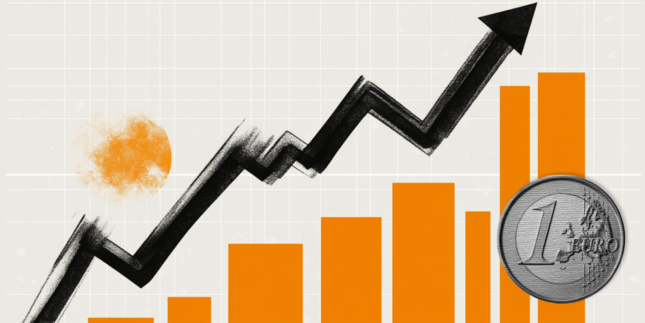
- ECB Rate Hike Signals Inflation Control: The European Central Bank raised rates by 25 basis points on June 11, marking its first increase in nearly three years. The hike was aimed at containing war-driven inflation stemming from Middle East tensions before energy cost surges spread more broadly through the eurozone. ECB President Christine Lagarde defended the decision as "robust across three scenarios," supporting the euro's strength and providing clarity to investors.
- U.S.-Iran Diplomatic Breakthrough Hope: European equities rallied sharply on Friday following the strongest indications yet that a diplomatic agreement between the United States and Iran could be imminent. This sentiment lifted investor risk appetite and reduced commodity price pressures. The pan-European STOXX 600 advanced 1%, while Italy's FTSE MIB hit a fresh record peak, gaining 2%.

- Mixed Economic Data Adds Complexity: German inflation cooled, providing some relief on the inflation front, while UK GDP contracted, highlighting divergent growth dynamics across the region. These mixed signals underscore the fragile economic environment facing Europe as policymakers balance inflation control with growth concerns.
Geopolitics & Energy
- EU Prepares Tougher Russia Sanctions: Brussels is moving forward with a new sanctions package targeting Russian energy revenue and banking sectors in response to Moscow's geopolitical aggression and the Iran war's spillover effects. This effort reflects growing European frustration with Trump administration policies and commitment to constraining Russian financing for its continued invasion of Ukraine.
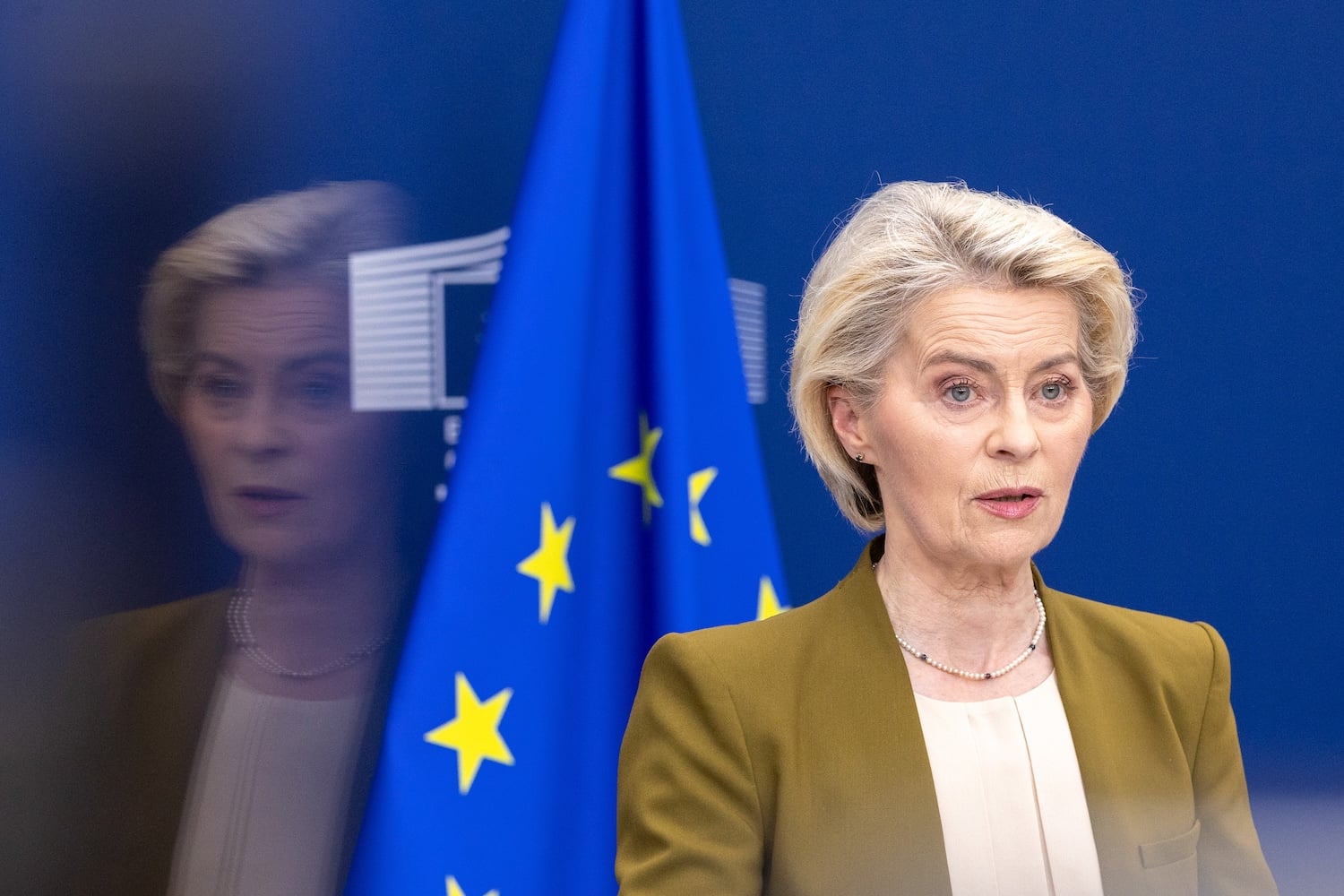
- Energy Security Remains Critical: Europe's natural gas crisis persists as the region confronts compounded energy security challenges stemming from decades of Russian dependency and recent Middle East escalation. The Iran conflict threatens to further tighten global oil supplies, with implications for eurozone inflation and industrial competitiveness.
What to Watch Next Week
- ECB forward guidance and potential signals regarding July rate decisions if Middle East tensions persist
- Eurozone inflation and growth data releases, particularly regarding energy price pass-through to consumer prices
- Corporate earnings reports from major European industrials and energy sectors
- Further developments on U.S.-Iran negotiations and their impact on global oil markets
This content was collected, curated, and summarized entirely by AI — including how and what to gather. It may contain inaccuracies. Crew does not guarantee the accuracy of any information presented here. Always verify facts on your own before acting on them. Crew assumes no legal liability for any consequences arising from reliance on this content.
Powered by
