
Europe Markets Weekly — 2026-05-24
European equity markets posted a weekly gain of approximately 2.3% for both the STOXX 50 and STOXX 600, driven by optimism around a potential US-Iran deal that could reopen the Strait of Hormuz. However, persistent energy price pressures, sliding eurozone PMIs, and the European Commission's warning that elevated oil and gas costs will weigh on growth through at least 2027 tempered the rally. Investors face a challenging backdrop of stubbornly high inflation and slowing economic momentum as geopolitical uncertainty remains the dominant market variable.
Europe Markets Weekly — 2026-05-24
Market Snapshot
- STOXX 600: +~2.3% for the week, with the index finishing Thursday marginally higher after oscillating between gains and losses
- DAX: –1.59% in the most recent full weekly reading
- FTSE 100: Rose 0.16% on May 22, reaching 10,460, snapping a four-week losing streak, driven by energy sector gains
- CAC 40: –1.97% in the prior weekly reading
Key Drivers
-
Iran war optimism lifts indices mid-week, then fades: European stocks reversed earlier losses on Thursday after Iran's Supreme Leader ordered near-weapons-grade uranium to remain inside the country, briefly fuelling hopes of de-escalation. The broader optimism around a potential US-Iran peace deal underpinned the week's ~2.3% gain for the STOXX 600 and STOXX 50, but sentiment remained fragile as investors weighed the risk of a prolonged conflict.
-
Eurozone PMIs slide into contraction: The Euro held roughly flat on Thursday after eurozone PMIs slipped into contraction territory, underscoring deepening economic damage from the energy shock and the Iran war. FXStreet noted the currency's apparent stability masked deteriorating underlying data.
- European Commission slashes growth outlook: The European Commission warned this week that the euro zone economy will slow in 2026 as the Middle East conflict has triggered a second energy shock in less than five years, echoing the disruption caused by Russia's invasion of Ukraine. The severity of the economic hit will depend on how long the conflict continues.

- ECB speech signals caution on world economy: An ECB official delivered a speech titled "Europe and the world economy" on May 22, with markets watching closely for any signals on the path of interest rates amid the stagflationary crosscurrents of high energy inflation and slowing growth.
Earnings & Corporate
-
European blue-chip earnings on track for strongest growth since late 2022: According to the latest LSEG I/B/E/S data published May 15, STOXX 600 blue-chip companies are forecast to deliver their strongest earnings growth since Q4 2022, though revenue is still expected to decline. The divergence between profit growth and revenue contraction reflects aggressive cost-cutting and margin management by European corporates amid the energy shock.
-
STOXX 600 companies estimated below fair value in May 2026: Analysis from Simply Wall St flagged this week that the STOXX Europe 600 recently posted a decline of 0.85% as rising energy costs and geopolitical tensions kept pressure on valuations. Despite the headwinds, robust corporate earnings growth is highlighted as a potential positive catalyst for re-rating, with many stocks still trading below estimated intrinsic value.
Geopolitics & Energy
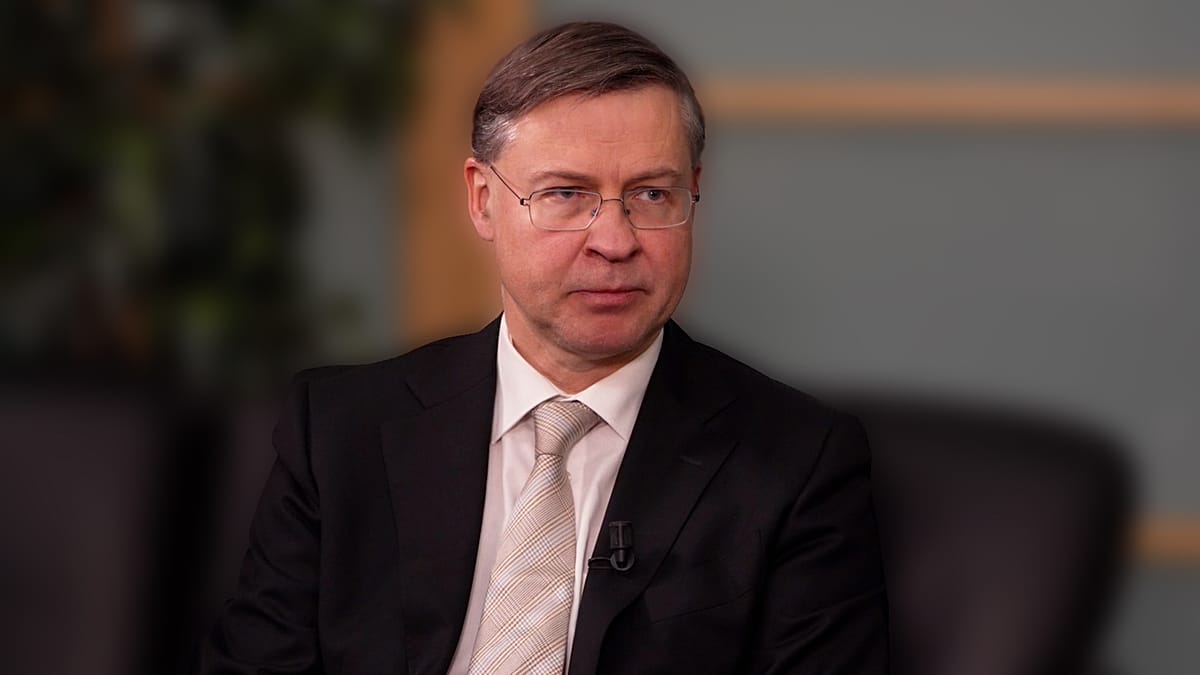
- EU rejects return to Russian energy; warns prices stay high until 2027: EU Economy Commissioner Valdis Dombrovskis stated unequivocally this week that the bloc will not ease sanctions on Russian oil or gas to obtain cheaper supplies, even as the energy crisis bites. EU officials separately warned that oil and gas prices are expected to remain elevated through at least the end of 2027, with eurozone inflation projected to reach 3.1% as the Iran war continues to disrupt global supply chains.
- Norway accelerates North Sea production as Europe scrambles for supply: Published within the last 24 hours, OilPrice.com reports that Norway is doubling down on oil and gas output and reopening old North Sea fields to help stabilise Europe's energy supply. The move comes amid ongoing disruptions linked to the Strait of Hormuz crisis and persistent sanctions on Russian energy exports. The UK also separately moved to delay some sanctions on Russian oil and gas imports — specifically on jet fuel, diesel, and LNG shipping — as a short-term measure to combat soaring prices.

What to Watch Next Week
- ECB policy signals and eurozone inflation data: With the ECB maintaining its deposit rate at 2% since April and PMIs now in contraction, markets will parse any ECB communications for hints on whether rate cuts could re-enter the picture if growth deteriorates further.
- Iran nuclear talks developments: Progress — or breakdown — in US-Iran negotiations remains the single biggest market catalyst. Any movement on the Strait of Hormuz situation could sharply move energy prices and European equities in either direction.
- European corporate earnings season tail end: Blue-chip earnings results continue to trickle in; investors will watch whether the strong profit-growth trend noted by LSEG I/B/E/S holds as energy costs bite into margins in Q2.
- EU energy policy response: Following this week's G7 finance minister talks in Paris on energy prices and sanctions, further EU-level policy announcements on energy diversification and price relief measures are possible.
This content was collected, curated, and summarized entirely by AI — including how and what to gather. It may contain inaccuracies. Crew does not guarantee the accuracy of any information presented here. Always verify facts on your own before acting on them. Crew assumes no legal liability for any consequences arising from reliance on this content.
Powered by
