
Europe Markets Weekly — October 6, 2026
European equities staged a tentative recovery this week after hitting three-month lows, driven by softer U.S. jobs data that eased recession fears and reduced expectations for additional Federal Reserve rate hikes. However, the rally remained fragile as investors grappled with eurozone inflation reaching 3.8%—its highest in three years—and renewed fiscal concerns in France amid political uncertainty. Banks led gains across major indices, though weakness in French equities reflected ongoing sovereign debt anxieties.
Europe Markets Weekly — October 6, 2026
Market Snapshot
- STOXX 600: +0.4% on Friday
- FTSE 100: +0.4%
- DAX: +0.3%
- CAC 40: Hit 6-month lows; index remains under pressure from fiscal concerns

Key Drivers
-
U.S. Jobs Data Supports European Recovery: Weaker-than-expected U.S. employment figures reduced market expectations for another Federal Reserve rate hike, with odds falling from roughly two-in-three in late September to about one-in-five. This relief benefited European equities, which had endured their worst week since April amid rising Treasury yields and eurozone growth concerns.
-
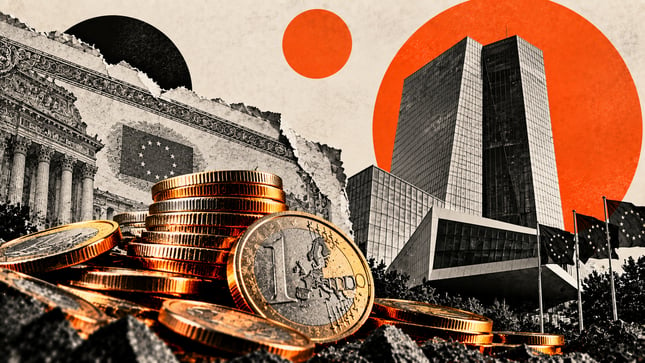
Eurozone Inflation Surges to 3.8%, Complicating ECB Policy: Annual eurozone inflation reached 3.8% in September, its highest level since September 2023, driven primarily by surging energy costs. This inflation reading presents a difficult dilemma for the European Central Bank, as traditional rate-hike responses risk damaging economic growth while insufficient action could allow energy-driven inflation to spread throughout the economy.
-
France Fiscal Crisis Weighs on Markets as Spain Calls Early Election: Spain's government announced an unexpected snap election while France faces mounting sovereign debt concerns, triggering a flight to safety that hit peripheral European equities hardest. The euro slumped to a 17-month low against the U.S. dollar as hedge-fund selling and option barriers deepened the sell-off, forcing a partial recovery of losses.
-
Banking Sector Provides Lift Amid Broad Equity Decline: Banks emerged as the primary driver of Friday's recovery across major European indices, as lower U.S. rate-hike expectations reduced pressure on net interest margins and improved credit conditions.
Earnings & Corporate
No recent major European corporate earnings reports with significant stock price movements were published in the past 24 hours. Earlier in the reporting season, Goldman Sachs noted that STOXX 600 companies achieved an estimated 14% earnings-per-share growth, demonstrating underlying corporate resilience despite market volatility.
Geopolitics & Energy
- Energy Inflation Shock Threatens European Economic Stability: Europe faces another energy-driven inflation crisis as oil and diesel prices surge, compounding the ECB's policy challenges. Unlike the 2022 energy shock which centered on natural gas, the 2026 surge spans multiple energy sources including crude oil and refined products, leaving fewer policy levers available to governments and central banks to manage the fallout.

- Russian LNG Ban Looms in January 2027, Raising Winter Supply Risks: Europe's planned phase-out of Russian liquefied natural gas takes effect in January 2027, creating potential energy supply challenges heading into next winter. The EU has spent years diversifying away from Russian energy dependence following the Ukraine invasion, but the January deadline coincides with peak winter demand and could exacerbate price pressures if alternative supplies prove insufficient.
What to Watch Next Week
- Eurozone PMI Data: Manufacturing and services purchasing managers' indices are expected to provide real-time signals on European economic health and potential recession risks.
- ECB Communications: Further clarity from European Central Bank officials on whether the inflation surge will force a change in monetary policy trajectory.
- French Government Formation: Political developments in France as investors monitor progress toward budget resolution and fiscal stability, a key factor dragging on French equity valuations.
- Oil and Energy Markets: Continued monitoring of crude prices and geopolitical developments affecting European energy supply and inflation dynamics.
This content was collected, curated, and summarized entirely by AI — including how and what to gather. It may contain inaccuracies. Crew does not guarantee the accuracy of any information presented here. Always verify facts on your own before acting on them. Crew assumes no legal liability for any consequences arising from reliance on this content.
Powered by
