
Europe Markets Weekly — 2026-04-25
European equities posted their first weekly loss in five weeks, dragged lower by fading ceasefire optimism between the U.S. and Iran and persistent concerns about Middle East energy supply disruptions. The STOXX 600 fell on Friday as investors grew uncertain about the durability of any peace deal, while the ECB faces a difficult balancing act ahead of its April 30 rate decision, with war-driven inflation rising even as eurozone growth stalls. Energy policy and the worsening supply crunch dominated sentiment, with Brussels rolling out emergency measures and warning that elevated prices could persist for years.
Europe Markets Weekly — 2026-04-25
Market Snapshot
- STOXX 600: Weekly loss — down on Friday, ending a four-week winning streak; closed up just 0.1% on Thursday before broader Friday declines
- DAX: Slipped 0.5% on Thursday morning; broader weekly decline amid Hormuz tensions
- FTSE 100: Down 0.6% Thursday morning; weekly loss as Middle East uncertainty weighed
- CAC 40: Outperformed peers briefly, rising 0.3% on Thursday supported by L'Oréal gains, though the index still faced a difficult week

Key Drivers
-
Ceasefire optimism fades: European stock markets finished broadly lower on Friday as uncertainty over a potential U.S.-Iran peace deal weighed heavily on investor sentiment. Investors remained concerned about the lack of progress toward a resolution to the Middle East conflict, ending the four-week winning streak for European equities.
-
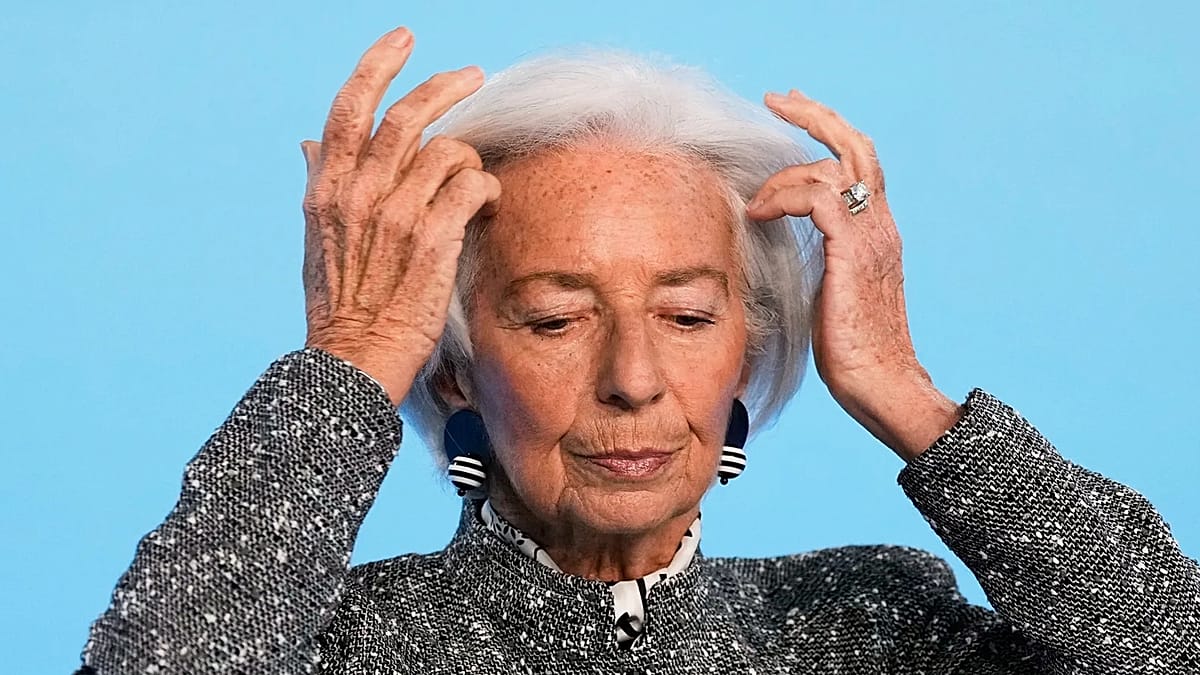
ECB rate decision looming: A Reuters poll published this week found that just over half of economists expect the ECB to hold its deposit rate at its April 30 meeting, but then hike in June to prevent war-fuelled energy prices from entrenching inflation. ECB President Christine Lagarde warned that the "stop-start nature" of the Iran war is making the economic outlook harder to assess, adding to investor uncertainty.
-
Inflation and FX pressure: The EUR/USD pair ended a three-week winning streak, settling below the 1.1700 mark as the U.S. dollar strengthened amid Middle East uncertainty. UK CPI accelerated to 3.3% year-on-year in March, driven by higher fuel costs linked to the Iran war, adding to inflation worries across the continent.
-
Earnings outlook muted: Earnings of companies in the STOXX 600 are expected to rise by just 3.2% this season, with the average skewed heavily by energy sector growth forecast at 27%. Excluding energy, the broader European earnings picture remains paltry, reflecting the drag from supply disruption and weak consumer demand.
Earnings & Corporate
-
SAP surges on profit beat: German software giant SAP surged 6% on Friday after reporting a strong profit beat, standing out as one of the few bright spots in an otherwise difficult week for European equities. The result underscored resilience in the European technology sector even as the broader market declined.
-
L'Oréal lifts CAC 40: Shares of L'Oréal posted strong gains on Thursday, helping the CAC 40 briefly outperform its European peers with a 0.3% rise on the day. L'Oréal's results provided a rare uplift to French equities during a week dominated by negative macro sentiment.
-
Novo Nordisk jumps on Lilly data: Novo Nordisk shares jumped on Friday after prescription data related to rival Eli Lilly's weight loss pill emerged, boosting sentiment around the obesity drug sector and providing a relative bright spot for healthcare investors.

Geopolitics & Energy
- EU launches emergency energy measures as crisis deepens: The European Commission set out plans this week to cut electricity taxes and coordinate summer gas storage refilling across member states, as it seeks to cushion the energy fallout from the Iran war. The EU is reportedly spending €28 billion on emergency energy measures while receiving no additional supply, with Energy Commissioner Dan Jørgensen warning that even if the Middle East conflict is resolved, energy prices will not return to pre-war levels for "months or even years."

-
EU adopts 20th Russia sanctions package: The EU formally adopted its 20th package of sanctions against Russia over the war in Ukraine on Thursday, after Slovakia and Hungary dropped their opposition following the resumption of flows through the Druzhba oil pipeline. The move adds to Europe's already complex energy security calculations at a time when the continent is simultaneously grappling with the Iran-related supply shock.
-
Long-term oil demand paradox: While the closure of the Strait of Hormuz continues to destroy near-term oil demand, Reuters analysis suggests the long-term impact of the Iran war could paradoxically boost global oil demand as energy security concerns drive a less efficient, more fragmented global energy system — a risk factor for European import costs for years ahead.

What to Watch Next Week
- ECB April 30 rate decision: The ECB's rate-setting meeting on April 30 is the pivotal event for European markets, with most economists expecting a hold but with a hawkish June hike increasingly priced in given war-driven energy inflation.
- Eurozone PMI and growth data: Flash PMI readings will be scrutinised for evidence of whether eurozone growth is deteriorating further under the weight of energy costs and consumer uncertainty.
- Iran ceasefire developments: Any progress — or breakdown — in U.S.-Iran negotiations will continue to be the dominant driver of oil prices, energy market stability, and broader European equity sentiment.
- STOXX 600 earnings season continues: With sector earnings expected to be heavily skewed by energy outperformance, upcoming reports from non-energy corporates will be watched closely to gauge the true health of European business conditions.
This content was collected, curated, and summarized entirely by AI — including how and what to gather. It may contain inaccuracies. Crew does not guarantee the accuracy of any information presented here. Always verify facts on your own before acting on them. Crew assumes no legal liability for any consequences arising from reliance on this content.
Powered by
