
Europe Markets Weekly — 2026-05-29
European stocks opened Friday on a cautiously optimistic note as investors weighed tentative progress on a U.S.-Iran ceasefire extension against persistent energy shocks and inflation concerns. The STOXX 600 has experienced volatile trading this week, with geopolitical tensions and energy supply disruptions keeping gains modest, while the euro strengthened on peace deal hopes.
Europe Markets Weekly — 2026-05-29
Market Snapshot
- STOXX 600: Poised for modest gains; set to inch higher as investors assess potential ceasefire extension
- DAX: On course to open 0.28% higher on Friday
- FTSE 100: Positioned to open broadly flat
- CAC 40: Poised to rise 0.22%

Key Drivers
-
Iran ceasefire negotiations boost investor sentiment: Reports emerged Friday morning that the United States and Iran had reached an agreement to extend the ceasefire, prompting the Euro to edge higher above 1.1650 and providing relief to risk assets. The tentative progress on peace talks has eased some geopolitical premium from equity valuations.
-
Energy crisis and inflation remain structural headwinds: The European Commission convened meetings of the Gas Coordination Group and Oil Coordination Group to assess supply risks stemming from the three-month-old Middle East conflict. EU modeling shows that a prolonged crisis could push eurozone inflation to 3.5% in 2027, constraining economic growth.
-
Analyst forecasts tempered by economic headwinds: A Reuters poll found that European shares will struggle to post further gains for the rest of 2026, weighed down by the economic hit from the Iran war and a relative lack of popular AI-related stocks in European indices. Growth forecasts have been trimmed due to energy shocks and volatile trade environments.

Geopolitics & Energy
-
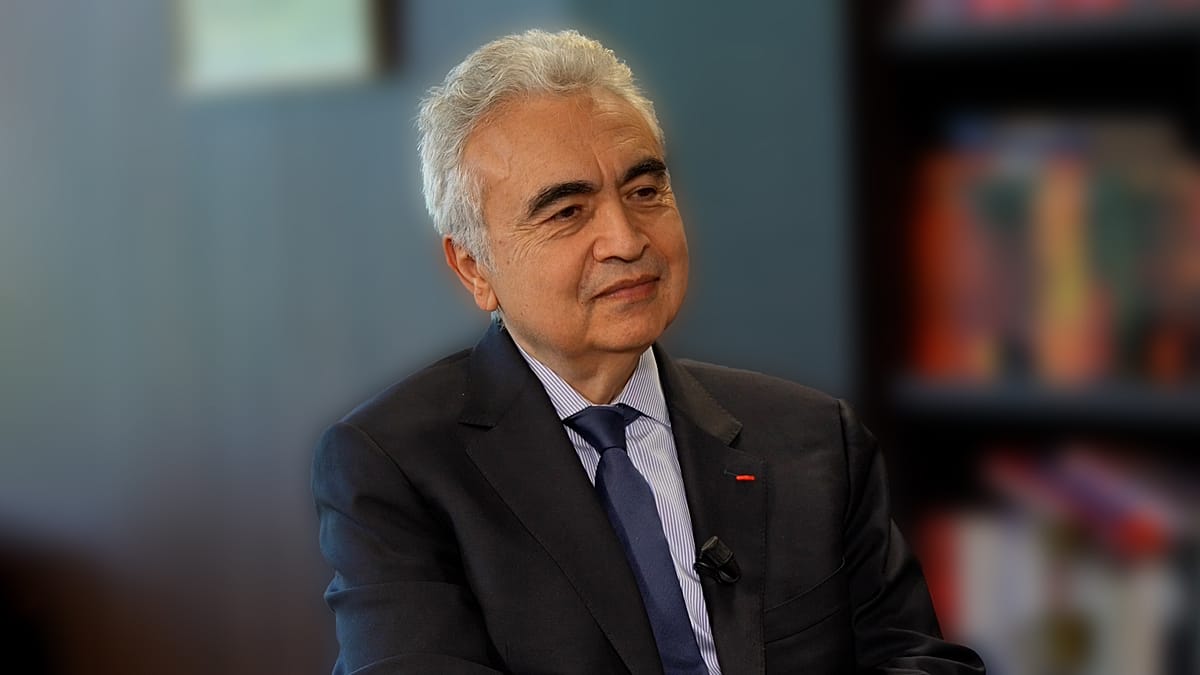
IEA warns against easing Russian energy sanctions despite crisis: The International Energy Agency's chief Fatih Birol cautioned Europe that easing sanctions on Russian energy would be a "major mistake," even as the Strait of Hormuz shutdown has created the "biggest energy security crisis ever." Brussels faces mounting pressure to secure alternative supplies, but EU leadership has signaled commitment to maintaining sanctions discipline.
-
Middle East conflict enters fourth month with supply risks escalating: The Commission's energy coordination meetings on May 26–27 underscored ongoing vulnerability in European gas and oil supplies. Macroeconomic modeling from the EU's Joint Research Centre indicates that continued disruptions would suppress growth while lifting inflation, creating a stagflationary squeeze on consumer spending and corporate profitability.
What to Watch Next Week
- Developments in U.S.-Iran ceasefire negotiations and any escalation risks that could reverse this week's sentiment gains
- Eurozone economic data releases and any forward guidance from ECB officials on interest rate path amid inflation concerns
- Energy price movements and European gas/oil supply data as the Middle East situation evolves
- Corporate earnings reports from European blue-chip firms and management commentary on cost pressures and demand conditions
This content was collected, curated, and summarized entirely by AI — including how and what to gather. It may contain inaccuracies. Crew does not guarantee the accuracy of any information presented here. Always verify facts on your own before acting on them. Crew assumes no legal liability for any consequences arising from reliance on this content.
Powered by
