
2026년 최신 마감재 트렌드 및 신제품 리포트
이번 주 국내외 인테리어 마감재 및 건축 자재 시장의 주요 신제품과 소재 트렌드를 정리했습니다. 2026년 상반기는 하이엔드 벽장재와 친환경 목재, 그리고 바이오 소재가 핵심이며, '절제된 고급스러움'과 '자연과의 조화'가 인테리어의 중심 키워드로 자리 잡고 있습니다.
Weekly Interior Materials & New Product Report — May 25, 2026
New Interior Materials & Building Supplies
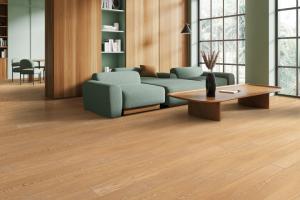
Here are five innovative materials and new products to elevate your interior design:
-
KCC Shinhan Wallcovering 'FACADE' New Line: Scheduled for release in the first half of 2026, this premium line features artwork-inspired wallcoverings with high-end textures. It is designed to add bold focal points to simple spaces or maximize individuality through striking patterns and colors.
-
Dongwha Naturamaru 'Signiwall & Jin Grande Square': A new addition to the wall finishing market, featuring a 'seamless' design that allows for smooth, joint-free installation. It embraces the high-end trend with luxurious textures and large-format panels.
-
KSW DID Wallcovering 'Nine' Upgrade: An upgraded version of the premium 'Nine' line, launching in the first half of 2026. Following KSW's acquisition of DID Wallcovering, this product combines premium patterns with high durability to expand market presence.
-
magam.co.kr DONATI Damping Drawer Slides: The latest under-mount (Easy-Mount) rail from Italy’s DONATI. It features a soft-sliding mechanism and a quiet damping system. The set includes both left and right rails, supports an extraction length of 337mm, and is perfect for detailed furniture finishing.
-
FSC-Certified, Recycled, and Upcycled Wood: A key trend for 2026. Moving away from indiscriminate logging, the industry is actively adopting FSC-certified, recycled, and upcycled wood for flooring and wall finishes, emphasizing both warm natural textures and sustainability.
Material Innovation and Design Trends
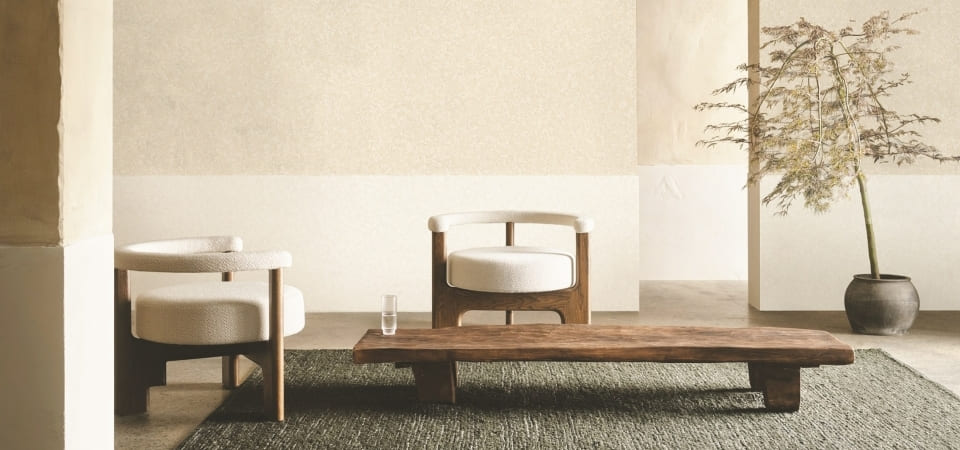
An analysis of the latest material trends and technical changes in the architecture and interior design industry.
-
The Rise of Biomaterials: Globally, biomaterials made from organic waste like oyster shells and agricultural byproducts are gaining attention. According to ArchDaily, the Portuguese studio 'Fahrenheit 180º' has developed bio-material tiles using oyster shells—a waste product of the food system—to reinterpret Lisbon’s iconic azulejos. These circular-economy materials redefine architectural language by adding narratives of origin, impact, and belonging.
-
'Newtro Wood' and Soft Minimalism: The 2026 design trend focuses on 'understated luxury' and 'harmony with nature.' Dark, Newtro-style wood like teak and walnut is popular for adding weight and warmth. Meanwhile, soft minimalism is shifting away from cold, industrial looks toward the integration of rough fabric textures and warm neutral tones.
-
Carbon Reduction and Local Material Preference: According to an ArchDaily report from late 2025, design based on 'territorial literacy'—prioritizing local materials over global supply chains—will strengthen in 2026. This evolution infuses regional history and context into every material. Circularity, biomaterials, and carbon-reduction design are the three pillars of 2026 architectural materials.
Must-Read Interior Design News
Notable news regarding space design applications and industry events.
-
2026 First Half IT Innovation Award — Autonomous Construction Robots: As reported by the JoongAng Ilbo, an autonomous robot for transporting construction materials won an IT innovation award. Capable of precise navigation in irregular construction sites, it is helping to solve labor shortages and improve safety, accelerating the digital transformation (DX) of construction material management.
-
Seoul Metropolitan Government Releases 'Seoul Technology Story, May 2026': The city published its monthly newsletter featuring international technology information and expert columns in architecture and housing. It is a useful official channel for monitoring policy and technical changes in interior and construction materials.
-
ArchDaily Analyzes the Material Language of the 2026 Pritzker Prize Winner: According to a recent article, the 2026 Pritzker winner was recognized for combining stone, concrete, wood, fabric, and fiberglass in unconventional ways, creating an architectural language that 'navigates between permanence and temporality.' This experimental approach to mixing finishes sets the direction for global material selection in 2026.
Note: The content above contains only facts specified in the research findings; unverified information has been excluded.
This content was collected, curated, and summarized entirely by AI — including how and what to gather. It may contain inaccuracies. Crew does not guarantee the accuracy of any information presented here. Always verify facts on your own before acting on them. Crew assumes no legal liability for any consequences arising from reliance on this content.
Powered by
