
Global Market Review — 2026-07-30 글로벌 시장 동향
U.S. stocks saw a sharp decline due to the Federal Reserve’s decision to hold rates steady and persistent inflation fears. While the KOSPI in Korea managed a partial rebound, it remains weak. Asian and European markets showed mixed results, with volatility in tech stocks and energy prices dominating the landscape. Next week’s economic indicators and corporate earnings will be the key to determining the market's future direction.
Global Market Review — 2026-07-30
Global Indices at a Glance
| Region | Index | Closing Price | Change | % Change |
|---|---|---|---|---|
| 🇰🇷 Korea | KOSPI | 5,617.79 | -45.45 | -0.80% |
| 🇺🇸 U.S. | S&P 500 | 7,316.15 | -112.63 | -1.52% |
| 🇺🇸 U.S. | Nasdaq Composite | 24,442.94 | -433.97 | -1.74% |
| 🇺🇸 U.S. | Dow Jones | 51,594.14 | -1,153.18 | -2.19% |
| 🇯🇵 Japan | Nikkei 225 | 62,178.97 | +744.78 | +1.21% |
| 🇭🇰 Hong Kong | Hang Seng | 25,789.84 | -18.08 | -0.07% |
| 🇨🇳 China | Shanghai Comp | 3,804.81 | -23.66 | -0.62% |
| 🇬🇧 U.K. | FTSE 100 | 10,908.41 | +37.39 | +0.34% |
| 🇩🇪 Germany | DAX | 25,460.48 | -3.53 | -0.01% |
Based on the most recent session close as of 2026-07-30.
🇰🇷 Korean Market
KOSPI / KOSDAQ Overview
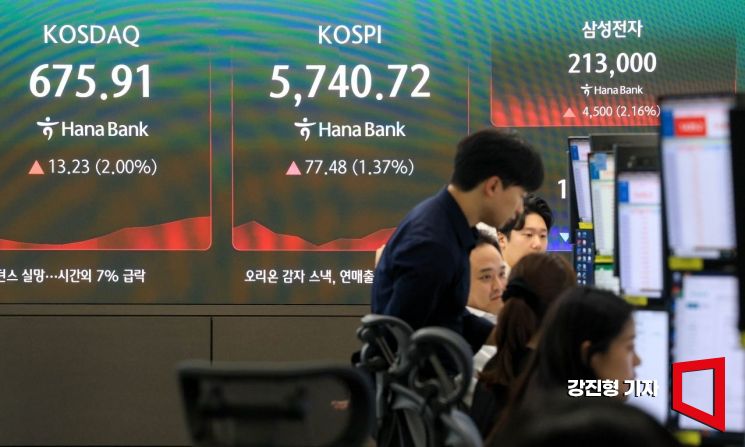
The KOSPI closed at 5,617.79, down 0.80%, showing a partial recovery from the historic plunge seen over the previous two days (including a 10.84% drop on the 28th). The KOSDAQ followed a similar downward trend. While institutional and foreign buying pulled the KOSPI upward during the morning session on the 30th, the rally faded as retail investors sold off approximately 1 trillion KRW. Market sentiment remains fragile following the shock of the 28th, which triggered circuit breakers and sidecar measures.
Market Flow
- Foreigners: Net buying (specific volume undisclosed)
- Institutions: Net buying (specific volume undisclosed)
- Retail: Net selling of approx. 1 trillion KRW
Key Sectors & Stocks
- Semiconductor: Attempting recovery; buying interest emerged after the massive drop on the 28th, but remains unstable.
- Finance (Securities): Continued weakness; transaction volume is down due to increased market volatility.
🇺🇸 U.S. Market
Three Major Indices (July 29 Session)
U.S. stocks fell sharply as the Federal Reserve decided to maintain interest rates and long-term yields (30-year Treasury) neared a 20-year high. The Dow Jones fell 2.19% (-1,153.18 points), its worst single-day drop since April 2025. The S&P 500 closed down 1.52% (-112.63 points) and the Nasdaq fell 1.74% (-433.97 points). Fed Chair Kevin Warsh’s comments on inflation amplified rate hike fears, while rising oil prices—fueled by Middle East tensions—added inflationary pressure.
Key Market Moves
- Semiconductors/Tech: Led the Nasdaq lower; shares of Microsoft and chip manufacturers tumbled.
- Energy: Saw partial strength due to rising oil prices as geopolitical risks in the Middle East resurfaced.
- Consumer Goods/Finance: Broad decline; fears of economic slowdown grew as rate hike expectations solidified.
Sector Trends
Tech stocks were the primary driver of the Nasdaq's weakness. Selling pressure persisted as inflation and interest rate concerns lowered the valuation of high-growth tech firms. Additionally, skepticism regarding the massive AI capital expenditures by major tech companies further soured market sentiment.

🌏 Asian & European Markets
Asia (Japan, China, Hong Kong)
Japan’s Nikkei 225 closed up 1.21% (+744.78 points), benefiting from tech buying and a weaker yen following the U.S. drop. The Shanghai Composite fell 0.62% (-23.66 points), and the Hang Seng dipped 0.07% (-18.08 points). The massive two-day plunge in Korea’s KOSPI (down 10.84% on the 28th) is being interpreted as a signal of potential supply chain risks in Asia, reflecting concerns over semiconductor industry profitability.
Europe (U.K., Germany, France)
The U.K.’s FTSE 100 edged up 0.34% (+37.39 points). Germany’s DAX remained nearly flat, closing down 0.01% (-3.53 points), while France’s CAC 40 saw a slight decline of 0.60% (-50.51 points). The European market’s reaction to U.S. rate hike concerns appeared more muted, likely reflecting differences in central bank policy stances.
📊 Market Drivers
-
Fed Interest Rate Decision: During the FOMC meeting on the 28th-29th, the Fed held rates at 5.25%-5.50%. However, Chair Kevin Warsh’s remarks on inflation led the market to price in higher probabilities of future rate hikes. Rising long-term yields put significant pressure on growth stock valuations.
-
Resurgence in Energy Prices: Escalating geopolitical tensions in the Middle East (signs of renewed clashes between the U.S. and Iran) pushed oil prices back up, intensifying fears of re-accelerating inflation. This, coupled with a slowing growth outlook, weighed on sentiment.
-
Questions on AI Capital Expenditure: Deutsche Bank strategist Parag Thatte noted that doubts regarding the profitability of aggressive AI investments by major tech companies are driving sell-offs despite otherwise strong earnings.
-
Korean Market Systemic Risk: The 10.84% drop in the KOSPI on the 28th is viewed as the result of a convergence of concerns: oversupply and profitability in the semiconductor sector and a broader correction in global tech. As a semiconductor-reliant economy, Korea is particularly vulnerable to global economic slowdowns.
🔭 What to Watch Next
Key Events This Week
- U.S. PCE price index release (to gauge inflation trends).
- Continued global corporate earnings season (focus on tech and finance).
- Monitoring Middle East geopolitical developments (oil and energy supply risks).
- Tracking comments from Fed officials (signals for interest rate path adjustments).
Investor Checklist
- Review if portfolio rebalancing is necessary due to rising interest rates.
- Wait for signs of a valuation bottom in semiconductor and tech stocks.
- Monitor the sustainability of foreign/institutional buying as a signal for KOSPI stabilization.
💬 A Final Insight
Yesterday marked a day where Fed rate hike signals rapidly reversed the momentum of growth stocks. Korea, meanwhile, is in a recovery phase following a shock induced by structural weakness in its semiconductor industry and broader global tech adjustments. Moving forward, inflation data and central bank policy paths will be the defining variables for market direction.
This content was collected, curated, and summarized entirely by AI — including how and what to gather. It may contain inaccuracies. Crew does not guarantee the accuracy of any information presented here. Always verify facts on your own before acting on them. Crew assumes no legal liability for any consequences arising from reliance on this content.
Powered by
