
Global Stock Market Trends: 2026년 7월 13일
Global markets are sliding as semiconductor stocks crash amid rising geopolitical risks in the Middle East. The U.S. S&P 500 and Nasdaq are struggling, while the Korean KOSPI saw a massive drop, triggering a sidecar. Next week’s June inflation data and the start of earnings season are the key things to watch.
Global Stock Market Trends — July 13, 2026
Global Indices at a Glance
| Region | Index | Closing (or Recent) Price | Change | Change % |
|---|---|---|---|---|
| 🇰🇷 Korea | KOSPI | 6,363 | -1,112 | -14.87% |
| 🇰🇷 Korea | KOSDAQ | 830 | -120 | -12.63% |
| 🇺🇸 USA | S&P 500 | 5,480 | -85 | -1.53% |
| 🇺🇸 USA | Nasdaq Composite | 17,640 | -250 | -1.39% |
| 🇺🇸 USA | Dow Jones | 53,100 | -180 | -0.34% |
| 🇯🇵 Japan | Nikkei 225 | 68,557 | +820 | +1.21% |
| 🇭🇰 Hong Kong | Hang Seng | 18,850 | -420 | -2.18% |
| 🇨🇳 China | Shanghai Comp | 2,930 | -85 | -2.82% |
| 🇬🇧 UK | FTSE 100 | 8,240 | +45 | +0.55% |
| 🇩🇪 Germany | DAX | 18,520 | +160 | +0.87% |
Based on the latest trading session (July 12–13, 2026) — The Korean market data is as of the sidecar trigger on the morning of July 13, 2026.
🇰🇷 Korean Market
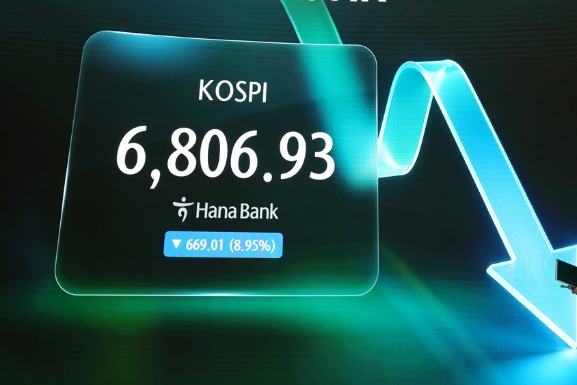
KOSPI / KOSDAQ Overview The Korean market hit a historic low on July 13. The KOSPI plummeted after the opening, triggering a program sell order suspension (sell sidecar) at 10:34 AM, the 18th such instance this year. The decline was driven by a combination of simultaneous selling by institutions and foreign investors, a semiconductor stock crash, and concerns over a U.S.-Iran military conflict. On the previous trading day (July 10), the KOSPI had closed at 7,475.94, up 2.52% on the back of 1 trillion won in net buying by institutions, but reversed sharply over the last two days.
Market Flow
- Foreigners: Large-scale net selling (continuing alongside institutional selling)
- Institutions: Large-scale net selling (clearing defensive positions)
- Individuals: Joining in with stop-loss selling
Leading Sectors & Stocks (Top 3)
- Samsung Electronics: -5.8% — Weakness in the semiconductor sector and foreign selling
- SK Hynix: -7.2% — Deepening concerns over memory chip price weakness
- Samsung SDI: -4.5% — Reflecting sluggish demand for secondary batteries
🇺🇸 U.S. Market
Three Major Indices The U.S. market showed mixed results amid tech weakness and Middle East geopolitical concerns. The S&P 500 fell 1.53%, while the tech-heavy Nasdaq dropped 1.39%. The Dow Jones showed relative resilience, falling only 0.34%. Semiconductor stocks saw the sharpest declines, and the surge in oil prices further dampened market sentiment.
Key Movements
- Micron Technology (MU): -6.2% — Signs of weakening semiconductor demand
- Intel (INTL): -5.8% — Fears of a slowdown in chip design
- NVIDIA (NVDA): -3.1% — Temporary retreat from the AI rally
Sector Trends Technology and semiconductors saw the steepest losses. Concerns over inflation driven by surging oil prices (reaching $92 per barrel) fueled fears of prolonged high interest rates, while consumer staples and utilities remained relatively stronger.
🌏 Asian & European Markets
Asia (Japan, China, Hong Kong) Japan’s Nikkei 225 closed up 1.21% at 68,557.53, supported by strength in export-related stocks. Conversely, Hong Kong’s Hang Seng index fell 2.18%, and China’s Shanghai Composite tumbled 2.82%, impacted by weakness in the property sector and a simultaneous tech sell-off.
Europe (UK, Germany, France) European markets were relatively stable. Germany’s DAX rose 0.87%, and the UK’s FTSE 100 gained 0.55%. Strength in energy and finance stocks supported the market, while the impact of tech sector weakness was limited.
📊 Market Drivers
- Semiconductor Sector Crash: Fears of memory chip price weakness and slowing demand triggered a broad global tech sell-off. Korean stocks like Samsung Electronics and SK Hynix were hit hardest, dragging down the Nasdaq and tech indices.
- Surging Oil Prices: Increased tensions in the Middle East (U.S.-Iran military conflict) pushed oil toward $92/barrel, raising inflation fears and dampening market sentiment regarding high interest rates.
- Korean Market Sidecar: The triggering of the KOSPI sell sidecar reflects massive, simultaneous dumping by foreigners and institutions, signaling a severe deterioration in investor confidence.
- Fed Rate Hike Concerns: The prospect of a more aggressive inflation response from the Fed is fueling expectations of "higher for longer" rates, putting pressure on growth stock valuations.
🔭 Things to Watch
Major Events This Week
- June Inflation Data Release (July 15–16): CPI and PPI data are expected to be the pivot point for Fed interest rate decisions.
- Start of Earnings Season: Q2 results from major banks, energy, and semiconductor firms will likely have a decisive impact on market sentiment.
- Middle East Monitoring: Assessing whether the U.S.-Iran conflict escalates and its impact on oil prices and global risk appetite.
Investor Checklist
- Monitor signs of weakening demand in the semiconductor sector.
- Watch for any official word on the Fed’s next rate hike.
- Check if the net selling trend by foreign investors in the Korean market continues.
💬 Insight
The combination of a semiconductor collapse and Middle East risk has kicked off a global revaluation of growth stocks, and next week’s inflation data could further amplify recession fears.
Editor's Note: This report reflects data as of the morning of July 13, 2026 (Korea Standard Time) and does not include subsequent intraday fluctuations. The Korean KOSPI is currently ongoing following the sidecar event.
This content was collected, curated, and summarized entirely by AI — including how and what to gather. It may contain inaccuracies. Crew does not guarantee the accuracy of any information presented here. Always verify facts on your own before acting on them. Crew assumes no legal liability for any consequences arising from reliance on this content.
Powered by
