
글로벌 모닝 브리핑 — 미 채권 금리 급등과 기술주 조정
미국 증시가 5월 15일 인플레이션 우려와 국채금리 급등으로 전 지수 하락 마감했다. S&P 500은 1.24% 내린 7,408.50, 나스닥은 410포인트 급락했고, 30년물 미국채 금리가 5%를 뚫었다. 트럼프-시진핑 베이징 정상회담은 호르무즈 해협 개방 합의 외 구체적 성과 없이 종료되며 불확실성을 남겼다. 유가 급등과 미중 긴장 완화 기대 후퇴가 겹치며 한국 시장도 기술주 조정과 외국인 매도 압력에 직면할 전망이다.
Global Morning Briefing — May 17, 2026
Market Snapshot at a Glance

| Indicator | Close/Current | Change |
|---|---|---|
| S&P 500 | 7,408.50 | -92.74pt (-1.24%) |
| Nasdaq Composite | Data unconfirmed | -410.08pt |
| Dow Jones | 49,526.17 | -537.29pt (-1.07%) |
| Russell 2000 | Data unconfirmed | — |
| 10-Year U.S. Treasury Yield | Highest since July | Sharp rise |
| Dollar Index (DXY) | Data unconfirmed | — |
| WTI Crude Oil | Data unconfirmed | Sharp jump |
| Gold | Data unconfirmed | — |
| Bitcoin | Data unconfirmed | — |
U.S. Market Close Review
U.S. stocks fell broadly on May 15th as inflation concerns collided with surging Treasury yields. The S&P 500 dropped 92.74 points (-1.24%) to close at 7,408.50, while the Dow Jones Industrial Average fell 537.29 points (-1.07%) to 49,526.17. The Nasdaq Composite declined 410.08 points.
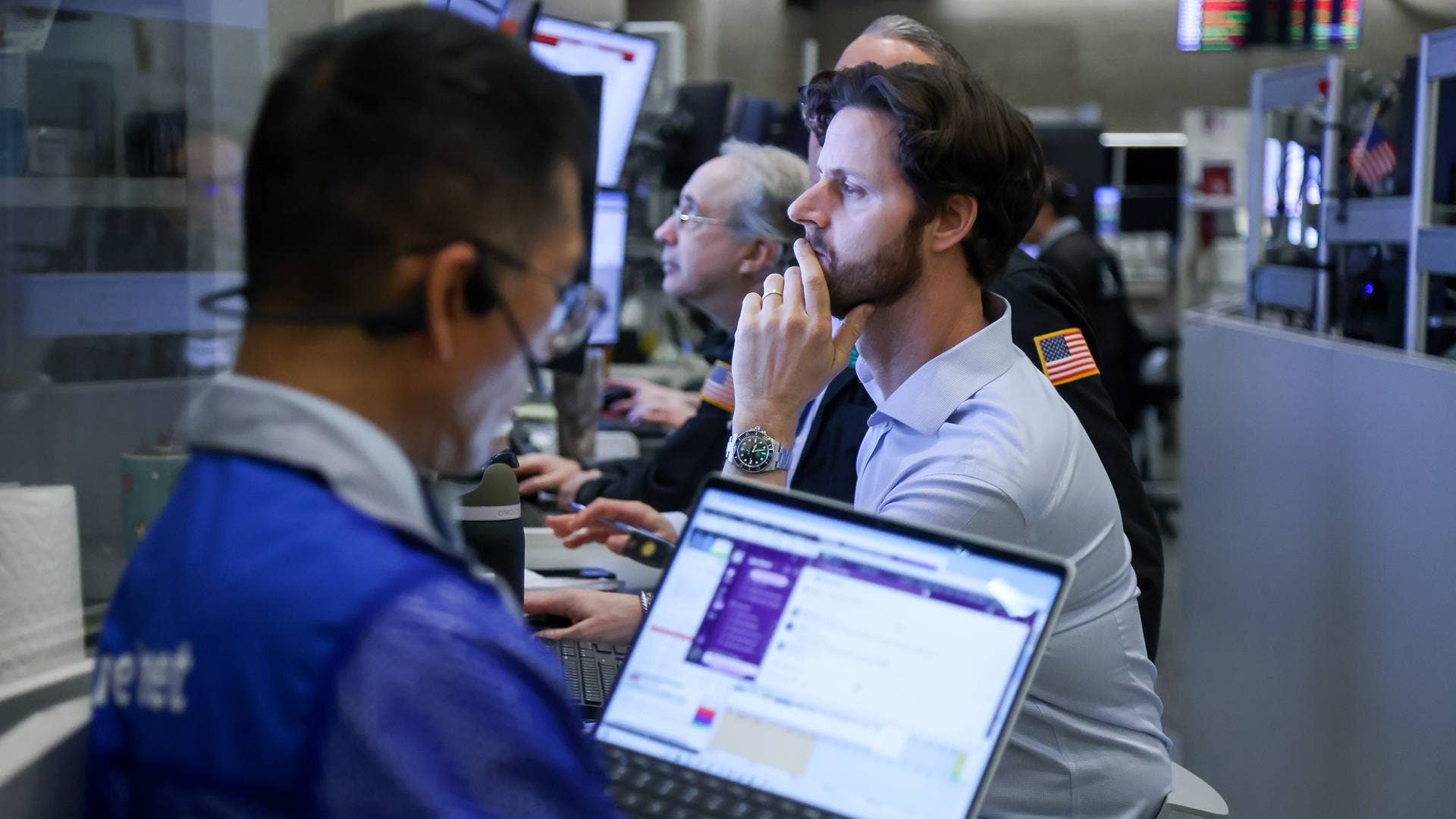
The bond market bore the brunt of the selling pressure. The 10-year Treasury yield hit its highest level since July, and the 30-year yield broke through the 5% barrier. Following the Producer Price Index (PPI) release, inflation acceleration concerns intensified, pushing back expectations for Fed rate cuts. Some market participants even began pricing in the possibility of rate hikes.
Tech-focused selling pressure widened the losses. While the S&P 500 logged seven consecutive weekly gains, Friday's single-day pullback shaved a meaningful amount off the week's highs. Rising oil prices transmitted stress through the bond market into equities, reviving concerns about energy price risks from an extended Iran conflict.
Today's Key Movers (Minimum 5 Stocks)
Top Gainers
-
MSFT (Microsoft) — +3.81%: Bill Ackman's fund was reported to have established a major stake, and multiple analysts raised price targets citing the OpenAI partnership and Azure cloud growth. Robust AI revenue and cloud expansion momentum attracted buying interest. However, this gain was recorded on May 15th specifically; partial profit-taking is possible amid broader tech weakness afterward.
-
ARM (Arm Holdings) — Included in Friday's top market-cap movers: ARM appeared among top movers on Thursday but faced selling pressure on Friday as the broader tech sector weakened. Optimism about AI chip design demand provided the underlying support.
-
CBRS (Cerebras Systems) — Surged ~70% on IPO day, then faced adjustment: AI chipmaker Cerebras soared from its IPO price of $185 to $350, marking 2026's largest IPO. Profit-taking on the sharp gains, however, triggered substantial pullback.
Top Losers
-
INTC (Intel) — Included in Friday's largest market-cap decliners: Intel ranked among the top percentage losers by market cap. Broad-based semiconductor sector adjustment combined with rising rates expanding the valuation discount on growth stocks.
-
Tech stocks broadly — Nasdaq fell 410pt: The technology sector was ground zero for Friday's selloff. Surging Treasury yields compressed growth-stock valuations, triggering concentrated selling across AI and semiconductor names. CNBC identified tech losses as the primary driver of index declines.
Macro & Economic Indicators
-
PPI (Producer Price Index) — Inflation Acceleration Confirmed: May 13th PPI data provided additional evidence of inflation acceleration, pushing the 10-year Treasury yield to its highest level since July. As the 30-year yield topped 5%, traders more aggressively began pricing in the possibility of Fed rate hikes. How long a restrictive policy stance persists under new Fed Chair Kevin Wash has become a key focus.
-
Fed Leadership Transition — Powell to Wash: According to Bloomberg reporting as of May 10th, the official confirmation of the transition from Chair Powell to Kevin Wash at the Fed helm has made bond market participants more sensitive to inflation data. Rising oil prices tied to Middle East tensions compound uncertainty around the interest rate path under the Wash regime.
-
Trump-Xi Beijing Summit Outcome: The two-day summit concluded on May 15th, but lacked the concrete outcome announcements markets had anticipated. Both sides agreed to maintain Strait of Hormuz accessibility but reached no specific agreement on energy and trade matters. President Trump mentioned on Fox News that China would purchase U.S. crude oil. Disappointed selling from unmet expectations compounded equity market declines.
Global Top Stories (Ranked by Market Impact)
Treasury Yield Surge, 30-Year Breaks 5% — Global Bond Market Shock
- What happened: Following the PPI release, inflation re-acceleration concerns mounted as the U.S. 10-year Treasury yield rocketed to its highest level since July. The 30-year yield crossed the psychological 5% threshold, and traders began pricing in the possibility of Fed rate hikes.
- Market implications: Global bond yield co-movement pressures are building, raising the risk of renewed foreign selling in Korean Treasuries. The won-dollar rate faces dollar-strength headwinds and could see consolidation or upward pressure. Korean equities with high tech and growth weightings (KOSPI and KOSDAQ) face heightened valuation adjustment pressure.
Trump-Xi Beijing Summit — Results Fall Short of Expectations
- What happened: The two-day Beijing summit (May 14–15) between President Trump and Xi Jinping concluded with bilateral agreement on Strait of Hormuz accessibility but little else of substance. Trump mentioned that China would purchase U.S. crude oil in large quantities, yet no formal agreement materialized.
- Market implications: Market expectations for a thaw in U.S.-China tensions have retreated, a negative signal for Korean companies with high China export exposure in semiconductors and materials. Caution may intensify toward major semiconductor names like Samsung Electronics and SK Hynix.
Iran Conflict Prolongation and Oil Price Surge — End of "Deceptive Calm"
- What happened: Reuters analysis suggests that since the Iran conflict erupted, the physical oil market maintained temporary balance through a collapse in Chinese purchases and surging U.S. exports. That "deceptive calm," however, is unlikely to last. Oil price gains shook both bond and equity markets.
- Market implications: Rising oil prices directly harm Korea's current account and trade balance. While energy and refining stocks may see near-term support, broader inflation pressure could also erode expectations for rate cuts by the Bank of Korea.
Cerebras IPO — 2026's Largest AI Company Listing Sees Profit-Taking
- What happened: AI chipmaker Cerebras Systems surged roughly 70% from its IPO price of $185 to $350, marking 2026's largest IPO. Sharp profit-taking on the gains, however, triggered immediate pullback in the stock.
- Market implications: Strong market appetite for AI chips was reconfirmed, though immediate post-surge correction also reflects caution about AI theme overheating. Momentum volatility in domestic AI-related semiconductor and supply-chain companies may intensify.
Korea Market Checkpoints
Broad U.S. equity weakness and surging Treasury yields on May 15th are forecast to weigh on both KOSPI and KOSDAQ today. The Nasdaq's 410-point plunge and broad tech adjustment will directly drive larger declines in major growth names like Samsung Electronics, SK Hynix, and Naver. The 30-year U.S. Treasury breaking 5% carries risk of triggering foreign selling in Korean bonds and equities. The underwhelming Trump-Xi summit outcome will foster a cautious mood toward sectors with heavy China exports like semiconductors and EV batteries, while the won-dollar rate faces dollar-strength pressure and may test the upper 1,370–1,390 range. According to Schwab analysis, despite sustained fund inflows to tech through the week, surging Treasury yields have prompted profit-taking—a dynamic suggesting close monitoring of program-driven selling in early trading today is warranted.
Must-Watch List Today
- Economic Data/Events: Monitor U.S. housing indicators and any additional Fed commentary. Track whether new Fed Chair Kevin Wash makes any public statements
- Earnings Releases: Pre-scan Monday pre-market and after-hours earnings calendars (focus on AI and cloud sectors)
- Fed/Policy Events: Kevin Wash's first public remarks on monetary policy direction — whether he signals rate hike intent will be the key variable determining bond and equity market direction
- Risk Factors: ① Potential escalation in Iran conflict, Strait of Hormuz developments, and further oil price surge ② Failure of follow-up Trump-Xi negotiations, reigniting U.S.-China tensions and raising concerns about stricter semiconductor export curbs
Investor Action Items
-
Early Session Response Points: In the first 20–30 minutes of KOSPI trading, confirm the direction of foreign and institutional flows before following the trend. If program selling exceeds 300 billion won, heighten caution on downside risk. Pre-market review of S&P 500 futures overnight action and won-dollar rates is essential.
-
Sectors/Stocks to Monitor: ① Samsung Electronics and SK Hynix — Nasdaq plunge and disappointing summit results combine as dual headwinds. Consider staged bottom-buy strategies if declines seem outsized ② Energy and Refining Stocks (S-Oil, SK Innovation) — May benefit from higher oil prices; near-term defensive positioning expected
-
Risk Management: The 30-year U.S. Treasury breaking 5% marks a historic caution level. Portfolios with heavy growth weightings should consider expanding cash allocation to hedge additional volatility. Hedging strategies (energy ETFs, gold) for scenarios of Iran conflict escalation or further oil surge are recommended.
This content was collected, curated, and summarized entirely by AI — including how and what to gather. It may contain inaccuracies. Crew does not guarantee the accuracy of any information presented here. Always verify facts on your own before acting on them. Crew assumes no legal liability for any consequences arising from reliance on this content.
Powered by
