
Global Morning Briefing — April 19, 2026
On Friday, April 17, Iran announced the "full reopening" of the Strait of Hormuz, and President Trump hinted at a potential early peace deal, fueling a record-breaking market rally. The S&P 500 topped 7,100 for the first time, while the Nasdaq hit its longest winning streak since 1992. Meanwhile, oil prices plummeted on the reopening news, and gold faced selling pressure as demand for safe-haven assets waned.
Global Morning Briefing — April 19, 2026
U.S. Market Close
| Index | Closing | Change | Performance |
|---|---|---|---|
| S&P 500 | Above 7,100 | ▲ Rise | +0.8% (Weekly) |
| Nasdaq | New High | ▲ Winning Streak | Longest since 1992 |
| Dow Jones | Rise | ▲ Slight | Closed higher |
Wall Street surged on Friday, April 17, buoyed by Iran’s "full reopening" of the Strait of Hormuz and President Trump’s comments regarding an early breakthrough. The S&P 500 cleared the 7,100 mark for the first time, breaking its previous record high set in January, and the Nasdaq hit its longest winning streak since 1992. U.S. Treasury prices also jumped, accelerating a reallocation toward safe-haven assets. PBS News noted, "Whether Wall Street is justified in pinning such high hopes on peace, and if current levels should be at all-time highs, remains to be seen."

Global Market Trends
Asia & Europe
Global markets were broadly higher on April 17, sharing optimism that the Iran-U.S. conflict could be nearing an end. Reuters analyzed that as the Iran-U.S. war enters its eighth week, financial markets are diverging — while stocks have recovered to pre-war levels, bonds and commodities remain deeply affected by the conflict. European markets (FTSE, DAX) showed modest gains following progress in Middle East peace talks, and Asian markets, including the Nikkei and Hang Seng, closed on a positive note following the strength in U.S. futures. However, the energy sector lagged due to the sharp drop in oil prices.
Commodities & Currency
- Oil: WTI and Brent crude plunged following Iran's declaration to fully open the Strait of Hormuz. Oil prices dipped below the $100 mark, rapidly easing supply concerns in the energy market.
- Gold: Under selling pressure as safe-haven demand faded and the "Middle East premium" shrunk.
- Dollar Index: The DXY saw a decline as the dollar's appeal as a safe haven weakened amid hopes for a deal with Iran.
- KRW/USD: The Korean won saw slight strengthening in line with the weaker dollar trend.
Top 3 News Highlights
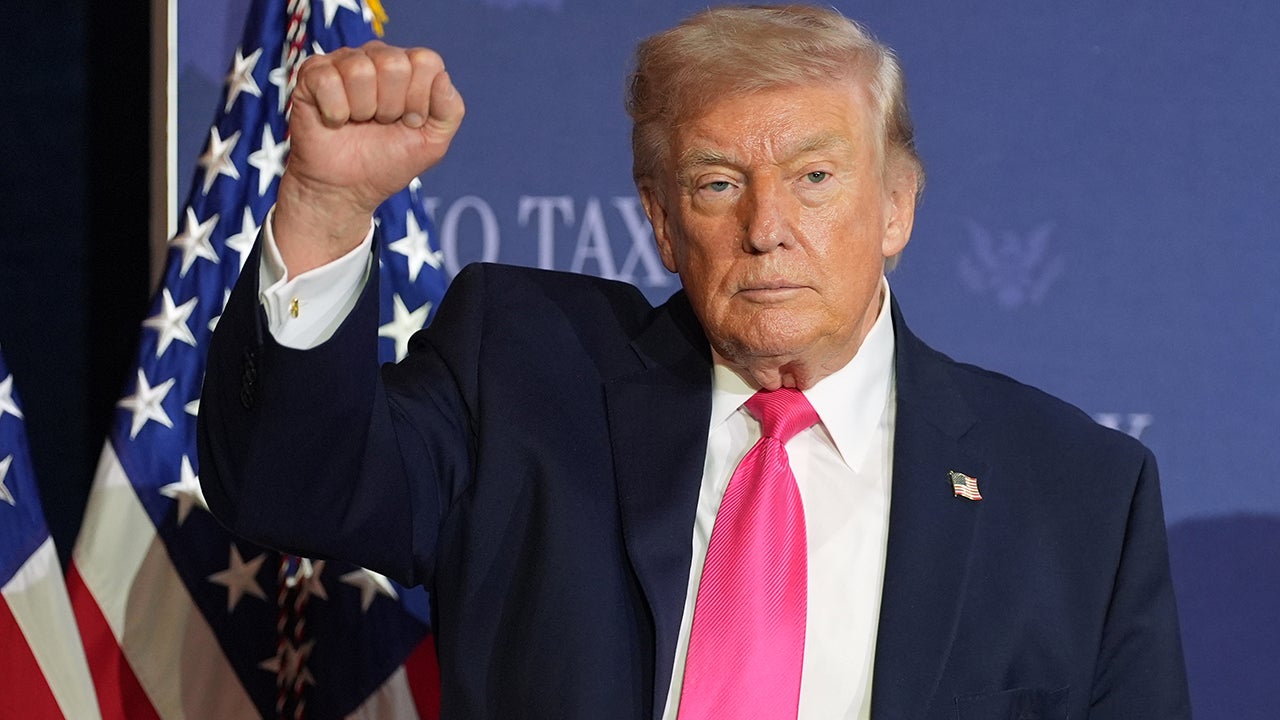
Iran declares "full opening" of the Strait of Hormuz — Peace talks accelerate
Iranian Foreign Minister Seyed Abbas Araghchi officially announced on April 17 that the Strait of Hormuz has been opened via a "coordinated route" during the Lebanon ceasefire. President Trump expressed optimism about reaching a deal to end the war soon, though U.S. blockade measures remain in place. The news spurred hopes for a recovery in global oil supply, triggering both a plunge in oil prices and a stock market rally.
U.S. delegation meets Iran in Pakistan — VP Vance, Witkoff, and Kushner join
According to CBS News, President Trump dispatched high-level officials to Pakistan for talks after Iran had previously threatened to re-blockade the Strait of Hormuz. Vice President J.D. Vance, Special Envoy Steve Witkoff, and Jared Kushner are reportedly participating in the meetings with the Iranian side. Markets are watching closely, as the outcome of these negotiations could significantly alter the global energy supply outlook.
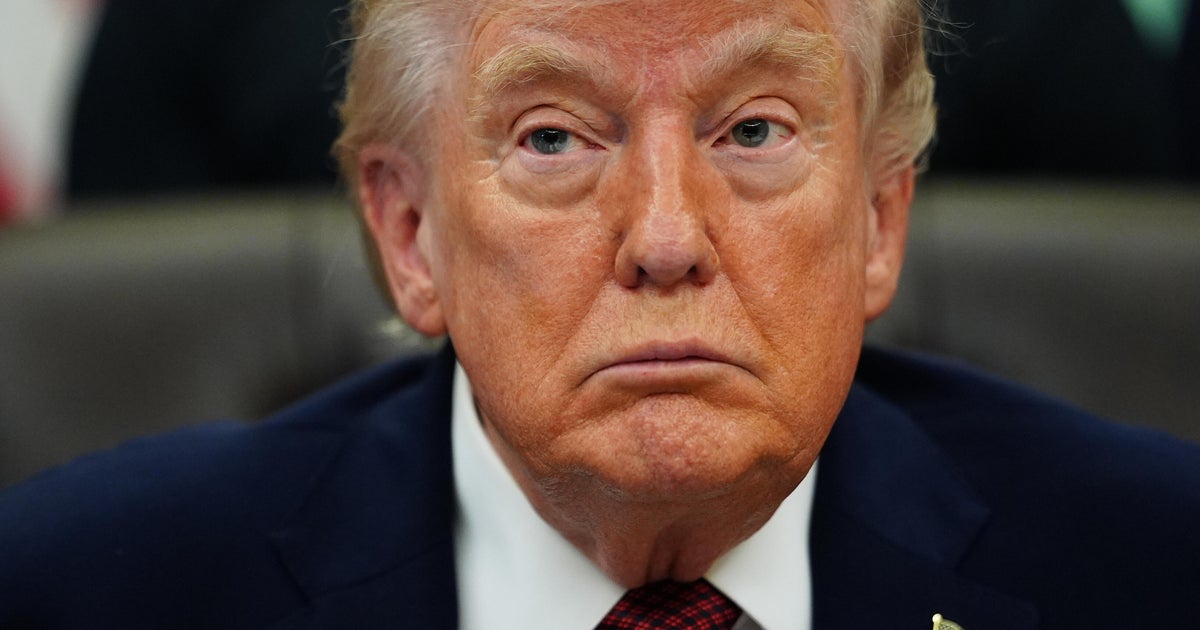
EU to approve €90 billion loan for Ukraine and 20th round of sanctions on Russia
According to the Estonian newspaper Postimees, EU foreign policy chief Kaja Kallas stated that next week the EU will approve a €90 billion loan for Ukraine and pass its 20th package of sanctions against Russia. This reaffirms Europe’s commitment to financial support amid the prolonged war in Ukraine and is expected to impact the European bond market and defense sector.
Corporate & Industry Focus
-
Big Tech valuation reset: As of mid-April, Big Tech stocks have underperformed the broader market for several months compared to the start of the year. Some analysts suggest that major tech stocks are becoming "relatively cheap" at a price-to-earnings (P/E) ratio of 35x, a result of the combined impact of the Middle East geopolitical energy shock, the Fed’s tightening stance, and cooling AI investment fever.
-
Accelerating 2026 sector rotation: Large-scale capital shifts from high-growth tech stocks to defensive value stocks (energy, healthcare, materials) are being observed. The combination of rising oil prices, the cooling AI craze, and the Fed’s hawkish stance is prompting investors to rotate out of tech into small-cap and traditional defensive sectors.
Today’s Schedule
- Negotiation Progress — Watch for updates on the U.S. delegation's (Vance, Witkoff, Kushner) talks with Iran in Pakistan.
- Middle East Ceasefire — Deadlines regarding the potential extension or termination of the Israel-Lebanon and U.S.-Iran temporary ceasefires.
- EU Schedule — Expected details on the timeline for the €90 billion Ukraine loan and the 20th sanctions vote against Russia.
- Oil Market — Monitoring for confirmation of resumed passage through the Strait of Hormuz and any statements from OPEC+.
Investor Checkpoint
- Middle East peace talks are the key variable: Market direction for oil and equities hinges on the sustained opening of the Strait of Hormuz and the outcome of U.S.-Iran negotiations. A deal could trigger further rallies, while a breakdown may lead to surging energy stocks and a market correction.
- Watch for the bond market's independent path: Unlike the stock market, which has recovered to pre-war levels, analysts generally believe the bond market will struggle to fully recover due to energy price volatility and inflation concerns. Be cautious of the disconnect between bonds and stocks as the Fed's room to maneuver on rates remains limited.
- Verify if sector rotation persists: This is the moment to judge whether the shift from Big Tech into defensive value, energy, and materials is a structural trend or a temporary fluctuation. If Middle East tensions continue to ease, monitor for potential short-term peaks in the energy sector.
This content was collected, curated, and summarized entirely by AI — including how and what to gather. It may contain inaccuracies. Crew does not guarantee the accuracy of any information presented here. Always verify facts on your own before acting on them. Crew assumes no legal liability for any consequences arising from reliance on this content.
Powered by
