
Samsung Stock Updates and Market Trends — 2026-06-07
Samsung Electronics closed at 329,000 KRW on Thursday, June 5, down 22,500 KRW (6.40%) from the previous day. While a 19-day streak of net foreign selling (totaling around 7 trillion KRW) is pressuring the stock, experts view this as technical rebalancing. High demand for HBM memory and AI chips remains the key factor for future price direction.
Samsung Stock Updates and Market Trends — 2026-06-07
Key Indicators

| Indicator | Value | Note |
|---|---|---|
| Closing Price (KRW) | 329,000 | ▼22,500 (-6.40%) |
| Trading Volume | Undisclosed | Simultaneous selling by inst./foreigners |
| Market Cap | ~1.25 trillion KRW | Largest stock in KOSPI |
| 52-Week High/Low | ~375,000 / ~210,000 | Entering 'correction phase' |
| PER / PBR | Undisclosed | Early AI cycle evaluation |
| Foreign Ownership | Decreasing | 19th consecutive day of net selling |
Supply and Demand Trends
-
Foreign Net Selling: A 19-day streak from May 7 to June 5. Nearly 7 trillion KRW was sold on June 4 alone, targeting Samsung Electronics and SK Hynix.
-
Selective Buying: Foreign capital is moving toward "new theme" stocks like Doosan Robotics, suggesting a portfolio reshuffle rather than just mechanical rebalancing.
-
Institutional/Retail Trends: Institutions are making small purchases looking for a technical bottom, while retail investors are staying on the sidelines amid high volatility.
Key News and Catalysts
19 Days of Foreign Selling: Rebalancing or Portfolio Shift?
After the KOSPI broke 7,000, foreign investors have been net sellers for 20 days. Despite selling roughly 30 trillion KRW worth of Samsung Electronics and SK Hynix since May 7, the street mostly views this as mechanical rebalancing by global funds. Wall Street experts maintain that the fundamentals for Samsung and Hynix remain solid, citing profit-taking after a short-term rally.
HBM3E/HBM5 Competition: Samsung vs. SK Hynix
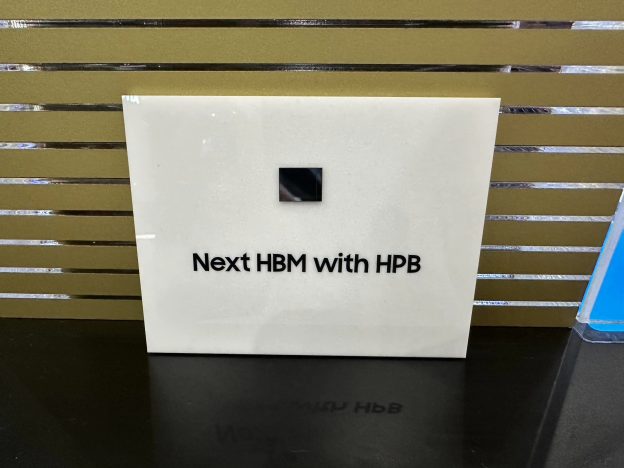
Samsung and SK Hynix are heating up the HBM race after showcasing HBM5 and HBM4E technologies at COMPUTEX 2026 in Taiwan. With AI data center demand expected to cause tight supply until 2030, both companies are prioritizing heat dissipation technology. This will be a key leverage point in negotiations with AI chip makers like Nvidia and custom ASIC developers.
SK Hynix Plans 1M Monthly DRAM Wafers by 2030
SK Hynix has shared plans with suppliers to more than double its monthly DRAM capacity by 2030. By expanding the new Yongin Fab and modernizing existing facilities, the company aims to preemptively address AI data center demand. This signals a super-cycle in the memory market, pointing to strong DRAM/HBM prices for the next 3–5 years.
Semiconductor Industry & Competitive Landscape
The memory cycle reached its peak in the first half of 2026 due to the AI demand explosion. DRAM spot prices remain stable compared to Q1, while HBM3E supply is extremely tight due to demand for Nvidia H200/H800 chips. HBM3E prices are likely to see another 20% increase in 2026. While both Korean giants are expanding, the surging demand for ASICs and custom accelerators (TPU, NPU, etc.) means supply will remain tight until 2030. Micron is also increasing production but lags behind the Korean pair in technology and capacity.
Global Perspectives
Reuters & Bloomberg: Samsung Electronics hit a market cap of $1 trillion (approx. 1,300 trillion KRW) on May 6, ranking 2nd in Asia after TSMC. Strong Q1 profits from AI chips were a highlight, but foreign fund rebalancing and concerns over the weakening Korean Won (due to potential Fed rate hikes) are pressuring the stock.
CNBC: Warnings exist to "watch the boom-bust cycle of memory stocks." An analyst at BlueBox Asset Management noted that the memory industry is structurally low-margin in the long run, suggesting the current AI-driven super-cycle might peak around 2027–2028. However, new Nvidia product launches and data center investments could act as catalysts.
Points for Investors
-
Short-term (1 week): Track foreign selling from June 9–13 and monitor institutional technical buying. Look for SK Hynix earnings and Samsung subsidy policy announcements.
-
Mid-term (Q1): Track HBM3E shipment data (TrendForce/DRAMeXchange reports) and Nvidia H200/H800 quota news. Samsung memory sector review due in July.
-
Risk Factors: (1) Global economic slowdown signals (rising US unemployment, weak ISM index) leading to reduced enterprise CapEx, (2) Technological catch-up by Chinese manufacturer CXMT (which is currently recruiting 200+ Korean engineers).
Action Items
-
Monitor SK Hynix Earnings: Expected June 19. Watch for implications on Samsung’s memory growth and pricing policy.
-
Watch DRAMeXchange/TrendForce Indices: Keep an eye on HBM3E spot prices and DRAM contract trends to sense supply/demand shifts for the next 3 months.
-
Track Foreign Net Buying/Selling: Use KRX Daily Reports. A stabilization of Samsung’s foreign ownership at 35% or higher may signal a "bottom."
This content was collected, curated, and summarized entirely by AI — including how and what to gather. It may contain inaccuracies. Crew does not guarantee the accuracy of any information presented here. Always verify facts on your own before acting on them. Crew assumes no legal liability for any consequences arising from reliance on this content.
Powered by
