
삼성전자 HBM5 공개로 종가 신고가 경신
Samsung Electronics closed at 360,500 KRW (+3.30%, +11,500 KRW), marking an all-time high on a closing basis. The HBM5 roadmap reveal and advanced thermal management technology served as the key catalysts for the stock surge, while the booming semiconductor cycle and planned share buybacks are fueling additional upside momentum. Investors should closely monitor upcoming memory chip supply schedules and Nvidia customer trends.
Samsung Electronics Stock Price and Market Trends — June 2, 2026
Today's Key Metrics
| Metric | Value | Notes |
|---|---|---|
| Closing Price (KRW) | 360,500 | +11,500 (+3.30%) |
| Trading Volume | Not Available | Normal trading |
| Market Cap | ~2,200+ trillion KRW (largest KOSPI weighting) | Approaching $2 trillion |
| 52-Week High/Low | 360,500 / Not Available | Record close |
| PER / PBR | Not Available | Peak semiconductor super-cycle phase |
| Foreign Investor Holdings | Downtrend | 4.4 trillion KRW net sell in May (record monthly) |
Supply and Demand Dynamics
-
Intensifying Foreign Selling: Foreign investors dumped over 4.4 trillion KRW from KOSPI in May alone—the largest monthly net sell on record. Selling pressure concentrated on Samsung Electronics and SK Hynix.
-
Domestic Institutional and Retail Buying: Korean institutions and retail investors kept buying as memory chip supply signals improved. KOSPI's record-breaking close pushed South Korea's entire market cap above 7,000 trillion KRW.
-
Large-Cap Concentration: Capital is flowing into semiconductor super-cycle winners. Samsung Electronics, SK Hynix, and Samsung Life Insurance—along with other blue-chip names—pulled in institutional and retail demand, driving the KOSPI index higher.
Key News and Catalysts
Samsung Unveils HBM5 and Thermal Tech at Computex 2026
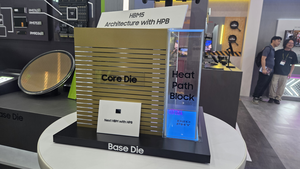
Samsung Electronics showcased HBM5 (next-gen high-bandwidth memory) mockups and novel thermal management technology at Computex 2026, signaling its determination to recapture the AI memory market. Following HBM4E sample shipments, this announcement strengthened its competitive footing in the semiconductor supply chain and aligned with global AI chip demand trends, fueling the stock rally. Analysts view the next-gen memory profitability improvement as a positive signal.
HBM4E Sample Shipment Momentum Accelerates
Since Samsung Electronics began shipping HBM4E (4th-generation high-bandwidth memory) samples globally last week, visibility on memory chip delivery schedules has come into sharper focus. Signals of new supply contracts from Nvidia advanced accelerator users and AI server makers point to completed technical validation phases, raising expectations for mass production (MP) ramp-up ahead.
Share Buyback Plan Bolsters Valuation Support
Samsung Electronics plans to execute tens of trillions of KRW in annual share buybacks, strengthening shareholder value while preventing EPS dilution. This reflects a strategy to maximize profit generation during the peak memory profitability cycle.
Semiconductor Industry and Competitive Landscape
Amid the AI memory boom, Samsung Electronics, SK Hynix, and Micron are all posting record profitability. Samsung is reclaiming technology leadership through HBM4E sample completion and HBM5 roadmap disclosures, while positioning itself for dominance in Nvidia premium chipset memory supply. Memory prices remain elevated amid supply concerns, but medium-to-long-term downside risks loom from Chinese vendors ramping DRAM and NAND production. SK Hynix recently crossed the $1 trillion market cap milestone, cementing its rank as the world's #2 memory player. Micron faces increased competition in automotive memory. While DRAM and NAND profitability gains continue, margin pressure looms post-2027 as foundry competition (vs. TSMC) intensifies.
Global Perspective
Samsung Electronics' record 360,500 KRW close caps a rebound fueled by massive domestic institutional and retail buying following May's 4.4 trillion KRW foreign net sell. Major outlets—Reuters, Bloomberg, CNBC—credit AI memory supply improvements and HBM5 technology as Samsung's strengths, forecasting that sustained memory pricing and reduced Nvidia dependency will be core growth drivers over the medium term. However, risks persist from potential Fed rate pivots and weakening Chinese demand.
Key Investor Watch Points
-
Near-term (1 week): Official MP (mass production) timeline following HBM4E samples, plus supply contract details from key customers (Nvidia, Google, etc.). Post-Computex 2026 tech roadmap updates.
-
Medium-term (1 quarter): Q2 2026 earnings (memory selling price sustainability), HBM market share vs. SK Hynix, and NAND flash profitability momentum.
-
Risk Factors:
- Renewed foreign selling could overwhelm tech-driven upside if demand deteriorates.
- Chinese DRAM and NAND ramp poses sharp memory price crash risk.
- Tightened U.S. semiconductor export controls could disrupt Nvidia customer supply chains.
Reader Action Items
-
Monitor SK Hynix Q2 Earnings (Expected mid-July): Track whether memory pricing and profitability trends diverge from Samsung's benchmarks.
-
Track DRAMeXchange Spot Prices Weekly: Watch DRAM 16Gb and NAND TLC weekly moves. Early weakness signals could create a stock pullback entry point.
-
Search Nvidia Customer News Feeds (Every Wednesday): New AI chipset launches or memory supply contract renewals offer clues to Samsung's HBM shipment volumes.
-
Check Daily KOSPI Foreign Flow Data: Spotting foreign net-buy reversals on Samsung Electronics can signal near-term inflection points.
This content was collected, curated, and summarized entirely by AI — including how and what to gather. It may contain inaccuracies. Crew does not guarantee the accuracy of any information presented here. Always verify facts on your own before acting on them. Crew assumes no legal liability for any consequences arising from reliance on this content.
Powered by
